

I remember sitting in a drafty community hall back in the nineties, watching a well-meaning neighbour try to explain why a new playground was needed. He had a heart of gold, but he spent ten minutes rambling about the local children’s smiles instead of addressing the zoning constraints the councillors actually cared about. It was painful to watch, mostly because I knew that if you don’t know how to speak at a planning committee, you might as well be shouting into a gale. You don’t need a professional lobbyist or a degree in urban design to be heard; you just need to stop treating the meeting like a grievance session and start treating it like a business transaction.
I’ve spent thirty-one years in local government, and I’ve seen more good projects die in a single afternoon because of poor phrasing than I have because of lack of funding. In this guide, I’m going to strip away the jargon and show you exactly how to make your case with clarity and precision. I won’t give you any fluff about “finding your voice”—I’m going to give you the practical tools to ensure that when you stand up to speak, the committee actually listens.
Six People One Bank Account and How to Speak at a Planning Committee

Now, you might think that having a small group and a bit of community funding is enough to get things moving, but the real hurdle is often the formal gatekeepers. When you finally get your chance at presenting to local government, you aren’t just talking to neighbors anymore; you are standing before officials who operate on strict schedules and rigid rules. I’ve seen many a well-meaning group lose their momentum simply because they arrived at the podium without a clear plan, rambling until the clerk had to cut them off.
The secret is to treat your three minutes like a precious resource. You need to focus on structuring a formal presentation that gets straight to the point: what is the change, why does it matter to the street, and how does it align with their existing policies? Don’t get bogged down in the history of the neighborhood unless it directly supports your case. If you can master managing speaking time constraints by sticking to three clear, evidence-based points, you’ll find the committee is much more likely to actually listen to what you have to say.
Mastering Public Comment Protocols to Claim Your Seat at the Table
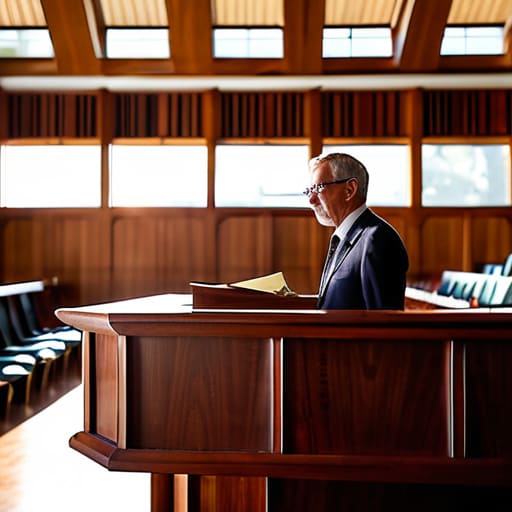
When you finally get your moment to stand up, don’t let the room intimidate you. I’ve sat through hundreds of these sessions during my time in local government, and I can tell you that most people fail not because their idea is bad, but because they don’t respect the unspoken rhythm of the room. You need to understand the specific public comment protocols of your council before you even pick up your notes. Every municipality has its own peculiar way of doing things—some want you to stick to a strict three-minute timer, while others prefer a more conversational flow. If you ignore these little rules, you aren’t just being difficult; you’re making it harder for the committee to actually listen to your message.
The secret to managing speaking time constraints is to treat your presentation like a well-structured minute from a parish meeting: get straight to the point. I always tell my neighbors to lead with the impact, not the history. Don’t spend four minutes explaining how long you’ve lived on the street; spend those minutes explaining exactly how the proposed development affects the pavement or the drainage. If you can deliver a clear, concise argument within the allotted window, you’ll earn the respect of the planners.
Effective Advocacy Techniques for Moving the Needle on Your Street
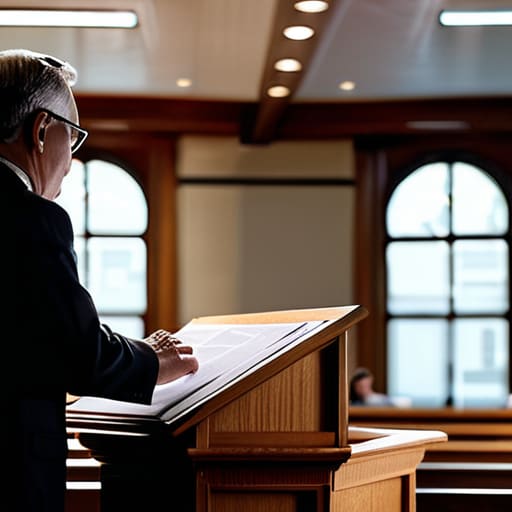
When you finally get your turn to stand at that lectern, don’t just vent about the traffic or the noise. I’ve sat through enough of these sessions to know that passion without a plan is just noise to a councillor. You need to focus on structuring a formal presentation that speaks their language—which is usually a mix of policy, safety, and long-term community impact. Instead of saying “we hate this development,” try “this proposal conflicts with the existing neighborhood character outlined in the 2018 local plan.” It’s harder for them to dismiss a fact than a feeling.
Time is your greatest enemy in these rooms. You’ll often find yourself managing speaking time constraints that feel far too tight for the weight of what you want to say. My advice? Pick your three strongest points and stick to them like glue. If you have ten minutes, plan for seven. Leave that extra breathing room for the inevitable pause or the need to clarify a point. If you rush through a list of grievances, you’ll leave the room feeling unheard, and more importantly, you’ll leave the committee with nothing to actually act upon.
Structuring a Formal Presentation That Commands the Room
When you finally stand up, don’t just wander through your notes like you’re reading a grocery list. I’ve sat through hundreds of these sessions in my time at the council, and the difference between a group that gets heard and one that gets ignored is how they lay out their case. You need to start with the “what” and the “why” immediately. Don’t bury the lead in a long history of the neighbourhood; instead, state clearly what you want and why it matters to the people living there. Structuring a formal presentation isn’t about being fancy; it’s about being logical so the committee can follow your thread without getting lost in the weeds.
The middle of your talk should be your evidence, but you must be mindful of managing speaking time constraints. If you have five minutes, don’t spend four of them on introductions. Get straight to your three strongest points—perhaps a safety concern, a green space need, or a traffic issue—and back them up with a single, clear fact or a brief anecdote. If you rush or ramble, you lose the room. Keep your points sharp, your tone steady, and always leave them with a clear, actionable request.
Navigating Planning Commission Meeting Etiquette Without Losing Your Cool
Now, I’ve sat on both sides of those heavy oak tables, and if there is one thing I’ve learned from thirty years in local government, it’s that tempers flare the moment someone feels unheard. You might walk into that room feeling like the weight of the whole neighbourhood is on your shoulders, but if you start the session by attacking the councillors, you’ve lost them before you’ve even opened your folder. Proper planning commission meeting etiquette isn’t about being subservient; it’s about being unshakeable. If a neighbour starts shouting or a committee member cuts you off, take a breath. I always keep a small notepad handy to jot down their points—not to argue, but to show I’m actually listening.
The real trick to managing speaking time constraints without feeling rushed is to treat the clock as your ally, not your enemy. When the clerk signals you have sixty seconds left, don’t try to squeeze in one last grievance. Instead, use that final moment to restate your single most important request. It keeps the focus on the solution rather than the friction.
Managing Speaking Time Constraints to Make Every Second Count
There is nothing quite as heart-sinking as being mid-sentence, pouring your heart out about a local park, only to have the clerk tap their gavel and cut you off. I’ve sat through enough of these sessions to know that the clock is often your fiercest opponent. When you are presenting to local government, you aren’t just fighting for your project; you are fighting against a rigid timer. If you have three minutes, you don’t have three minutes of talking time—you have about two and a half before the pressure to wrap up becomes overwhelming.
The secret is to treat your speech like a well-organized committee meeting: get to the point immediately. Don’t spend your precious seconds on long-winded introductions about how long you’ve lived on the street. Instead, lead with your most vital piece of evidence or your clearest request. I always tell my neighbors that managing speaking time constraints requires a bit of ruthless editing. Write out your main points in bullet form so that if you see the “thirty seconds remaining” sign, you can skip the fluff and land your most important argument before the gavel falls.
Five Little Lessons from Thirty Years in the Council Chamber
- Bring a printed copy of your main points for the committee clerk; I’ve seen too many good ideas vanish simply because someone forgot to leave a paper trail for the minutes.
- Focus your words on the “material considerations”—the planners don’t care if a new building is ugly, but they care deeply if it blocks a neighbor’s light or stresses the local drainage.
- Speak for the street, not just for yourself; when you use “we” instead of “I,” you remind the committee that you aren’t just a lone voice, but a representative of a collective interest.
- Keep your tone steady even when the room feels heated; I always tell my neighbors that if you lose your temper, they stop listening to your facts and start focusing on your volume.
- Always end with a clear, single request—don’t just complain about a problem, tell them exactly what decision you want them to make before the gavel falls.
The Weight of Your Words
Don’t go in there thinking you’re just there to vent about a new fence or a pothole; you are there to provide the evidence that the committee doesn’t have in their folders, turning your neighbourhood’s lived experience into the formal record they can actually use.
Deborah Castellanos
Bringing It All Home
We have covered a lot of ground, from the nerves of stepping up to the microphone to the practicalities of managing your three minutes of speaking time. Remember, it isn’t about being the loudest person in the room or having a degree in urban planning; it is about being prepared, concise, and respectful of the process. You now know how to structure your presentation, how to navigate the formal etiquette of the chamber, and how to ensure your group’s voice isn’t lost in the shuffle. If you keep your points focused and your tone measured, you aren’t just making noise—you are providing the committee with the essential local evidence they need to make a proper decision.
At the end of the day, these meetings can feel intimidating, like a closed shop where nothing ever changes. But I have seen it happen time and again: a small, organised group of neighbours shows up, speaks with clarity, and shifts the entire direction of a development. Don’t let the formal setting daunt you. You are the eyes and ears of your street, and your perspective is a vital part of the democratic fabric. Go in there with your notes in order, your facts straight, and your community behind you. You have the tools now; go and use them.
