
I remember sitting in a drafty church hall back in ’94, watching a committee chair hand out those flimsy, mass-produced “Thank You” certificates to a group of people who had spent the entire weekend scrubbing graffiti off the local playground. The look on Mrs. Higgins’ face wasn’t one of gratitude; it was pure, unadulterated exhaustion. We often fall into the trap of thinking that a shiny piece of cardstock or a generic email is enough, but if you want to learn how to thank volunteers meaningfully, you have to stop treating them like names on a spreadsheet. A certificate doesn’t acknowledge the sore back or the missed Sunday lunch; it’s just paper.
I’ve spent thirty-one years seeing community groups rise and fall, and I can tell you that people don’t leave because the work is hard; they leave because they feel unseen. In this post, I’m going to skip the expensive corporate nonsense and give you the practical, boots-on-the-ground truth. I will show you how to use small, sincere gestures to build a culture where people feel truly valued, ensuring your little committee stays strong enough to actually get things done.
Stop Sending Generic Cards How to Thank Volunteers Meaningfully

I’ve spent three decades watching committees rise and fall, and I can tell you that people don’t leave because the work is hard; they leave because they feel invisible. When we send out those mass-produced, “Dear Volunteer” cards with a pre-printed signature, we aren’t actually thanking them—we are checking a box. If you want real volunteer retention strategies that actually work, you have to move away from the assembly line. Instead of a generic card, try writing a brief, handwritten note that mentions a specific moment. Tell them, “I noticed how you handled that difficult neighbor during the street clean-up, and it made all the difference.”
That level of detail is what makes personalized thank you notes feel like a gift rather than a chore. It shows you were actually paying attention. Sometimes, the best way to celebrate community service isn’t a formal ceremony, but a simple, quiet moment. Grab a coffee with your treasurer or walk the length of the garden with your coordinator. Look them in the eye and tell them exactly how their hands helped fix this street. That connection is the glue that keeps a small group from dissolving.
The Power of Personalized Thank You Notes in Community Building
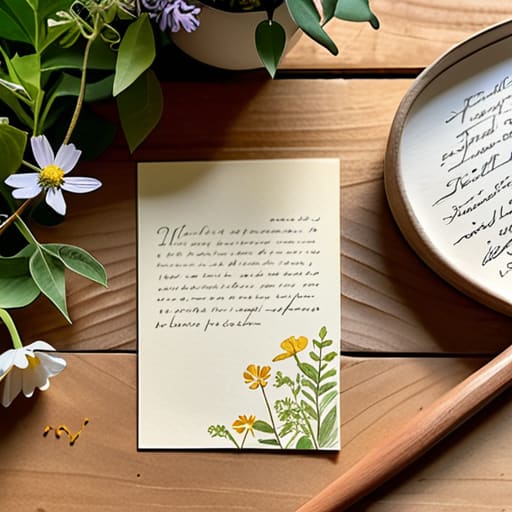
I’ve seen too many good projects fizzle out because the people behind them felt like they were just cogs in a machine. When I was working in regeneration, I noticed that the most successful groups weren’t the ones with the biggest budgets, but the ones that practiced genuine volunteer appreciation ideas. A handwritten note isn’t just about being polite; it’s about proving you were actually paying attention. If Mary spent three hours untangling those thorny rosebushes in the community garden, don’t just tell her “thanks for the help.” Tell her how much better the corner looks because of her specific effort.
This is where personalized thank you notes become a vital tool for any small committee. It’s a simple, low-cost way to build a sense of belonging. In my experience, when people feel truly seen, they stay. It’s one of those quiet but essential volunteer retention strategies that keeps a group from folding when the initial excitement wears off. You aren’t just acknowledging a task; you are validating their place in the neighborhood.
Beyond the Gift Bag Impactful Volunteer Recognition Programs

Now, I know what some of you might be thinking: “Deborah, we don’t have a budget for fancy awards.” And that’s alright. You don’t need a massive grant to implement impactful volunteer recognition programs. In my years at the council, I saw more people burn out from being ignored than from working too hard. If you want to move beyond the occasional gift bag, think about visibility. Maybe it’s a small section in your monthly newsletter or a dedicated moment at the end of a meeting to highlight a specific win. It’s about making sure their effort doesn’t just vanish into the ether once the task is done.
True volunteer retention strategies are actually quite simple: they are built on the feeling of being seen. Instead of a one-size-fits-all approach, try to match the recognition to the person. For the quiet soul who prefers weeding the community garden alone, a public speech might feel like a punishment. For the boisterous type who loves a crowd, a little toast at the local pub is perfect. It is the intention, not the price tag, that keeps a person coming back.
Fueling the Fire With Creative Volunteer Appreciation Ideas
Now, I know what you’re thinking: “Deborah, we’ve got a budget of about twelve pounds and a box of stale biscuits, how on earth are we meant to celebrate everyone?” It’s a fair question. But meaningful volunteer appreciation ideas don’t always require a heavy purse; they require a bit of thought. Instead of a standard tea party, why not host a “Storytelling Evening”? Invite the people who actually benefited from your work—the neighbor whose garden was cleared or the family that felt safer on their street—to sit down and share how that help changed their lives. Hearing that direct impact is often far more potent than any certificate you could print out.
If you do have a small pot of funds, use it for something that actually connects people. Rather than buying cheap plastic trinkets that end up in the bin, invest in a shared experience. A group trip to a local garden or a catered lunch where the committee actually sits down to listen—not to plan the next meeting, but to truly hear people—is a vital part of celebrating community service. When people feel seen as individuals, rather than just extra hands for a task, they stick around.
Linking Service to Support Nonprofit Donor Engagement Strategies
Now, here is where many small committees trip up: they treat their volunteers and their donors as two entirely different species. In my thirty years in local government, I saw so many wonderful projects stall because the people giving their time and the people giving their money never actually met. If you want real longevity, you have to bridge that gap. You need to show your donors that their contribution isn’t just a line in a ledger, but the very fuel that allows your volunteers to get out there and dig the flowerbeds or paint the community centre.
Effective nonprofit donor engagement isn’t about asking for more money; it’s about showing the connection between a pound donated and a life changed. When you share a story of a successful street project, make sure you mention both the hands that did the work and the pockets that funded it. By linking service to support, you create a closed loop of community pride. This isn’t just good bookkeeping; it is one of the most vital volunteer retention strategies you have, because it makes everyone—the giver and the doer—feel like they are part of the same winning team.
Celebrating Community Service to Master Long Term Volunteer Retention Strat
If you want a group to last longer than a single summer flowerbed planting, you have to stop treating recognition as a one-off event. In my years at the council, I saw so many brilliant neighborhood initiatives fizzle out simply because the people doing the heavy lifting felt like they were shouting into a void. Real volunteer retention strategies aren’t about a grand annual gala; they are about the steady, quiet rhythm of making people feel seen. It’s about creating a culture where the work is celebrated as it happens, not just when the budget allows for a party.
I’ve found that the most effective way to keep momentum is to weave celebrating community service into the very fabric of your meetings. When you achieve a milestone—say, finally getting that new bench installed or clearing the local park—don’t just move on to the next agenda item. Take five minutes to pause, look at the people around the table, and acknowledge that the bench exists because of their specific sweat and time. When people feel their contribution is a permanent part of the street’s history, they stay.
Five Ways to Make Sure Your Volunteers Feel Truly Seen
- Keep a “Small Wins” log. During your meetings, don’t just talk about the budget or the next event; jot down exactly what someone did well. When you go to thank them, you won’t be grasping for words like “thanks for everything”—you’ll be able to say, “I noticed how you handled that difficult neighbor on Tuesday, and it made all the difference.”
- Don’t make appreciation a once-a-year event. If you only show up with a certificate in December, it feels like a box-ticking exercise. A quick, handwritten note tucked into a folder or a genuine “I couldn’t have done this without you” during a rainy committee meeting carries more weight than any formal ceremony.
- Match the thanks to the person. I’ve learned that some people want a public shout-out at the parish hall, while others—the quiet ones who do the heavy lifting behind the scenes—actually find a public speech quite mortifying. Learn their temperament; some people want a trophy, but most just want to know their time wasn’t wasted.
- Show them the “after” picture. People volunteer because they want to see change. When you thank them, don’t just talk about their hours; show them the result. Send a photo of the new flower beds or the clean alleyway and say, “This is what your hands built.” It turns a chore into a legacy.
- Ask them what they need, too. Real recognition is an exchange, not a transaction. Sometimes the best way to thank a long-term volunteer is to ask, “You’ve given so much to this street; is there a way we can make your role more enjoyable for you?” It shows you value them as a person, not just as free labor.
## The Difference Between a Receipt and a Record
A generic thank-you card is just a polite receipt for someone’s time, but a real moment of recognition—mentioning that specific afternoon they spent clearing the brambles or the way they calmed a nervous neighbour—is what makes them feel like a pillar of the community rather than just a pair of helping hands.
Deborah Castellanos
The Heart of the Matter
At the end of the day, meaningful appreciation isn’t about finding the biggest budget or the fanciest gift basket; it’s about making sure your people feel truly seen. We’ve talked about moving past those generic, store-bought cards and instead focusing on the small, deliberate acts—like a handwritten note that mentions a specific task they handled or a quiet cup of tea to celebrate a job well done. Whether you are implementing a formal recognition program or simply linking their service back to the tangible impact they’ve had on the street, the goal remains the same: building a culture of gratitude that makes people want to come back next Tuesday.
I’ve spent thirty years watching community groups rise and fall, and I can tell you from experience that people don’t leave because the work is hard; they leave because they feel forgotten. When you take the time to document their successes and celebrate their presence, you aren’t just being polite—you are protecting the future of your group. Remember, a well-thanked volunteer is the strongest foundation a committee can have. Keep writing it down, keep showing up for them, and you will find that your small group can achieve just about anything.
