
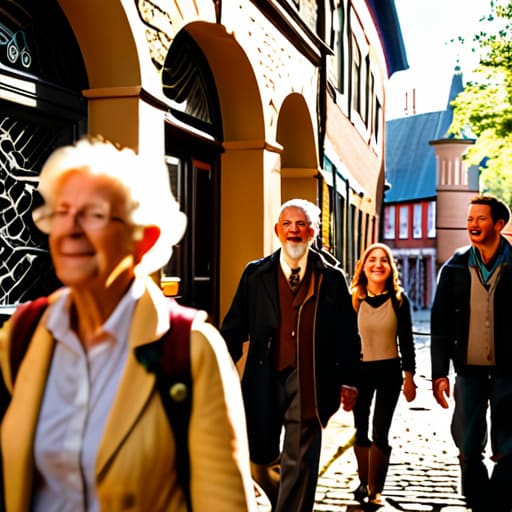
I spent thirty years in local government, and if there is one thing I’ve learned, it’s that people love to make simple things unnecessarily complicated. You’ll often hear folks saying you need a professional historian, a laminated guidebook, and a massive grant from the council just to get started. That is absolute nonsense. If you want to learn how to run a local history walk, you don’t need a PhD or a budget; you just need a few decent stories and the courage to step out of your front door. Most people get bogged down in the “official” way of doing things and end up doing nothing at all.
I am not here to give you a lecture on academic historiography. My goal is to give you the practical, boots-on-the-ground reality of getting a group together and actually making it happen. I’m going to show you how to organize your people, manage your little bit of funding, and—most importantly—how to keep the momentum going so your project doesn’t vanish like so many parish sub-committees I’ve seen over the years. We are going to do this properly, one street at a time.
Six Neighbors One Map How to Run a Local History Walk
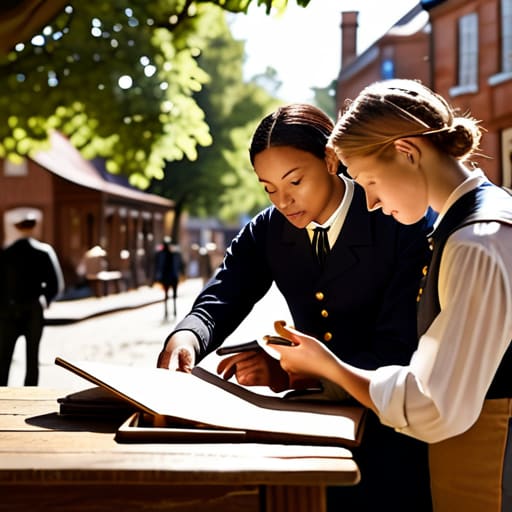
First, don’t try to do this alone. I’ve seen too many lovely ideas wither away because one person tried to carry the whole load. You need a small, reliable team—ideally five or six neighbors who actually show up. Assign one person to handle the local heritage site research so you aren’t just guessing at dates, another to manage the sign-up sheet, and someone else to keep an eye on the logistics. Having these roles clearly defined from the start means you won’t be scrambling when the first group of twenty people arrives at the meeting point.
Once you have your people, you need a route that tells a story rather than just listing facts. I always tell people that curating historical narratives is much more important than memorizing every single building year. You want to connect the old mill or the crooked lamp post to something people can actually feel. If you can link a crumbling wall to a story about a local baker from 1920, you’ve won them over. It’s about making the past feel like it’s still breathing right there on the pavement.
Digging for Gold Deep Local Heritage Site Research

Now, don’t go thinking you need a PhD to do this properly. Most people make the mistake of just reading facts off a Wikipedia page, but that’s a quick way to lose a crowd. Real local heritage site research is about finding the stories that aren’t in the glossy brochures. I always suggest heading down to the county archives or even just poking around the old parish records I’ve spent years collecting. You’re looking for the human element—the baker who lost his shop in the blitz, or the eccentric lady who lived in the crooked cottage on the corner.
Once you have those nuggets, you need to focus on curating historical narratives that actually connect. It isn’t just a list of dates; it’s a thread that pulls people through the streets. Instead of saying “this building was built in 1842,” try telling them why the person who built it was so desperate to stay in this specific parish. When you bridge that gap between a cold stone wall and a lived experience, you aren’t just giving a lecture; you’re bringing the neighborhood back to life.
Curating Historical Narratives That Actually Stick
Now, here is where most groups stumble. You can have all the dates and architectural facts in the world, but if you just recite them like a dry census report, people will start looking at their watches. When I was working in regeneration, I saw that people don’t connect with years; they connect with people. Instead of just saying a building was erected in 1842, tell them about the blacksmith who lived in the cellar or the scandal that broke in the tea room next door. Curating historical narratives isn’t about being a walking encyclopedia; it’s about finding the human pulse beneath the pavement.
The secret to engaging storytelling techniques for guides is to follow the “so what?” rule. Every time you find a piece of trivia, ask yourself why it matters to the person standing in front of you today. Did this street change because of a local strike? Did that corner used to be a bustling market? If you can link the past to the very ground they are walking on, you’ve won them over. Keep the stories short, punchy, and grounded in local reality. That is how you turn a simple stroll into something they will talk about at the pub later.
Mastering Engaging Storytelling Techniques for Every Guide
Now, don’t make the mistake of reciting a list of dates like you’re reading a grocery receipt. People don’t join a walk to hear a lecture; they join to feel a connection to the ground beneath their feet. When I was working in regeneration, I saw that the most successful projects were the ones that focused on the human element. Instead of just saying a building was erected in 1842, tell them about the widow who lived in the attic or the baker who lost his shop during the Great Depression. Engaging storytelling techniques for guides are really just about finding the heartbeat within the archives.
You also need to be mindful of your audience’s pace. If you’re walking a group of retirees, don’t rush from one landmark to the next without letting the stories breathe. I always tell my volunteers that a good pause is just as important as a good sentence. It gives people a moment to look up, soak in the surroundings, and actually process the history you’ve just shared. If you keep the narrative moving like a conversation rather than a recital, you’ll find that your neighbors aren’t just listening—they’re truly participating.
Organizing Community Walking Events Without the Chaos
Now, this is where most well-meaning groups stumble. You can have the most fascinating stories in the world, but if you haven’t accounted for the practicalities, you’ll end up with a frustrated crowd and a lot of finger-pointing. I’ve seen too many wonderful initiatives fizzle out because the organizers forgot about the basics. When it comes to organizing community walking events, you need to treat the logistics with the same respect you give your research. I always tell my volunteers: a clear plan is the best way to prevent a lovely afternoon from turning into a logistical headache.
First, you must establish clear walking tour safety protocols. It sounds a bit formal, I know, but you need to consider things like where the nearest public toilets are, which pavements are actually suitable for those with limited mobility, and what happens if someone trips. I keep a simple printed sheet with emergency contact numbers and a basic route map for every walk. If you manage the “boring” bits—like weather contingencies and meeting points—the group can actually focus on the history rather than wondering where the next turn is.
Safety Protocols and Planning Your First Successful Tour
Now, I know what you’re thinking: “Deborah, it’s just a stroll through the old quarter, how much could go wrong?” Well, in my thirty years in local government, I’ve learned that enthusiasm is no substitute for a sensible plan. You can have the most brilliant engaging storytelling techniques in the world, but if someone trips on a loose paving stone or gets lost in a narrow alley, the magic evaporates instantly. Before you announce your date, you must walk the route yourself—not as a guide, but as a skeptic. Look for uneven curbs, construction barriers, or spots where the streetlights are dim.
When it comes to walking tour safety protocols, simplicity is your best friend. I always suggest having a printed “emergency sheet” tucked into your folder, listing the nearest pharmacies and the local non-emergency numbers. It sounds a bit grim, but being prepared is how you keep the group’s focus on the history rather than the hazards. If you are organizing community walking events for a larger crowd, make sure you have a clear “meeting point” and a “dispersal point” so nobody wanders off into a side street feeling abandoned. A little bit of foresight ensures your first outing is remembered for the stories, not the mishaps.
Keeping the Momentum: Five Ways to Make Sure Your Walk Doesn't Just End at the Last Stop
- Write everything down. I cannot stress this enough—if you decide on a specific route or a particular way of handling the tea break, jot it in a notebook. When the next person wants to take over next year, they shouldn’t have to reinvent the wheel because the previous committee left no paper trail.
- Don’t try to be a walking encyclopedia. People aren’t there for a lecture; they are there for a connection to their doorstep. If you spend twenty minutes talking about Victorian drainage systems, you’ll lose them. Keep the facts lean and the stories thick.
- Set up a small, dedicated pot of money. Even if it’s just a few pounds for printed maps or a replacement first-aid kit, having a clear way to handle small expenses prevents the “who owes whom” headache that breaks so many lovely community groups.
- Watch your pacing, not just your facts. I’ve seen many a good tour ruined because the guide was so caught up in a story they didn’t notice the group had drifted twenty yards away or was struggling with a steep hill. Check in with the person at the very back of the line.
- Leave them wanting more. Never end a walk by just saying “that’s it.” Give them a small piece of something to take home—a printed sheet with three interesting dates, or even just a note about when the next walk is happening. Give them a reason to stay part of the group.
The Secret to a Walk That Lasts
A history walk isn’t just about reciting dates from a dusty textbook; it’s about getting six neighbors to stand on a street corner, look at a mundane brick wall, and finally see the story that lives inside it.
Deborah Castellanos
The Last Step: From Planning to Presence
We have covered a lot of ground, from the initial logistics of gathering your committee of six to the finer points of researching those hidden stories that make a street feel alive. You now have the blueprint: a solid research foundation, a curated narrative that avoids the dry “textbook” trap, and a safety plan that keeps the chaos at bay. Remember, the goal isn’t to deliver a lecture; it is to facilitate a shared experience. If you keep your organisational structure tight and your storytelling personal, you won’t just be walking down a pavement—you will be guiding people through the very fabric of their own lives.
At the end of the day, don’t let the fear of a messy first meeting or a slightly incorrect date stop you from starting. I have seen too many wonderful community ideas wither away simply because someone was too afraid to write down the first set of minutes and make it official. A local history walk is more than just a stroll; it is a way of saying that our shared past matters. So, grab your map, find your five neighbors, and get out there. The stories are already there, waiting for someone with enough heart and a bit of paperwork to finally tell them.
