

I remember sitting in a drafty village hall back in the nineties, watching a perfectly good community project dissolve into nothing because the chairperson spent forty minutes arguing about the brand of biscuits rather than the budget. It’s a tragedy I’ve seen far too often in my thirty-one years in local government. People think learning how to chair a meeting requires a fancy management degree or a thick manual of parliamentary procedure, but that’s just nonsense. In reality, most meetings fail not because of a lack of rules, but because of a lack of direction. When you lose the thread, you lose the momentum, and eventually, you lose the people.
I’m not here to give you a lecture on formal etiquette or corporate jargon. Instead, I want to show you how to hold the room without being a tyrant. I’ll share the practical, boots-on-the-ground methods I used during my career to keep small committees focused, productive, and—most importantly—ready to spend their money wisely. We are going to focus on the mechanics of getting things done so that your group doesn’t just talk, but actually moves the needle on your street.
Understanding How to Chair a Meeting
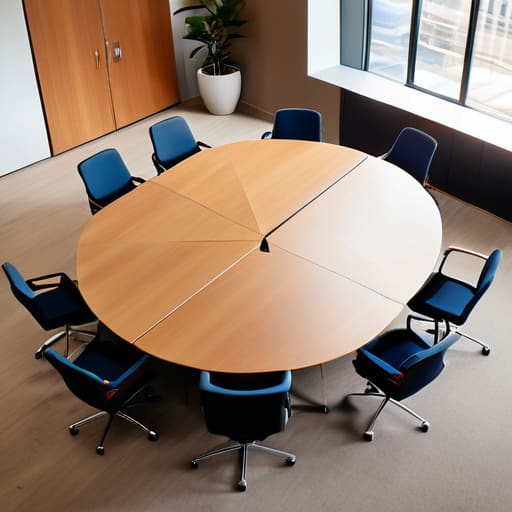
Before you even pick up the pen to record the minutes, you have to understand what a chair actually is. You aren’t the boss, and you certainly aren’t a dictator; you are more like a conductor in an orchestra. Your job isn’t to play every instrument, but to make sure the violinist doesn’t drown out the cellist. In my years in local government, I saw plenty of well-meaning groups fall apart because the person at the head of the table thought their role was to give orders rather than facilitating group decision making. If you try to dominate the conversation, you’ll lose the very people you’re trying to organise.
True leadership in these small circles is about balance. You need to master the art of managing meeting discussions so that the loudest person in the room doesn’t hijack the entire hour. I’ve sat through countless sessions where a single enthusiast could derail a whole afternoon of planning. A good chair keeps a steady hand on the tiller, ensuring that even the quietest member feels they’ve contributed something meaningful to the pot. It’s about keeping the momentum moving toward that bank account and that first community project.
Key Things to Know
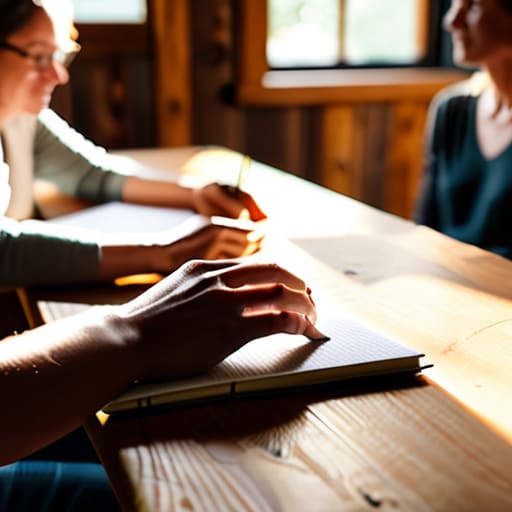
Now, before you sit down at that folding table, you need to understand that being a chair isn’t about being the boss; it’s about being the glue. I’ve seen so many lovely neighbourhood projects fall apart simply because the person at the head of the table let one loud voice hijack the whole hour. You aren’t there to give orders, you’re there for managing meeting discussions so that the quietest person in the room feels they can actually contribute. If you don’t keep a steady hand, you’ll find yourselves debating the colour of the new planters for forty minutes while the actual budget sits untouched.
You also have to keep an eye on the clock and the paper. I always tell my friends in the parish: if it isn’t written down, it didn’t happen. This is where meeting minutes best practices become your best friend. You don’t need a stenographer, but you do need a clear record of what was decided and, more importantly, who is actually doing the work. Without that paper trail, you’ll spend every single meeting re-litigating the same three points, and that is the quickest way to burn out a volunteer group.
Practical Tips and Steps

Now, let’s get into the brass tacks of actually running the show. I’ve sat through enough disorganized parish meetings to know that if you don’t have a plan, you’re just paying for tea and biscuits while nothing gets decided. Before anyone even sits down, send out the agenda. It sounds simple, but it’s the backbone of everything. When you are actually in the room, your job is managing meeting discussions so they don’t veer off into a debate about the neighbor’s hedge for forty minutes. Keep a firm but gentle hand on the clock; if a topic is circling the drain, suggest we “park it” for the next session and move on.
I also can’t stress enough the importance of the paper trail. I’ve seen wonderful community projects wither away simply because nobody recorded who promised to do what. You need to implement meeting minutes best practices from day one. Don’t try to write down every single word—that’s a fool’s errand. Instead, focus on the decisions made and the specific actions assigned to people. If a decision isn’t written down, as far as the bank account and the local council are concerned, it never happened.
Common Mistakes to Avoid
The biggest mistake I see—and I’ve seen it in dozens of parish sub-committees—is letting the loudest person in the room hijack the clock. It’s easy to let a chat about the flower show turn into a forty-minute debate on bin collections, but that’s how momentum dies. You aren’t just there to sit there; you need to practice active managing meeting discussions to keep things on track. If you don’t steer the ship, you’ll find yourselves halfway through an hour with nothing decided and no way to show the bank that you’ve actually been working.
Another trap is the “silent consensus,” where everyone nods, but nobody actually agrees. I once saw a lovely little garden project collapse because the chair assumed everyone was on board, only to find out later that half the group felt ignored. You must focus on facilitating group decision making by explicitly asking for thoughts before a vote is called. And please, for the love of all that is holy, don’t forget the record-keeper. If you don’t follow meeting minutes best practices, you’ll spend the next meeting trying to remember what you actually decided last time.
Final Thoughts
At the end of the day, don’t let the weight of the role intimidate you. You aren’t there to be a dictator; you are there to be the glue that holds the group together. I’ve seen so many wonderful neighbourhood projects wither away simply because the person at the head of the table lost their nerve or let the conversation drift into a sea of aimless chatter. If you can master even a few basic meeting leadership skills, you’ll find that the heavy lifting becomes much easier. It’s about keeping the momentum moving toward that bank account and that community goal.
Remember, your biggest legacy isn’t just a finished project, but the record you leave behind. I still keep my old files, and I can tell you that properly documented decisions are what allow a group to survive a change in leadership. If you focus on facilitating group decision making with a bit of patience and a clear eye on the agenda, you aren’t just running a meeting—you are building something that lasts. Now, grab your notebook, set your timer, and get to work.
My Five Golden Rules for Keeping the Room on Track
- Keep a printed agenda in front of you at all times. It sounds simple, but without that physical anchor, you’ll find yourself drifting into a conversation about the local flower show when you should be discussing the grant application.
- Watch the clock like a hawk. If a discussion starts circling the drain, step in politely and say, “We’ve spent ten minutes on this, let’s park it for now and move to the next item.” You can’t fix a street if you spend the whole hour debating the colour of a single bin.
- Make sure the quietest person in the room gets a turn. I’ve seen so many good ideas die because the loudest person in the committee took up all the oxygen. Call on people by name—not to put them on the spot, but to invite them in.
- Never let a decision pass without a clear “who, what, and when.” It isn’t enough to say, “We should look into the community garden.” You need to write down: “Arthur will call the council by next Tuesday regarding the fence.”
- End on a high note with a summary. Before everyone stands up to head home, read back the decisions made and the tasks assigned. It prevents that awful confusion the next morning where nobody can remember what was actually agreed upon.
The True Purpose of the Chair
A chairperson isn’t there to be the loudest voice in the room; you’re there to be the one who makes sure the quietest person is heard and that every decision made is written down clearly enough that the next group doesn’t have to start from scratch.
Deborah Castellanos
The Last Word
At the end of the day, chairing a meeting isn’t about being the loudest person in the room or having a fancy title. It’s about the mechanics of progress. If you can manage the agenda, keep the chatter from drifting into nothingness, and ensure that every decision is actually recorded in the minutes, you have done eighty percent of the work. Remember, a meeting without a clear outcome is just a gathering of people who could have stayed home. Your job is to bridge the gap between a good idea and a bankable action item that moves your group toward its goal.
I have seen so many wonderful community projects wither away, not for lack of passion, but simply because the momentum died in a room full of unrecorded talk. Don’t let your group be one of them. When you step into that chair, you aren’t just managing a conversation; you are protecting the future of your committee. Hold the line, keep the records straight, and remember that small, disciplined steps are what eventually turn a tiny budget into a transformed street. Now, go get those minutes written down.
