
I remember standing in a damp hallway back in ’94, clutching a stack of soggy, poorly printed flyers that looked more like junk mail than community news. I had spent three hours trying to figure out the “most efficient” route, only to realize I was wasting precious energy on a system that felt entirely disconnected from the people living behind those doors. People will tell you that you need expensive mailing software or a fancy digital strategy to get the word out, but they are dead wrong. If you want to actually build a neighborhood, you need to learn how to deliver a newsletter by hand without losing your mind or your motivation in the process.
I am not here to give you a lecture on marketing theory or complex logistics. Instead, I am going to share the practical, boots-on-the-ground methods I learned during thirty years of seeing what actually works in local regeneration. I will show you how to organize your small group, how to map your streets effectively, and how to turn a simple walk down the block into a tool for real community connection. We aren’t just dropping paper into letterboxes; we are making sure our neighbors actually feel seen.
The Paper Trail How to Deliver a Newsletter by Hand
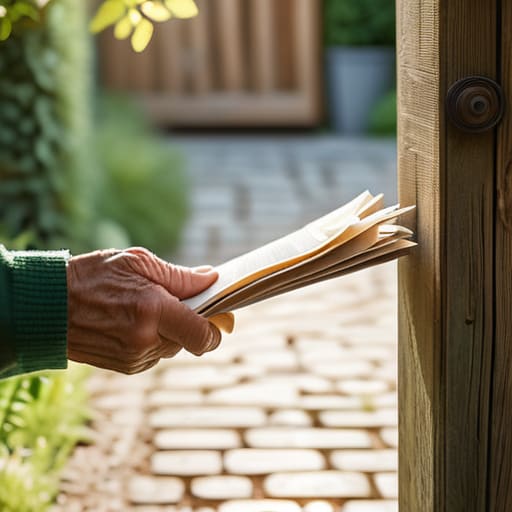
Now, I’ve seen many well-intentioned groups fail simply because they treated their newsletter like a chore rather than a mission. If you want this to stick, you cannot just leave a stack of papers on a communal hallway table and hope for the best. You need to treat your neighborhood distribution routes with the same respect a postman does. I always tell my volunteers: don’t just drop and run. If you see someone gardening or leaning on a gate, that is your moment. A quick “hello” while handing over the update transforms a piece of paper into a meaningful connection.
To keep things from becoming a muddle, you must be disciplined about organizing delivery schedules. I once saw a lovely little garden group fall apart because three different people tried to cover the same street, leaving the next block completely ignored. Assign specific zones to your small team so everyone knows exactly where their responsibility lies. If you map it out clearly on a simple sheet of paper—or even a shared digital calendar—you ensure no house is left in the dark. It isn’t about being overly formal; it’s about consistency.
Mapping the Block Smart Neighborhood Distribution Routes
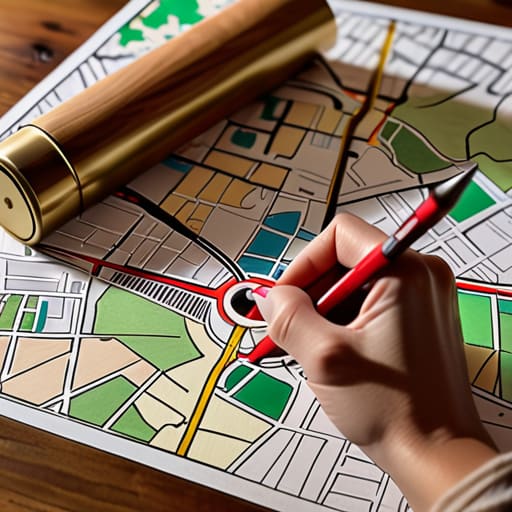
Before you hand a single sheet of paper to a neighbor, you need a plan. I’ve seen too many well-meaning groups wander aimlessly from house to house, wasting an entire afternoon only to realize they missed the cul-de-sac at the end of the lane. To avoid this, I always suggest sitting down with a physical map of the area—a printed street map works best—and marking out your neighborhood distribution routes in advance. Break the area into small, manageable zones. If you try to cover the whole ward in one go, you’ll burn out your volunteers before the second issue even hits the press.
Once you have your zones, you can focus on organizing delivery schedules that actually respect people’s time. I usually suggest assigning one person to one specific block; there is a certain dignity in being the “expert” on a single street. It makes the task feel less like a chore and more like a purposeful stroll. If you keep your routes tight and logical, you won’t just save time; you’ll ensure that no porch is left empty and no resident feels forgotten by the group.
The Six Person Crew Managing Volunteer Delivery Teams

Now, this is where most well-meaning groups stumble. I’ve seen so many lovely neighborhood initiatives fizzle out simply because the person doing the heavy lifting burned out after three weeks. To keep this sustainable, you cannot be a martyr; you must be a coordinator. My rule of thumb is to build a small, reliable unit of six people. This allows you to rotate tasks so that no one person feels the crushing weight of the entire street on their shoulders. When you are managing volunteer delivery teams, the secret isn’t just about finding people; it’s about finding people who can commit to a predictable rhythm.
Don’t just shout into the void of a Facebook group and hope for the best. Instead, sit down with your crew and focus on organizing delivery schedules that actually work for real lives. I always suggest a “buddy system” where pairs take a specific section of the block. It makes the job safer, more social, and much harder to skip. If you treat the distribution like a shared responsibility rather than a solo chore, you’ll find that the work becomes a way to connect with neighbors rather than just a task to be ticked off a list.
Boots on the Ground Door to Door Delivery Efficiency
Now, we have to talk about the actual walk. It is easy to get enthusiastic and tell everyone to “just start walking,” but without a bit of structure, you’ll end up with three people covering the same cul-de-sac while the next street over gets nothing. To maintain true door-to-door delivery efficiency, I always tell my teams to think of it like a gardener tending a patch—you don’t skip the corners just because they are harder to reach.
I’ve seen too many lovely little initiatives fizzle out because the volunteers felt overwhelmed or, worse, felt they were wasting their time. The secret is organizing delivery schedules that respect people’s lives. Don’t ask someone to commit to every Tuesday if they have a bridge club meeting. Instead, break the neighborhood into small, manageable zones and rotate the responsibility. When you treat your delivery crew like a well-oiled machine rather than a group of people running errands, the whole project gains momentum. It’s not just about dropping paper through slots; it’s about building a reliable rhythm that the whole street can count on.
Mastering the Calendar Organizing Delivery Schedules
The biggest mistake I see in local groups is treating the newsletter like a one-off event rather than a rhythm. If you only show up when there is a crisis, people stop looking for you. You need to treat organizing delivery schedules with the same seriousness as a parish council meeting. I always suggest picking a consistent date—the first Saturday of the month works well for most—so neighbors actually begin to anticipate the arrival of your updates.
Don’t try to be a hero and do it all yourself, either. When you are managing volunteer delivery teams, the secret is to build a rotation that accounts for real life. People get sick, they go on holiday, or they simply forget. I keep a simple, physical ledger—not a complicated app—where we mark who is covering which street and when. If you can’t see the gaps in your schedule at a glance, you aren’t ready to walk the block. Consistency is what turns a bit of paper into a reliable community presence.
Beyond the Mailbox Community Outreach Strategies That Work
Once you’ve mastered the physical drop, you have to remember that a newsletter is just a conversation starter, not the conversation itself. I’ve seen too many groups treat their printed updates like a chore to be finished rather than a tool to be used. If you want to see real results, you need to pair your distribution with actual human connection. I always tell my volunteers that the goal isn’t just to empty the bag of flyers, but to leave behind a sense of belonging.
If you find that certain houses are consistently missing your updates, don’t just assume they aren’t interested. Instead, look at your community outreach strategies and see where the gaps are. Sometimes, leaving a copy at the local butcher or the parish hall is more effective than a standard doorstep drop. It’s about being present where people naturally gather. If you combine your regular routes with these small, intentional touchpoints, you aren’t just delivering paper; you are building a presence that people will actually look for when the next committee meeting rolls around.
Five Lessons from the Pavement: Making Hand-Delivery Count
- Don’t just shove it through the letterbox. If you see a neighbor tending their garden or checking the post, stop for thirty seconds. A quick “Hello, we thought you’d like to know about the new planters” does more for community spirit than a thousand printed words ever could.
- Carry a small, sturdy clipboard with a simple sign-off sheet. You don’t need a digital database, but you do need to know which houses are empty or which residents have asked not to be disturbed. It prevents wasted steps and, more importantly, respects people’s privacy.
- Watch the weather, not just the clock. I’ve seen many a good volunteer lose heart trying to deliver damp, soggy papers in a drizzle. If it’s pouring, wait until the morning of a dry spell. A crisp, clean newsletter suggests a professional, organized group.
- Use the “Double-Up” rule to avoid burnout. Never ask one person to cover an entire street alone. Pair a younger, energetic neighbor with someone more established who knows the local characters. It keeps the task social rather than a chore, and it ensures someone is there to help if a gate is locked or a dog is barking.
- Always keep a small stack of “spare” copies in a waterproof folder. You will inevitably find a neighbor who missed the delivery or someone who wants to pass a copy to a friend down the road. Being prepared for these little moments keeps the momentum going without a trip back to the community hall.
The Value of a Physical Presence
A digital update can be deleted in a second, but a printed newsletter tucked into a doorframe is a tangible reminder that your neighbors actually care about what happens on this street. When you walk the block, you aren’t just delivering paper; you’re proving that the committee is real, active, and present.
Deborah Castellanos
The Last Mile of Community Building
At the end of the day, delivering a newsletter by hand is about much more than just getting paper into a slot. It is about the logistics we have discussed: mapping out your routes so you aren’t wandering aimlessly, coordinating your six-person team so no one feels burnt out, and ensuring your schedule is consistent enough to build a habit. When you treat the distribution like a proper operation—with a clear plan and a reliable crew—you move away from the chaos that usually causes small groups to fizzle out. Remember, the goal is to create a systematic approach that doesn’t rely on one person doing everything, because sustainability is the secret ingredient to any lasting neighborhood project.
I have seen too many lovely ideas vanish simply because the organizers grew tired or lost their way. But if you keep your routes steady and your volunteers engaged, you aren’t just delivering news; you are reclaiming the street. There is a specific kind of magic that happens when a neighbor sees a familiar face at their door, even if it’s just for a second. You are building the connective tissue of your community, one doorstep at a time. So, grab your clipboards, check your bank balance, and get moving. A little bit of organized effort is all it takes to turn a group of strangers into a real neighborhood.
