

I remember sitting in a drafty church hall back in ’94, staring at a stack of handwritten slips and a calculator, feeling utterly paralyzed. We were trying to host a simple street fayre to fund the new playground, but everyone was arguing about whether five pounds was “fair” or if we were being greedy. People love to make things complicated, suggesting you need complex spreadsheets or market analytics to figure out how to price tickets for a local bake sale or a community concert. But let me tell you, all that professional jargon is just a way to hide the fact that nobody actually knows what they’re doing.
I’ve spent thirty years watching small committees succeed and, more often than not, crumble because they lost their way in the math. I’m not here to give you a lecture on dynamic pricing or profit margins; I’m here to give you the practical truth. I will show you how to find that sweet spot where you actually cover your costs without making your neighbors feel like they’re being fleeced. We are going to talk about real-world numbers that keep your bank account in the black and your community coming back.
Understanding How to Price Tickets

Before you even think about a price tag, you have to look at the actual numbers sitting on your kitchen table. I’ve seen so many lovely garden parties turn into a headache because the organizers forgot to account for the small things—the tea, the paper plates, or the permit fee. You aren’t running a corporate gala, but you do need to be mindful of your venue overhead costs if you’re renting the village hall. It’s not about squeezing every penny out of your neighbors; it’s about ensuring the pot is full enough so that next year’s event is already paid for.
I always tell my committee members to start by calculating profit margins with a bit of breathing room. If you aim to just break even, one rainy afternoon or a late cancellation can leave your little group in the red. You want a modest surplus to tuck away in the community fund. Don’t get bogged down in complex demand-based pricing strategies or fancy software. Just be honest about what it costs to host the gathering and add a little extra to keep the lights on for the next one.
Key Things to Know
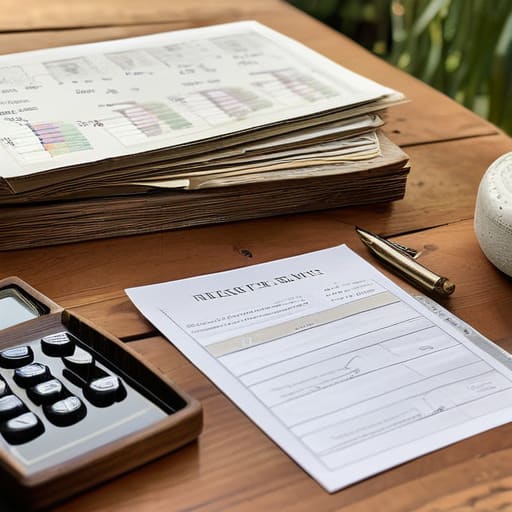
Before you start scribbling numbers on a notepad, you need to look at what it actually costs to turn the lights on. I’ve seen too many lovely garden parties fall apart because the organizers forgot to account for the venue overhead costs. If you’re renting a village hall or hiring a marquee, that money has to come from somewhere. You aren’t running a charity shop here; you are managing a small community fund. You need to be calculating profit margins with a bit of pragmatism so that there is a little something left in the bank account for the next project.
It’s also worth remembering that your neighbors aren’t a faceless crowd. While big corporations love their complex dynamic pricing models, a community group needs something much more sensible. You don’t need to be a mathematician to get this right, but you do need to be fair. If you price things too high, you exclude the very people you’re trying to bring together; if it’s too low, you’ll find yourself subsidizing the event out of your own pockets. Finding that sweet spot of accessibility and sustainability is the real trick.
Practical Tips and Steps

First, sit down with a cup of tea and a notepad—not a spreadsheet, just a notepad—and list your absolute essentials. You need to account for your venue overhead costs before you even think about the community benefit. If you’re renting the village hall or hiring a marquee, that cost is fixed, whether ten people show up or fifty. I’ve seen so many lovely neighborhood tea dances fold because the committee forgot that the kettle rental and the hall hire had to be paid back before we could claim a penny for the community fund.
Once you know your baseline, keep it simple. You don’t need complex dynamic pricing models that require a degree in economics to manage. Instead, try a tiered approach: an “early bird” rate for those who support you quickly, and a standard price for everyone else. It rewards the enthusiasts and ensures you aren’t left scrambling for funds at the last minute. Just remember to leave a little breathing room in your math; unexpected costs, like an extra bag of ice or a last-minute printing job, always seem to pop up right when you think you’ve balanced the books.
Common Mistakes to Avoid
One mistake I saw constantly during my years in local government was the tendency to guess. People often set a price based on what they think feels fair, without actually calculating profit margins first. If you don’t account for the tea, the hall hire, and those little unexpected bits, you might find that after the event, your bank account is actually emptier than when you started. It’s heartbreaking to see a lovely community afternoon end in a deficit just because the math was fuzzy.
Another trap is being too rigid. I’ve seen committees insist on one flat rate, even when they see the room is half-empty or, conversely, that they’ve sold out in ten minutes. While we aren’t running a massive stadium, a little bit of flexibility with your rates can go a long way. You don’t need complex dynamic pricing models to be smart; even something as simple as an “early bird” discount for the neighbors can help you gauge interest and secure early funds to cover your initial outlays.
Final Thoughts
At the end of the day, please remember that we aren’t running a multinational corporation; we are trying to keep a community spirit alive. While it is tempting to get lost in complex dynamic pricing models or fancy spreadsheets, the real goal is simply ensuring the group remains sustainable. If you price too high, you exclude the very neighbors you’re trying to serve; if you price too low, you’ll find yourself subsidizing the event out of your own pocket, and that is a fast track to burnout.
I’ve seen many wonderful neighborhood initiatives fold simply because they didn’t account for their venue overhead costs or basic supplies. Don’t be afraid to be transparent with your committee about why a certain price was chosen. When people understand that their contribution is directly covering the hall hire or the tea and biscuits, they tend to be much more supportive. Just keep your records clear, watch your margins closely, and remember that a successful event is one where the community feels included, not just billed.
Five Rules of Thumb for Your Ticket Prices
- Don’t aim for a profit, aim for a surplus. We aren’t running a commercial enterprise; we’re trying to make sure the tea and biscuits are paid for and there’s a little something left in the pot for the next meeting.
- Always offer a “neighborhood rate.” If you charge the same to a local pensioner as you do to someone driving in from three towns over, you’ll find your community spirit wilting before the first guest arrives.
- Keep the math simple enough to do on a napkin. If your pricing structure requires a spreadsheet and a degree in economics, you’ll spend more time explaining the costs than actually enjoying the event.
- Remember that “free” isn’t always free. Even if you don’t charge a penny, people will show up expecting something, and if you haven’t budgeted for the overheads, you’ll be dipping into your own pocket—and that’s a slippery slope.
- Be transparent about where the money goes. If people know their five pounds is specifically paying for the new community garden tools rather than just vanishing into a general fund, they’ll reach for their wallets much faster.
The Real Goal of a Ticket Price
Don’t get caught up in trying to turn a profit like a corporation; your price should simply be enough to cover the tea, the hall hire, and the next project, while making sure no one in the neighborhood feels priced out of their own community.
Deborah Castellanos
A Final Word on the Ledger
At the end of the day, pricing your tickets isn’t about mastering complex economics or squeezing every last penny out of a neighbor. It is about balance. You have to cover your costs—the hall hire, the tea, the printing—while ensuring the price doesn’t become a barrier that keeps the very people you want to serve away from the table. Remember to look at your overheads, keep your math simple, and always leave a little room in the budget for the unforeseen hiccups that inevitably crop up. If you treat your finances with a bit of respect and a clear paper trail, you won’t just fund an event; you’ll build a foundation that lasts.
I’ve seen so many wonderful little initiatives flicker out simply because the committee was too afraid to ask for what they needed to survive. Don’t let that be your story. Whether you are charging five pounds or fifty, do it with the confidence that your community understands the value of what you are creating together. A well-run event with a clear bank balance is more than just a successful afternoon; it is proof that your group is organized, capable, and here to stay. So, set your price, get your minutes written down, and get on with the work of changing your street.
