
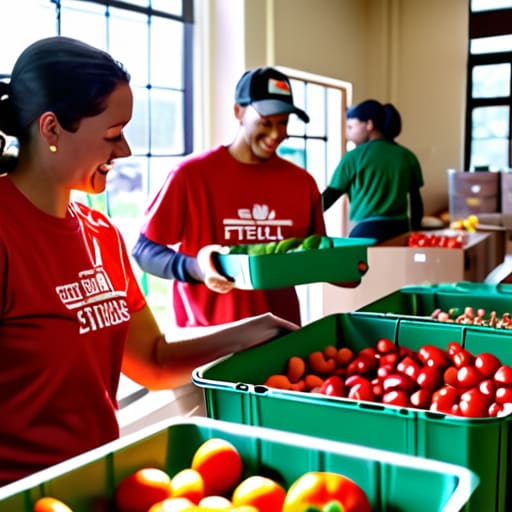
I remember sitting in a drafty church hall back in ’94, staring at a stack of disorganized donation forms and wondering why everyone made helping people feel so exhausting. Most people think that figuring out how to volunteer in a food bank requires a degree in social work or a massive, endless commitment of your time. They see these huge, intimidating institutions and assume they’ll just be a tiny, forgotten cog in a massive machine. But after thirty years of watching community projects rise and fall, I’ve learned that the real work isn’t about navigating complex bureaucracies; it’s about showing up where the need is tangible.
I’m not here to give you a polished, corporate manual on charity. Instead, I want to give you the practical, unvarnished truth about what actually happens behind those pantry doors. I will show you how to find the right fit for your schedule, how to be useful from day one, and how to ensure your efforts actually reach the people on your street. If you want the straightforward, no-nonsense way to get involved without getting lost in the paperwork, you’ve come to the right place.
Understanding How to Volunteer in a Food Bank
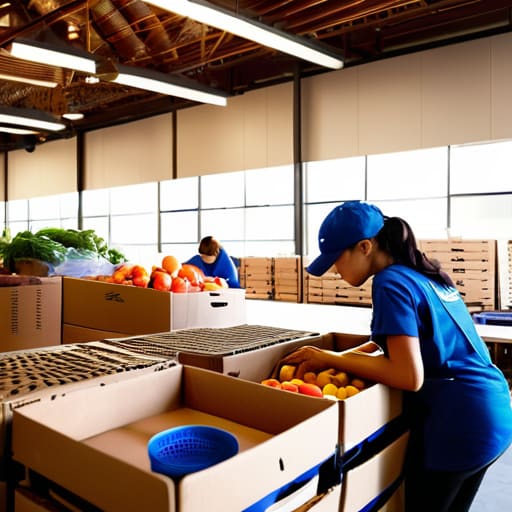
Before you roll up your sleeves, you need to understand that a food bank isn’t just a room full of tins. It is a complex, moving machine designed to tackle local hunger, and every role serves a specific purpose in the larger ecosystem of community food security programs. Some people are best suited for the heavy lifting—sorting through bulk deliveries and checking expiry dates—while others might prefer the quieter work of administrative support or managing the delicate food pantry donation processes.
When I was working in local government, I saw how easily well-meaning people could stumble if they didn’t know the ropes. That is why most reputable organisations will insist on some form of food bank volunteer training before you start. Don’t let that intimidate you; it’s actually a safeguard. They need to teach you about food safety, privacy, and how to interact with neighbors who might be having their hardest day. Whether you are helping with logistics or manning the front desk, you aren’t just moving boxes; you are becoming a vital link in a chain that keeps your street fed.
Key Things to Know
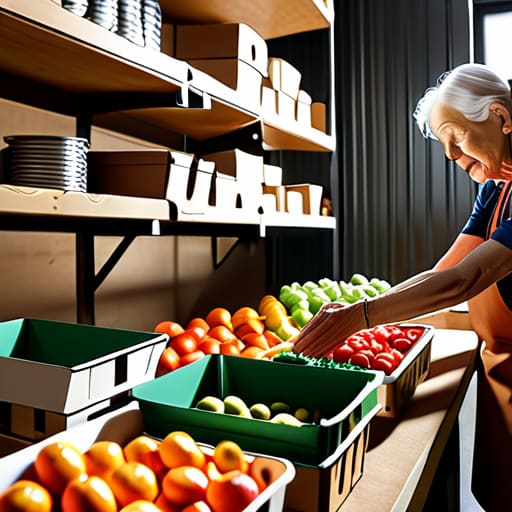
Before you roll up your sleeves, you need to understand that no two sites operate quite the same way. While you might expect to spend your afternoon simply sorting tins of soup, many organizations rely on much more complex nonprofit food distribution roles. Some sites are essentially warehouses requiring heavy lifting and logistics, while others function more like a quiet boutique where you assist neighbors with their shopping lists. It is vital to ask about their specific food bank volunteer training before your first shift; they need to ensure you understand health and safety standards, especially when handling perishables.
You should also be prepared for the emotional weight of the work. We often talk about the logistics of hunger, but the true impact of food bank service is felt in the quiet dignity of the people walking through the door. It isn’t just about calories; it’s about community stability. I’ve seen many well-meaning groups falter because they treated it like a simple errand run, rather than a structured commitment to local dignity. Approach it with a sense of steady, reliable presence.
Practical Tips and Steps
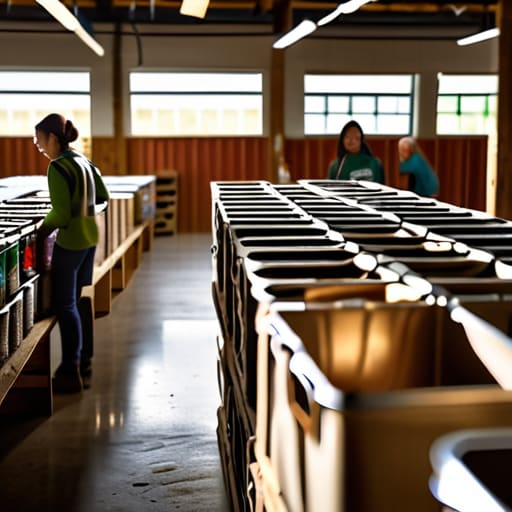
When you actually get through the door, don’t expect a grand orientation speech. Most places are running on a knife-edge of logistics. My advice is to arrive ten minutes early and ask exactly where the bottleneck is. Sometimes it’s sorting through a mountain of dry goods, and other times it’s helping people navigate the food pantry donation processes so nothing goes to waste. I’ve found that the most useful people aren’t the ones waiting to be told what to do, but the ones who spot a messy shelf and start tidying it without making a fuss.
If you’re looking to make a real dent, try to commit to a regular shift rather than a one-off afternoon. Consistency is what allows these organizations to actually plan their week. You might start with basic sorting, but eventually, you’ll find yourself drawn into more specialized nonprofit food distribution roles, perhaps helping with the heavy lifting or the delicate task of checking expiry dates. Showing up when you say you will is more valuable than any specific skill you might bring to the table.
Common Mistakes to Avoid
One mistake I saw far too often during my years in local government was the “hero complex”—the idea that one person can swoop in and fix everything single-handedly. When people show up to help without checking in on the specific food pantry donation processes, they often end up creating more work for the permanent staff. It’s easy to think you’re being helpful by just dropping off a bag of groceries, but most organized efforts need hands on deck for sorting, heavy lifting, or data entry. Don’t try to reinvent the wheel; instead, ask where the current friction is.
Another pitfall is failing to commit to the long term. Many folks treat these roles like a one-off afternoon project, but the real impact of food bank service is felt through consistency. If you only show up when you have a spare hour, the organizers can’t rely on you for the more specialized nonprofit food distribution roles. It’s much better to commit to just two hours every single month than to burn bright for one week and then vanish. Reliability is the true currency of any successful community group.
Final Thoughts
I’ve spent three decades watching committees rise and fall, and if there is one thing I’ve learned, it’s that the most meaningful work happens when people simply show up. You don’t need a grand manifesto or a massive budget to make a difference; you just need the willingness to be part of the machinery that keeps a neighborhood fed. Whether you are sorting tins or helping with the heavy lifting, your presence is what sustains these community food security programs when things get difficult.
Don’t let the paperwork or the initial nerves hold you back. Most organizations are more than happy to walk you through their specific food bank volunteer training to ensure you feel confident in your role. The real magic happens in those small, quiet moments—the realization that a shelf is full because you spent an hour organizing it. It might feel like a small thing, but when you look at the collective impact of everyone contributing, you realize that small actions, when documented and repeated, are exactly how we build a resilient street.
Five things I’ve learned from years of community work
- Don’t just show up when you feel like it; pick a regular slot. These food banks run on a tight schedule, and if they’re counting on you to sort the tins every Tuesday at ten, they really need you there. Consistency is what keeps the doors open.
- Learn the logistics before you try to lead. I’ve seen many well-meaning people try to reorganize the whole pantry on their first day. Spend your first few shifts just watching how the stock moves from the delivery van to the shelf.
- Keep your eyes open for the quiet needs. While sorting through donations, you’ll notice patterns—maybe there’s a sudden lack of nappies or a surplus of pasta. Reporting these gaps to the coordinator is often more helpful than just moving boxes.
- Respect the privacy of the people coming through the door. In my years in local government, I learned that dignity is everything. When you’re volunteering, you aren’t just handing out food; you’re maintaining the privacy and respect of your neighbors.
- Write everything down. If you find a more efficient way to stack the dry goods or a better way to check expiry dates, tell the person in charge and make sure it gets noted. If it isn’t written in the logbook, the next volunteer won’t know it exists.
The Heart of the Matter
“Don’t just show up to move boxes; show up to build a system. A food bank isn’t just about the tins on the shelf, it’s about the dignity of the person receiving them and the organized group of neighbors making sure no one is forgotten.”
Deborah Castellanos
A Final Note from the Sidelines
Looking back at everything we’ve discussed, it really does come down to the basics. Whether you are sorting tins of soup, helping with the heavy lifting, or managing the delicate task of greeting families, the most important thing is to show up with a reliable attitude. We’ve talked about the need to understand the food bank’s specific rules, the importance of being consistent, and the common pitfalls like overpromising your time when your schedule is already full. If you can keep your eyes open, follow the existing procedures, and avoid the trap of trying to reinvent the wheel on your first day, you will find that you are an asset to the team almost immediately.
I have spent thirty years watching community projects rise and fall, and I can tell you this: the difference between a fleeting gesture and a lasting change is simply the people who stay. A food bank isn’t just a distribution point; it is a vital stitch in the fabric of our neighborhood. When you step into that warehouse or community hall, you aren’t just a volunteer; you are part of the infrastructure of kindness that keeps a street from fraying at the edges. So, don’t wait for a grand invitation or a perfect moment. Just grab your coat, find your local center, and get involved. That is how real work gets done.
