
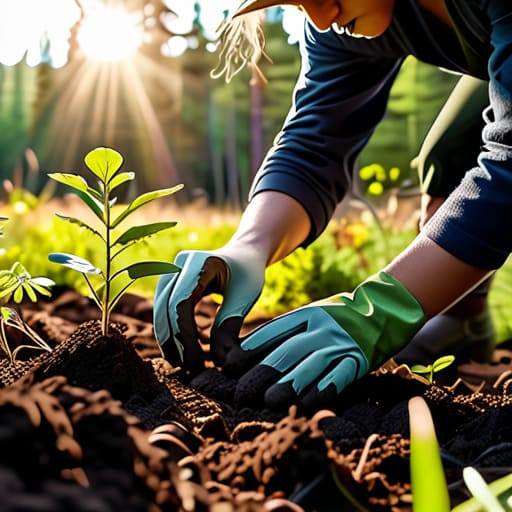
I remember sitting in a drafty village hall back in ’94, watching a group of well-meaning locals get completely defeated by a thirty-page application form for a tiny woodland grant. They had the passion and the muddy boots, but they were tripped up by red tape that seemed designed to keep people out rather than bring them in. Most people think that learning how to volunteer in conservation requires a degree in ecology or a massive budget, but that’s a complete myth. Real environmental work isn’t about waiting for a government directive; it’s about the grit of a few neighbors deciding that a neglected patch of scrubland is worth more than a concrete car park.
I’m not here to give you a lecture on biodiversity or sell you on some grand, unreachable vision. Instead, I want to show you how to get your hands dirty without losing your mind to bureaucracy. I’ll be sharing the practical, unvarnished truth about how to organize your crew, manage a tiny pot of money, and actually make things stick. This is about moving past the theory and into the real work of reclaiming our local green spaces, one small committee at a time.
Understanding How to Volunteer in Conservation

Now, before you go rushing out with a pair of garden shears, you need to decide what kind of shape you want to take. In my years working in local government, I saw many well-meaning people jump into a project only to realize they were fundamentally mismatched for the task. Some folks want to be out in the mud, while others are better suited to the paperwork that keeps a project legal. You might find yourself drawn to hands-on habitat restoration projects, like clearing scrub or planting hedgerows, or you might prefer the administrative side of things, helping a small charity manage its grants.
It is also worth looking at the scale of the commitment. There is a vast difference between a weekend tidy-up and joining formal wildlife protection volunteer programs that require seasonal training. I always tell my friends: don’t sign up for something that feels like a second job unless you actually have the capacity for it. Whether you are looking for something local or something more specialized, the key is to find a role where your specific skills—be they physical, organizational, or even just a knack for keeping tidy records—can actually make a difference.
Key Things to Know
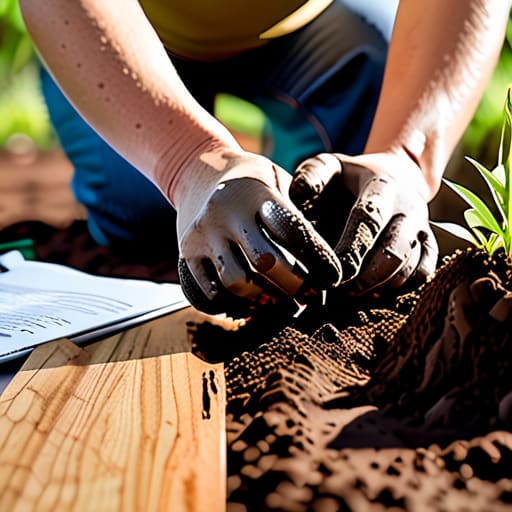
Before you dive in, you must understand that not all roles are created equal. Some people want to be out in the muck, getting their hands dirty with habitat restoration projects, while others prefer the administrative side—the kind of behind-the-scenes work that keeps a small charity from collapsing. I’ve seen many wonderful initiatives fail simply because they had plenty of enthusiasts but no one to manage the paperwork or the bank account. It is vital to decide whether you are looking for physical labour or a way to lend your professional skills to the cause.
You should also look closely at the commitment required. Some wildlife protection volunteer programs are “drop-in” style, which is lovely if you have a busy schedule, but others require a steady, weekly presence to be effective. If you are joining one of the larger non-profit environmental organizations, there might be a bit of a waiting list or a formal training period. My advice? Start small and stay consistent. It is much better to give two hours a month reliably than to burn yourself out in a single weekend and never return.
Practical Tips and Steps
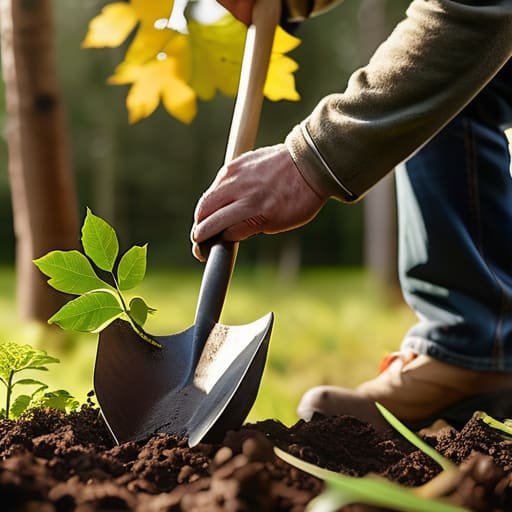
Now, let’s get down to the brass tacks of actually doing the work. I’ve seen too many well-meaning groups fizzle out because they spent all their energy on the “idea” and none on the logistics. If you are looking into habitat restoration projects, don’t just show up at a park with a spade. First, find a local group that already has a dedicated bank account and public liability insurance. It sounds dreadfully dull, I know, but having that administrative backbone means you can actually buy the saplings and tools you need without getting bogged down in personal tax headaches.
Once you’ve found your footing, I suggest starting small. Instead of trying to tackle a massive coastline, look for local wildlife protection volunteer programs that focus on a single patch of woodland or a specific community garden. Consistency is far more valuable than intensity. It is better to spend two hours every first Saturday of the month clearing brambles than to turn up once a year with a burst of enthusiasm and then vanish. Keep a simple log of what you do; trust me, you’ll want those notes when the next person takes over.
Common Mistakes to Avoid
One mistake I saw time and again during my years in local government was the “hero complex.” People often dive into habitat restoration projects with enough enthusiasm to power a small town, but they try to do everything themselves. They skip the paperwork, ignore the local bylaws, and suddenly find themselves halfway through a planting session only to realize they don’t actually have the insurance or the permission to be there. It’s much better to join an established group where the administrative heavy lifting has already been sorted out.
Another pitfall is the lack of a clear paper trail. I’ve seen wonderful, well-meaning groups collapse within six months simply because nobody kept a record of who was responsible for what. If you are looking into wildlife protection volunteer programs, don’t just show up and hope for the best; ask about their structure. If they can’t tell you how decisions are made or how funds are tracked, you might find yourself spending more time fixing organizational chaos than actually helping the environment. Consistency is the lifeblood of any lasting community effort.
Final Thoughts
At the end of the day, I’ve learned through three decades of local government that the most lasting changes don’t usually come from massive, sweeping legislation. They come from the person who shows up on a Tuesday morning with a pair of gardening gloves and a plan. Whether you are looking into habitat restoration projects in your own backyard or joining larger wildlife protection volunteer programs, the most important thing is simply to start. Don’t wait for a perfect manual to land on your doorstep; the manual is written as you go.
I know it can feel overwhelming to look at the sheer scale of the environmental challenges we face. But please, don’t let that paralysis stop you from taking that first step. Even if you only have two hours a month to offer, that time adds up when a dozen of you show up consistently. My advice is to find a small, local group where your presence actually matters. Once you find your footing, you’ll realize that eco-friendly community service isn’t just about the birds and the bees—it’s about reclaiming a sense of purpose within your own neighbourhood.
Five ways to make sure your efforts actually stick
- Don’t just show up; show up with a plan. I’ve seen too many lovely afternoons wasted because everyone arrived expecting someone else to have brought the trowels or the seed packets. Before you set off, confirm exactly what tools are needed and who is responsible for what.
- Find your local “anchor” group. While big national charities are wonderful, they can be a bit impersonal. Look for the small, local conservation groups—the ones meeting in village halls or church basements. They usually have the most practical, boots-on-the-ground knowledge of your specific patch of earth.
- Keep a simple log of what you’ve done. It sounds a bit dry, I know, but if you’re working on a long-term project like clearing an invasive species, you need to be able to show progress. A little notebook of dates, tasks, and results is worth its weight in gold when you’re trying to prove the work is working.
- Watch your feet and your hands. Conservation work is physical, and it can be hard on the joints if you aren’t careful. Wear proper boots—not just trainers—and don’t be afraid to ask for a break. You aren’t much help to the local flora if you’ve thrown your back out in the first twenty minutes.
- Build a little bit of a “paper trail.” If you’re part of a group that’s doing something significant, like restoring a hedgerow, make sure someone is taking photos and noting down the locations. It helps with future funding applications and ensures that when the current committee moves on, the next lot knows exactly where you left off.
The Real Work of Conservation
People often wait for a grand organization to hand them a clipboard and a plan, but real conservation starts much smaller; it’s about a handful of neighbours deciding that a patch of wasteland is worth more than a pile of rubble, and then having the discipline to actually write down how you’re going to protect it.
Deborah Castellanos
A Final Word from the Committee Table
Looking back over everything we’ve discussed, it really comes down to the basics: find your niche, show up when you say you will, and for heaven’s sake, keep a proper record of what you do. Whether you are helping clear invasive species or managing a local allotment, the most successful volunteers are the ones who understand that conservation isn’t just about the grand gestures; it is about the consistent, small actions that build momentum over time. Avoid the trap of trying to do everything at once without a plan, and remember that even the most well-intentioned group can stumble if they don’t have a clear sense of direction and a bit of shared responsibility.
If I have learned anything from thirty years in local government, it is that real, lasting change doesn’t happen in high-level boardrooms—it happens on the ground, in the dirt, with people who actually care about their patch of the world. You don’t need a massive budget or a government mandate to make a difference; you just need a bit of grit and a few reliable neighbours. So, don’t wait for a formal invitation or a perfect set of circumstances to arrive. Get out there, get your hands dirty, and start building something that will still be thriving long after we have all moved on.
