
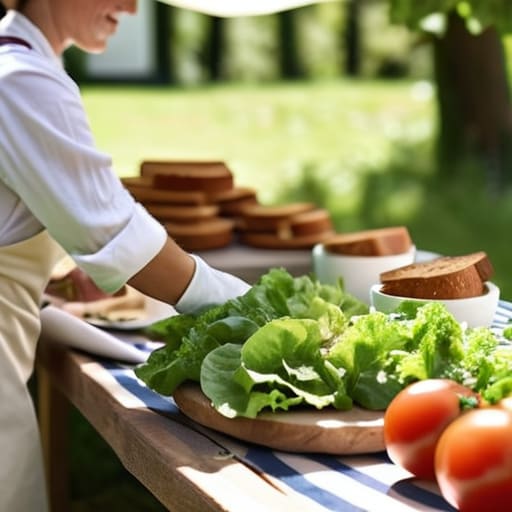
I remember a summer afternoon in the parish hall back in ’98, the air thick with the smell of lukewarm tea and something distinctly off coming from the communal sausage rolls. We had spent months fundraising for the new playground, only to have the entire committee’s morale collapse because a single tray of poorly stored meat left half the neighbors with a touch of food poisoning. It was a heartbreaking lesson in how easily a good cause can unravel; if you don’t know exactly how to handle food at an event, you aren’t just risking a few upset stomachs, you’re risking the very trust your community has placed in you.
I am not here to give you a lecture on professional catering or expensive industrial equipment that your little group could never afford. Instead, I want to share the practical, unvarnished truth about keeping people fed safely without losing your mind or your budget. I’ll show you how to manage the logistics of a buffet, keep things at the right temperature, and organize your volunteers so that the food remains a source of connection rather than a source of chaos.
Understanding How to Handle Food at an Event
When I was working in regeneration, I saw many wonderful community lunches fall apart not because people didn’t care, but because the logistics simply overwhelmed them. If you are organizing a street party or a parish hall supper, you have to realize that feeding fifty people is a different beast entirely from hosting a Sunday roast for the family. It isn’t just about the cooking; it is about the systems you put in place before the first plate is even laid out.
You don’t need a professional kitchen to do this right, but you do need a clear plan for temperature control for buffet service. I’ve seen too many well-meaning volunteers leave a tray of sausage rolls out on a warm table for three hours, only to have the whole group feel unwell by tea time. Beyond the heat, you must also be mindful of managing dietary restrictions at large gatherings. In my experience, a simple, handwritten list of ingredients next to each dish can prevent a lot of anxiety for neighbors with allergies. It’s about creating a space where everyone feels safe to sit down and enjoy themselves.
Key Things to Know
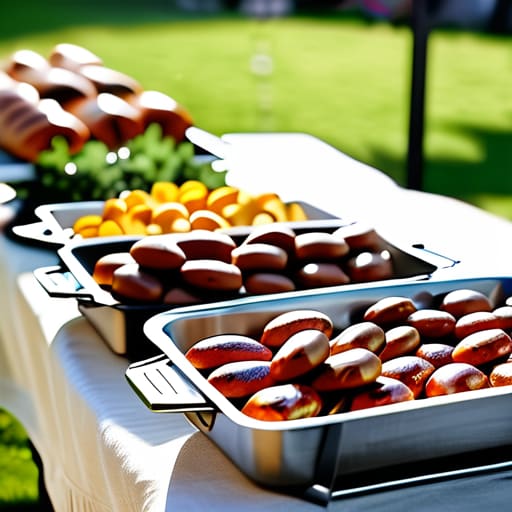
Now, I’ve seen many a lovely neighborhood tea party go sideways because someone assumed “common sense” was a substitute for a plan. If you are organizing a larger street party or a fundraiser, you really must look at serving food safely for large groups as a matter of logistics, not just intuition. I always tell my committee members that we aren’t professional chefs, but we are responsible stewards of our neighbors’ wellbeing. This means being incredibly diligent about temperature control for buffet service; a tray of sausages left lukewarm on a folding table for two hours is an invitation for trouble that no amount of community spirit can fix.
It’s also about the quiet, invisible work. You don’t need a massive budget, but you do need a clear system for managing dietary restrictions at large gatherings. I make it a rule to have every dish clearly labeled—not just for allergies, but so the person with a gluten intolerance doesn’t have to awkwardly ask five different people if the gravy is thickened with flour. If we don’t document these little details, we risk making people feel unwelcome, and that is how you lose your momentum.
Practical Tips and Steps
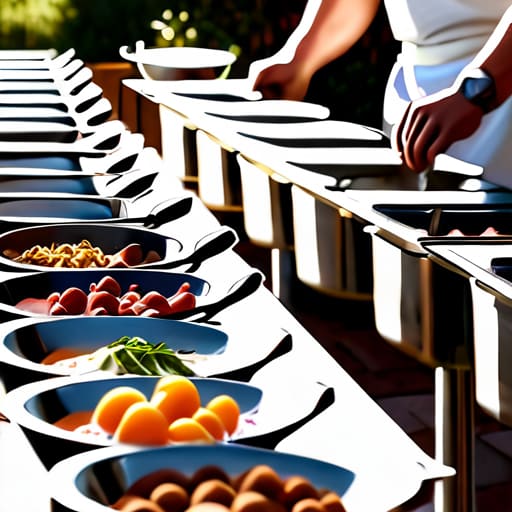
Now, let’s get down to the brass tacks of actually doing it. When I was working in regeneration, I saw many a lovely community lunch fall apart simply because the logistics weren’t sorted. My first piece of advice is to assign a “Food Lead” before you even buy the groceries. This person isn’t necessarily a chef, but they are the one responsible for temperature control for buffet service. You don’t want your potato salad sitting out in the sun for three hours while everyone is busy chatting; it’s a quick way to ruin the afternoon and, more importantly, make people ill.
Secondly, you must be organized about the plates. I always tell my committee members that managing dietary restrictions at large gatherings shouldn’t be an afterthought or a frantic conversation at the front of the queue. Use clear, handwritten labels for everything—especially for allergens like nuts or gluten. If you can, keep the vegetarian and vegan options on a separate table entirely. It’s a small bit of extra work during setup, but it prevents the chaos of people asking “is there dairy in this?” every thirty seconds, allowing the actual fellowship to happen.
Common Mistakes to Avoid
One mistake I saw time and again during my years in local government was the “hero complex”—that one person who decides they can manage the entire kitchen alone. When you’re serving food safely for large groups, you simply cannot rely on a single pair of hands. If that one person gets overwhelmed or forgets a crucial step, the whole afternoon can go sideways. It is much better to assign specific roles, like someone dedicated solely to temperature control for buffet service, rather than letting everyone wander in and out of the prep area.
Another pitfall is the assumption that everyone knows what’s in the dish. I once sat in on a parish meeting where a lovely lady’s community tea was nearly ruined because someone didn’t realize the sponge cake contained almond flour. Managing dietary restrictions at large gatherings isn’t just about being polite; it’s about being precise. You must ensure that labels are clear and that there is a physical gap between the gluten-free tray and the standard one. If you don’t take these small steps seriously, you risk more than just a bit of indigestion—you risk losing the trust of the very neighbors you’re trying to bring together.
Final Thoughts
At the end of the day, a community event is about connection, not just calories. People come to the street party or the parish hall meeting to feel part of something larger than themselves. If we get the food side of things right, we build trust; if we get it wrong, we risk losing that hard-won momentum. I’ve seen more neighborhood initiatives stumble because of a simple oversight in temperature control for buffet service than because of a lack of funding. It’s about protecting the people who show up to support you.
My advice is to keep your documentation as tidy as your serving trays. If you are delegating tasks, make sure the person in charge of the kitchen understands that serving food safely for large groups isn’t just a chore—it’s a way of looking after your neighbors. Don’t let the logistics overwhelm the spirit of the gathering. Keep your standards high, keep your records clear, and most importantly, keep the focus on the community you are working so hard to build.
My Five Golden Rules for Keeping the Kitchen (and the Committee) Safe
- Keep a clear paper trail of who is handling what; if someone brings in a homemade quiche, just make a quick note of who it was and when it arrived so you aren’t left guessing if a question arises later.
- Don’t try to be a hero with leftovers; once the event is over, the safest thing for your group’s reputation is to clear the tables and get rid of the scraps rather than trying to save money by keeping food that’s been sitting out too long.
- Set up a dedicated “clean zone” away from the main serving area, because nothing stalls a community gathering faster than a volunteer having to wash their hands in a bathroom halfway down the hall.
- Label everything clearly with ingredients, especially if you have neighbors with allergies; it’s much better to have a little handwritten card saying “contains nuts” than to have a medical emergency on your hands.
- Watch the temperature of your hot dishes like a hawk, because a lukewarm buffet is a breeding ground for bacteria and a quick way to lose the trust of the people you’re trying to serve.
The Real Cost of a Potluck
I’ve seen wonderful neighborhood initiatives stall out entirely because someone took a shortcut with the catering; if you want your committee to last, you have to treat food safety with the same seriousness you treat your bank balance.
Deborah Castellanos
A Final Note on the Table
At the end of the day, managing food for a community gathering isn’t about achieving perfection, but about managing the risks so that the focus remains on the people, not the potential for a stomach bug. We’ve looked at the importance of clear roles, the necessity of keeping hot food hot and cold food cold, and why you must never, ever skip the basic hygiene checks. If you keep your preparation organized and your documentation clear—much like the minutes I keep for my parish meetings—you’ll find that the logistics become a backdrop rather than a distraction. It’s about protecting the momentum you’ve worked so hard to build by ensuring everyone leaves the event feeling nourished rather than unwell.
I have seen so many wonderful neighborhood initiatives stumble, not because they lacked heart, but because they neglected the small, practical details that keep a group running safely. Don’t let the fear of a complicated spreadsheet stop you from setting that table. When you get the food handling right, you aren’t just serving a meal; you are creating a safe, welcoming space where neighbors can actually sit down and talk. A well-fed street is a connected street, and if you take care of the basics, you’ll find that the conversation flows much more easily. Now, go get that committee together and get cooking.
