
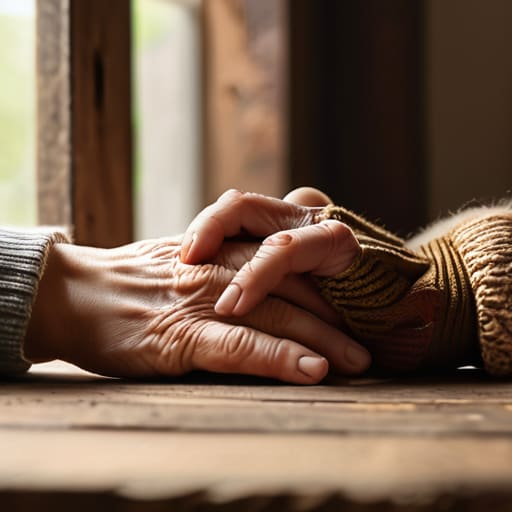
I remember sitting in a drafty church hall back in ’94, listening to a consultant drone on about “intergenerational synergy frameworks” while trying to figure out how to get three lonely widows a ride to the chemist. It was all jargon and no substance. People often think that learning how to volunteer with older people requires a degree in social work or a massive government grant, but that is a complete misconception. Most of the time, the people who need us most aren’t looking for a structured program; they are just looking for someone to sit across from them and listen without checking their watch.
I’m not here to give you any of that polished, academic nonsense. Instead, I want to share what I learned during thirty-one years of seeing what actually works on the ground. I am going to show you how to bypass the red tape and build something real—whether that is a simple tea morning or a weekly walking group. I’ll give you the practical, unvarnished steps to get started, because if you don’t write down the process, the momentum simply vanishes.
Beyond Charity How to Volunteer With Older People Effectively

When I was working in local government, I saw far too many well-meaning people treat seniors like they were fragile porcelain. That’s the first mistake. If you want to be effective, you have to move past the “pity” model and focus on genuine connection. It isn’t just about dropping off a grocery bag; it’s about social isolation prevention through real, reciprocal friendship. We aren’t there to “fix” them; we are there to witness their lives and perhaps learn a thing or two about history while we’re at it.
This requires a level of professionalism that many people overlook. Even in a casual setting, you must understand ethical boundaries in befriending. It is easy to slip into a role that feels more like a family member than a neighbor, which can create complicated dynamics if you have to step away. I always tell my small committee groups that the most successful efforts are those built on consistency and clear roles. Whether you are looking into formal senior citizen support roles or just helping a neighbor with their garden, showing up when you say you will is the highest form of respect you can offer.
Fighting Loneliness the Power of Social Isolation Prevention
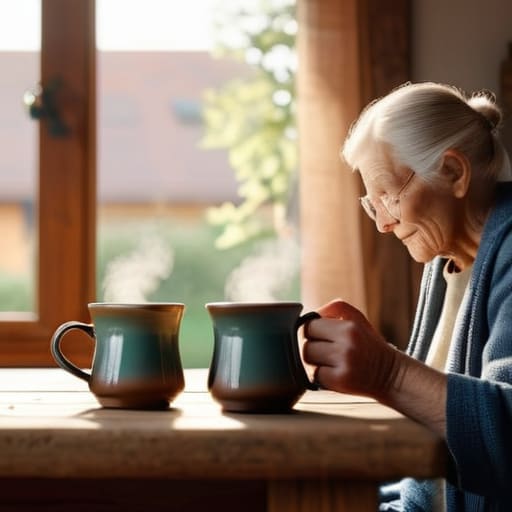
In my years working on regeneration projects, I’ve seen that the most devastating thing a person can face isn’t a lack of services, but the quiet disappearance of their social world. When a neighbor stops coming to the parish hall or the local shop, they aren’t just “staying in”—they are often slipping into a dangerous state of social isolation prevention being ignored. It isn’t about grand gestures; it’s about the consistent, small acts of showing up. A weekly tea or a fifteen-minute chat over a garden fence can be the difference between someone feeling like a ghost in their own street and feeling like a valued member of a community.
However, we must be careful not to mistake “being a friend” for “being a professional.” If you are looking into senior citizen support roles, you need to understand the distinction between companionship and caregiving. I always tell new groups that they must establish clear ethical boundaries in befriending from day one. You are there to share a conversation, not to manage their medications or solve their financial crises. If we don’t set those boundaries, we risk burnout and, more importantly, we risk overstepping in ways that can unintentionally undermine the person’s independence.
Small Teams Big Shifts Organizing Community Service for Seniors

I’ve seen too many well-meaning projects fizzle out because they tried to be everything to everyone. If you want to make a real dent in the isolation our older neighbors face, don’t start by trying to launch a massive non-profit. Instead, gather a small, reliable group—maybe five or six people from your street or church—and focus on a specific, manageable task. Whether it’s a weekly tea or a grocery run, a tiny, organized team can provide much more consistent community service for seniors than a large, disorganized crowd ever could.
The secret to longevity is structure. You don’t need a complex manual, but you do need a clear understanding of ethical boundaries in befriending. When you’re working in close quarters, people often get too involved in personal matters that aren’t their business, which leads to burnout. I always tell my groups: keep your roles defined. If you decide to provide companionship, treat it with the same respect you’d give a professional role. By setting these simple ground rules early on, you ensure your little committee stays focused, stays sane, and—most importantly—stays together.
The Respectful Connection Mastering Ethical Boundaries in Befriending
When I was working in local government, I saw too many well-meaning people walk into a senior’s living room and immediately start acting like they were in charge. That is where we trip up. If you want to offer genuine support, you have to understand that you are a guest in their life, not a supervisor. Maintaining ethical boundaries in befriending isn’t about being cold or distant; it’s about recognizing that the person sitting across from you has decades of autonomy that you must respect. You aren’t there to “fix” their life or reorganize their pantry unless they specifically ask you to.
True senior citizen support roles rely on a foundation of mutual respect rather than a hierarchy of care. I’ve seen community groups crumble because a volunteer overstepped, perhaps by sharing too much of their own personal drama or, conversely, by treating the elder like a child. It is vital to keep the focus on their stories and their pace. If we don’t establish these clear, gentle lines from the very first visit, we risk turning a beautiful connection into something patronizing, which is the quickest way to lose their trust entirely.
Beyond Presence Professionalizing Senior Citizen Support Roles
In my thirty years at the council, I saw far too many well-meaning groups fizzle out because they treated their work like a casual chat rather than a commitment. If you want your group to last, you have to move past the idea that showing up is enough. You need to treat your senior citizen support roles with a level of seriousness that reflects the responsibility involved. This doesn’t mean you need a degree in social work, but it does mean you need a bit of structure.
I always tell my neighbors that consistency is the bedrock of trust. When we talk about providing support, we aren’t just offering a friendly face; we are stepping into a role that requires a certain standard of conduct. Implementing basic volunteer training for caregivers—even if it’s just a shared folder of guidelines and a monthly check-in meeting—ensures that everyone is on the same page. It prevents that messy middle ground where people feel overwhelmed or, worse, where they accidentally overstep. When you professionalize the way you operate, you aren’t losing the warmth; you are actually protecting it.
Scaling Care From Elderly Companionship Services to Volunteer Training
Once you have a small group of reliable neighbors working together, the natural next step is to move from one-on-one visits to a more structured system. I’ve seen many lovely initiatives fizzle out because they relied entirely on the energy of a single person. To truly grow, you need to formalize your approach through proper volunteer training for caregivers. This doesn’t mean you need a degree in social work, but it does mean ensuring everyone understands the basics of safety, listening, and, most importantly, maintaining those ethical boundaries in befriending that keep the relationship healthy for both sides.
Scaling up also means shifting your focus from simple companionship to more organized senior citizen support roles. Instead of just “helping out,” you might assign specific tasks—one person manages the rota, another handles the small pot of funds, and a third coordinates the transport. When you document these roles clearly, you stop being a loose collection of well-meaning individuals and start becoming a local institution. It’s about building a framework that can outlast the original founders, ensuring the support remains steady even when the seasons change.
Five Practical Ways to Get Moving Without Losing Your Way
- Don’t try to save the whole parish at once. Pick one specific task—like a weekly tea or a grocery run—and do it well. It’s much better to have one reliable Tuesday visit than a grand plan that falls apart by month two.
- Keep a simple logbook. I’ve seen too many wonderful initiatives crumble because someone forgot who held the keys or which neighbor preferred their tea with milk. Write down the small details; they are the glue that holds a group together.
- Listen more than you talk. When I was working in regeneration, I learned that the people living the experience are the real experts. If you’re visiting a senior, let them tell you the history of the street first. You’re there to support their life, not to redesign it.
- Establish a “buddy system” for your volunteers. Working with older people can be emotionally heavy if you aren’t prepared. Having a quick ten-minute chat with another volunteer after a visit helps you process things and prevents burnout.
- Get a proper paper trail early. If you’re working as part of a small group, make sure you have a clear way to record what’s been done and what’s been spent. Even if it’s just a shared notebook, having a record prevents the confusion that usually kills community spirit.
## The Real Work of Connection
“Don’t go in there thinking you’re ‘helping’ someone who has nothing to offer; go in there as a neighbor, because the most important thing you’ll bring to the table isn’t your time, it’s your willingness to actually listen to the history they’re carrying.”
Deborah Castellanos
The Last Word
Looking back at everything we have discussed, it is clear that supporting our older neighbors is about much more than just being “nice.” It requires a shift in mindset—moving away from mere charity and toward a model of professionalized, respectful companionship. We have covered how to build effective small teams, the necessity of maintaining ethical boundaries, and how to scale your efforts from simple visits to structured volunteer training. If you take nothing else away from this, remember that effective community work relies on structure. Whether you are managing a small fund or a formal befriending scheme, having a clear process ensures that the support remains consistent even when the initial enthusiasm of the volunteers inevitably fluctuates.
I have seen far too many wonderful initiatives crumble simply because no one bothered to write down the rules of engagement or keep a proper record of their progress. Don’t let your efforts be one of them. If you can grab a few dedicated neighbors, establish a bit of order, and show up with genuine, dignified intent, you won’t just be helping individuals—you will be weaving a stronger social fabric for your entire street. It isn’t about grand gestures or massive government grants; it is about the small, documented steps that turn a group of strangers into a reliable community. Now, stop reading and go find your first committee member.
