

I remember sitting in a drafty community hall three years ago, watching a perfectly good neighborhood revitalization project fall apart simply because half the committee couldn’t figure out how to get to the evening meetings. We had the passion and we certainly had the vision, but we were hamstrung by a lack of basic logistics. People often think you need a massive municipal budget or a high-tech consultant to solve connectivity issues, but that’s a myth. Most of the time, the struggle isn’t about a lack of money; it’s just the frustration of not knowing how to find local bus information that actually works in the real world.
I’m not here to give you a lecture on urban planning or point you toward complicated government databases that haven’t been updated since the nineties. Instead, I want to share the practical, boots-on-the-ground methods I’ve learned through decades of local government work. I will show you how to bypass the digital noise and find the reliable schedules your group actually needs to stay connected. We are going to focus on simple, repeatable steps so that your next meeting isn’t missed just because someone couldn’t find the right route.
Understanding How to Find Local Bus Information
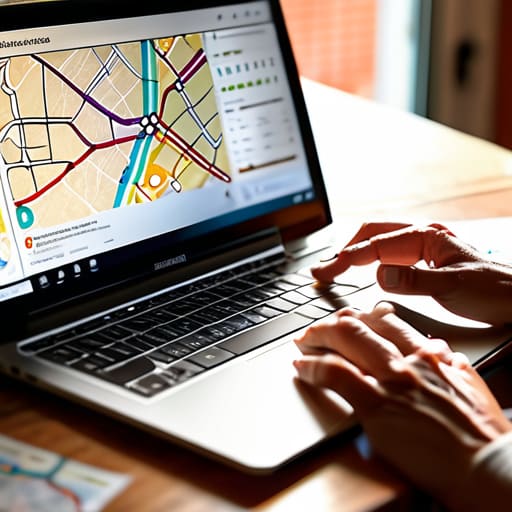
Now, before we start organizing a neighborhood walking group or a community shuttle, we have to know what we’re actually working with. I spent years in local government, and if there is one thing I learned, it’s that you can’t fix a problem until you’ve looked at the raw data. Your first port of call should always be the local transit authority website. It might look a bit dated—most government sites do—but it is the only place where you will find the official, legally binding bus route maps and service updates. Don’t rely on hearsay from the post office; get the source material.
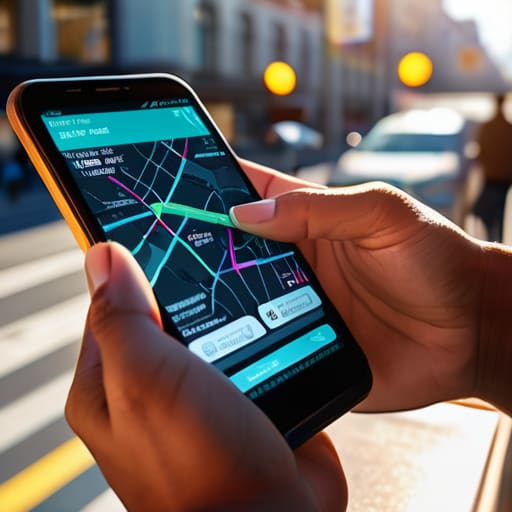
Once you have the basics, you’ll want to see how the service actually performs in the real world. This is where I suggest everyone in your committee downloads a few public transit apps. These are wonderful for checking real-time bus tracking, which tells you if the 42 is actually coming or if it’s stuck in traffic three streets over. Having this information at your fingertips means your group can plan meetings or outings with actual confidence, rather than standing around a damp corner wondering where the bus has gone.
Key Things to Know
Before you start rallying the neighbors, you need to know exactly what you’re working with. I’ve learned from years of community work that enthusiasm is wonderful, but accurate data is what keeps a group from collapsing into frustration. Your first port of call should always be the local transit authority website. It’s often dry reading, but it is the single source of truth for official service changes or planned maintenance that might disrupt your group’s plans.
Once you’ve got the basics, I suggest looking into real-time bus tracking through various public transit apps. There is nothing quite as demoralizing for a small committee—especially one trying to organize a community outing—as standing at a stop for forty minutes only to realize the bus was cancelled. If you can show your members exactly where the vehicle is on a digital map, you build a sense of reliability and trust in the system you are trying to navigate. It turns a chaotic wait into a managed schedule, which is the first step toward any successful local campaign.
Practical Tips and Steps

Now, if you’re sitting in a committee meeting trying to solve a transport gap, don’t just rely on hearsay. I’ve learned the hard way that “I think the bus comes at ten” is how projects fall apart. Start by visiting your local transit authority website to get the official facts. Print out the physical bus route maps and bring them to your next neighborhood gathering. Having something tangible to point at on a kitchen table makes the problem feel much more solvable for people who aren’t tech-savvy.
Once you have the basics, I suggest encouraging your group to download a few reliable public transit apps. These are marvelous for real-time bus tracking, which takes the guesswork out of waiting at a lonely stop in the rain. If you are organizing a community outing or a group trip to the shops, having everyone look at the same digital schedule ensures nobody is left standing on the curb. It’s about building a collective confidence; once the group knows exactly where the bus is, they stop feeling stranded and start feeling empowered.
Common Mistakes to Avoid
One mistake I saw constantly during my years in local government was relying solely on outdated paper printouts. People would gather at the community centre, clutching a crumpled sheet from three years ago, only to find the service had been rerouted or cancelled. It’s a recipe for frustration. Instead of working from memory or old flyers, I always tell my committees to check the local transit authority website first. Information changes fast, and if you aren’t looking at the source, you’re essentially planning your neighborhood’s mobility on guesswork.
Another pitfall is assuming that everyone in your group has the same level of digital literacy. While I personally find real-time bus tracking to be an absolute godsend for avoiding rain at an empty stop, not every elderly neighbor will be comfortable navigating complex public transit apps. Don’t let the tech gap divide your group. My advice is to bridge that divide by printing out clear, updated bus route maps for those who prefer a physical copy. If we don’t make the information accessible to everyone, we aren’t really building a community; we’re just building a club.
Final Thoughts
At the end of the day, getting a handle on your local transport isn’t just about knowing when the next vehicle arrives; it’s about reclaiming your independence. When we, as a small group, take the time to study the local transit authority website or pin up physical bus route maps in the community centre, we are doing more than just reading schedules. We are building a collective knowledge base that ensures no one in our neighbourhood is left stranded or feeling isolated simply because they didn’t know which stop to stand at.
I’ve seen too many wonderful community initiatives stumble because they relied on guesswork rather than solid information. Don’t let that be your group. Whether you are teaching a neighbour how to use real-time bus tracking on their phone or simply printing out a clear timetable for the elderly, you are creating stability for your street. Take these steps, write down what you’ve learned, and keep those notes safe. After all, a well-informed community is a community that actually moves forward together.
Five Ways to Get the Local Routes Sorted
- Don’t just rely on your phone; go down to the local library or community centre. I’ve found that the physical maps and printed timetables they keep behind the desk are often more reliable than a glitchy app when you’re trying to plan a group outing.
- Form a small “transit sub-committee” within your group. Assign one person the job of checking the council website once a week for service changes, so you aren’t caught off guard when a route is suddenly diverted.
- Keep a physical notebook of the most useful stops and times. I keep a little ledger of the bus numbers that actually serve our neighbourhood, because once the information is written down by a person, it stays useful for the next person who joins the group.
- Talk to the drivers if you can. It sounds old-fashioned, but a quick word with the driver about which stops are actually accessible for those with prams or wheelchairs can save your committee a massive headache on the day of an event.
- Cross-reference the official council data with what people are actually saying on local community boards. If the official timetable says the 402 comes at 10:05, but everyone on the street knows it doesn’t show up until 10:20, write that down—it’s the real-world truth you actually need.
Knowledge is the First Step to Connection
“Information isn’t just a list of times and stops; it’s the map that tells a lonely neighbor they aren’t stuck, and it’s the tool a small committee uses to prove that our community is still moving forward together.”
Deborah Castellanos
A Final Note on Moving Forward
Looking back at what we have covered, it really comes down to being proactive rather than waiting for the information to land in your lap. Whether you are digging through local council websites, downloading the latest transit apps, or simply striking up a conversation with a regular commuter at the stop, the goal is the same: knowledge is your greatest tool. Don’t let a lack of a clear timetable or a confusing route map stop you from getting where you need to go. Remember to keep your notes organized—I still keep a little ledger of everything I find—because having a reliable set of details is what turns a frustrating journey into a predictable one.
At the end of the day, knowing how to navigate your local bus service is about more than just catching a ride; it is about maintaining your connection to the community. When we understand how our local infrastructure works, we are much better equipped to advocate for it. If the service is poor, don’t just grumble over the garden fence—use that information to gather a few neighbors and make a formal case for improvement. A small, organized group that knows the facts is a force to be reckoned with. Don’t just be a passenger in your own neighborhood; take the reins and help shape how your street moves.
