

I spent thirty-one years in local government, and if there is one thing I’ve learned, it’s that people make finding community work far more complicated than it needs to be. You’ll see these glossy websites and massive national databases promising to connect you with your soul’s purpose, but half the time, they’re just shouting into a void. Most people searching for how to find local volunteering end up feeling more disconnected than when they started, lost in a sea of endless sign-up forms for projects that don’t actually exist on their street. It’s frustrating because the real work isn’t happening behind a digital curtain; it’s happening in the drafty church halls and the community gardens right around the corner.
I’m not here to give you a lecture on corporate social responsibility or hand you a list of soul-crushing administrative tasks. Instead, I’m going to show you how to look past the digital noise and find the actual gaps in your neighborhood that need filling. I’ll share the practical, boots-on-the-ground methods I used during my years in regeneration to spot where help is truly needed. We’re going to focus on real impact—the kind that starts with a conversation and ends with a tangible change in your own postcode.
Stop Searching Start Seeing How to Find Local Volunteering
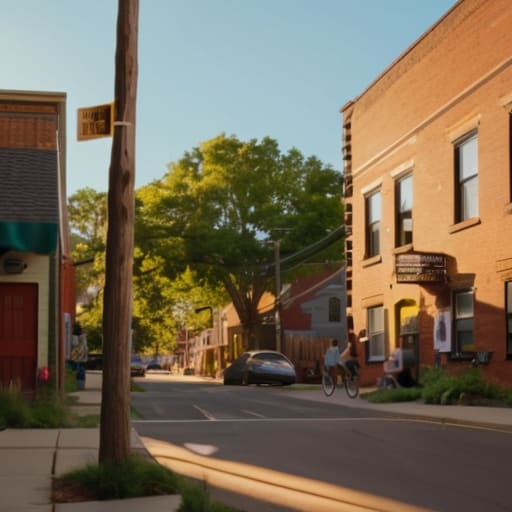
Most people make the mistake of sitting down at a computer and typing “community service near me” into a search bar, hoping a perfect role will just pop up. I spent thirty years in local government, and if there is one thing I learned, it is that the most vital work rarely makes it onto those glossy volunteer recruitment websites. Those platforms are fine for a bit of light admin, but they often miss the heartbeat of the neighborhood. If you want to find where you are truly needed, you have to stop looking at screens and start looking at the street corners.
Instead of scrolling, I suggest you walk your local high street or visit the parish hall. Look for the posters taped to the windows or the handwritten notes on the community noticeboard. That is where the real local charity opportunities live—the small, scrappy groups that are often too busy doing the work to manage a digital presence. You might find a food pantry that needs a steady hand or a youth club looking for a mentor. The best way to find meaningful work is to show up in person and ask, “What is the one thing you wish you had more hands for?”
Beyond the Search Bar Navigating Nonprofit Volunteer Programs

Now, if you’ve exhausted the obvious options, you need to look toward established nonprofit volunteer programs. These aren’t just about handing out soup; they are structured organizations with specific, often overlooked needs. I’ve spent decades seeing wonderful people drift away because they weren’t given a clear role. If you want to avoid that, look for skills-based volunteering. If you were an accountant, don’t just offer to tidy the shed—offer to help them balance the books. That is how you provide real, lasting value that keeps a charity’s head above water.
Don’t get bogged down in the endless scrolling of volunteer matching platforms, either. They can be a bit overwhelming, much like a parish council meeting with forty people and no agenda. Instead, I suggest a more direct approach: pick a cause that actually irritates you or moves you, and then walk through the front door. Most local charity opportunities are managed by people who are far too busy to update a website properly. A polite conversation in person will often reveal more about their actual needs than any digital listing ever could.
Hack the Algorithm Using Volunteer Matching Platforms Effectively

Now, I know what you’re thinking: why bother with a website when you could just walk down to the community centre? Don’t get me wrong, nothing beats a face-to-face chat, but volunteer matching platforms can be a real godsend if you know how to use them. Most people just type “community service near me” into a search bar and click the first thing that pops up. That’s a mistake. You’ll end up with a list of generic tasks that don’t suit your schedule or your temperament.
Instead, you need to treat these sites like a specialized directory. If you have a background in accounting, teaching, or even just a knack for organizing spreadsheets, don’t just look for “general help.” Look for skills-based volunteering. These platforms allow you to filter for roles that actually respect your expertise. It’s much more rewarding to offer a charity your professional talents than to spend three hours sorting donated tins of beans when you could be helping them balance their books. Use the filters, be specific about your availability, and don’t be afraid to be picky about where your time goes.
From Scrolling to Solving Finding Meaningful Volunteer Work
The trouble with most people I meet in my line of work is that they get stuck in the “browsing” phase. They spend weeks looking at lists of local charity opportunities on their screens, but they never actually step onto the pavement. There is a massive difference between ticking a box for a CV and actually feeling the weight of a community’s needs in your hands. If you want to move past the surface level, you have to stop looking for a job description and start looking for a gap that needs filling.
I often tell my friends that finding meaningful volunteer work isn’t about finding the perfect organization; it’s about finding the right problem. Perhaps a local food bank doesn’t need more hands to pack boxes, but they desperately need someone with an accounting background to tidy their books. That is what I call skills-based volunteering. When you offer what you actually know how to do, you aren’t just a pair of extra hands—you become a vital part of the machinery that keeps a neighborhood running.
The Power Move Mastering Skills Based Volunteering for Impact
Now, if you really want to see the needle move, you have to stop thinking about volunteering as just “showing up” to move boxes or sort cans. While that work is vital, there is a more strategic way to contribute. I call it the power move: skills-based volunteering. Think about what you actually do between nine and five. Are you an accountant? A carpenter? A retired teacher? When you offer those specific talents to a local organization, you aren’t just giving them your time; you are giving them infrastructure.
I’ve seen so many wonderful little neighborhood projects stumble because they had plenty of enthusiasm but zero grasp of a budget or a marketing plan. Instead of just browsing generic community service near me listings, look for the gaps. A local food bank might need someone to fix their website or organize their filing system. When you apply your professional expertise, you provide a level of stability that most small nonprofits simply can’t afford to hire out. It is the most efficient way of finding meaningful volunteer work that actually leaves a lasting footprint on your street.
Scouting the Streets Uncovering Hidden Local Charity Opportunities
Now, if you really want to get your hands dirty, you have to step away from the screen. I spent three decades in local government, and I can tell you that the most vital work often happens in the spaces between the official websites. You won’t find the small, grassroots groups—the ones actually feeding the elderly or clearing the overgrown allotments—on the major volunteer recruitment websites. Instead, you’ll find them on a damp, hand-printed noticeboard in the village hall or tucked inside a parish newsletter.
I’ve always found that the best way to uncover these local charity opportunities is to simply watch the rhythm of your own street. Notice which community garden is struggling with its weeding, or which local food bank seems to be running low on tins. Don’t wait for a formal call to action; just walk in and ask. Often, these tiny organizations are so busy doing the work that they’ve forgotten to ask for help. A quick chat with a local shopkeeper or a glance at the church bulletin can reveal more real, immediate needs than any digital search ever could.
Five Ways to Spot a Real Need Before You Even Leave Your House
- Watch the noticeboards in the local library or the post office; the most urgent, unglamorous needs—like someone needing help with a weekly shop or a community garden needing weeding—never make it onto a fancy website.
- Keep your ears open during the Sunday coffee hour or at the local pub; people tend to talk about what’s actually broken in the neighborhood when they aren’t trying to sound professional.
- Look for the “orphaned” projects—those small initiatives that have plenty of passion but no secretary to take minutes or treasurer to manage the pennies—because that is where your organizational skills will actually make a difference.
- Walk your own street with a fresh pair of eyes; if you see a playground that’s falling into disrepair or a communal area that’s overgrown, you’ve likely just found your first project.
- Check the minutes of your local parish or town council meetings; they are a goldmine for finding out exactly which community groups are struggling to find hands and which ones are about to fold due to lack of support.
The Best Opportunities Aren't Online
You won’t find the real heart of your community by scrolling through a website; you find it by walking down the high street, noticing which community centre has a drafty door that needs fixing, and asking the person behind the counter where the actual work is being done.
Deborah Castellanos
From Looking to Leading
We have covered a lot of ground, from the digital ease of matching platforms to the more tactile, old-fashioned method of simply walking down your high street to see who is actually doing the work. Whether you are leveraging your professional skills for a nonprofit or finding a small, quiet role in a local charity, the common thread is that action beats intention every single time. Don’t get bogged down in the endless scrolling or the fear of picking the “wrong” role. The goal isn’t to find a perfect job description; it is to find a place where your presence actually moves the needle. Remember, the best way to understand a community’s needs is to stop observing from the sidelines and start showing up where the work is being done.
I spent thirty years in local government watching brilliant ideas wither away simply because no one took the first step to organize. You don’t need a massive budget or a formal invitation from the council to make a difference. Sometimes, all it takes is one person deciding to turn their curiosity into a commitment. If you find a gap in your neighborhood, don’t just complain about it over tea—fill it. Once you find that first opportunity, hold onto it, write down what works, and keep going. That is how real, lasting change begins.
