

I remember standing in a drafty church hall in 1994, surrounded by three dozen half-filled clipboards and a group of neighbors who were all shouting at once about the cost of bunting. We were trying to figure out how to plan a community event for the summer fair, but instead of actually organizing, we were just spinning our wheels in a sea of unrecorded opinions. It was a classic case of a good idea dying because nobody had bothered to write down who was responsible for what. I learned then that passion is wonderful, but without a bit of structure, it’s just a recipe for a very loud, very expensive headache.
I’m not here to give you a glossy, corporate manual or a list of expensive software to download. My approach is much more grounded: I want to show you how to harness that local energy using the same practical, step-by-step methods I used during my thirty years in local government. I will walk you through the unglamorous but essential bits—the roles, the records, and the small, sensible decisions—that ensure your event doesn’t just happen, but actually succeeds.
Understanding How to Plan a Community Event

Before you start booking bouncy castles or ordering tea and biscuits, you have to look at the bones of the thing. In my years at the council, I saw so many lovely ideas crumble simply because people mistook a “good afternoon” for a “solid plan.” You aren’t just throwing a party; you are building a structure. This means deciding early on whether you’re aiming for a quiet garden gathering or a street-wide festival. A huge part of this is your event venue selection—if the ground is too uneven for the elderly or the space is too cramped for prams, you’ve lost half your neighbours before you’ve even started.
Once you know the where and the what, you need to think about the who. I always tell my committee members that a plan is only as strong as the people holding it up. This is where you look at your community engagement strategies to ensure you aren’t just preaching to the converted. You want the quiet folks, the new families, and the skeptics to feel like there is a seat at the table for them. If you don’t map out how you’ll actually reach them, you’ll end up with a very organized event that nobody attends.
Key Things to Know

Before you start booking anything, you need to get your ducks in a row regarding the people involved. I’ve seen so many lovely ideas fall apart because everyone assumed someone else was handling the heavy lifting. My best volunteer management tips always start with clarity: don’t just ask for “help,” ask for “someone to manage the tea station from 2 PM to 4 PM.” When people know exactly where they fit, they stay engaged, and you won’t find yourself doing everything yourself by the time the first bunting goes up.
You also have to think about the practicalities of where and how you’ll actually reach your neighbors. Choosing the right spot is about more than just a pretty view; it’s about accessibility. I always suggest a thorough event venue selection process that considers whether the local elderly residents can get there easily or if the pavement is too uneven for prams. Once you have the place, you need to make sure the word gets out—not just through a single Facebook post, but through old-fashioned, reliable community outreach methods like posters in the chemist or a chat at the church gates.
Practical Tips and Steps
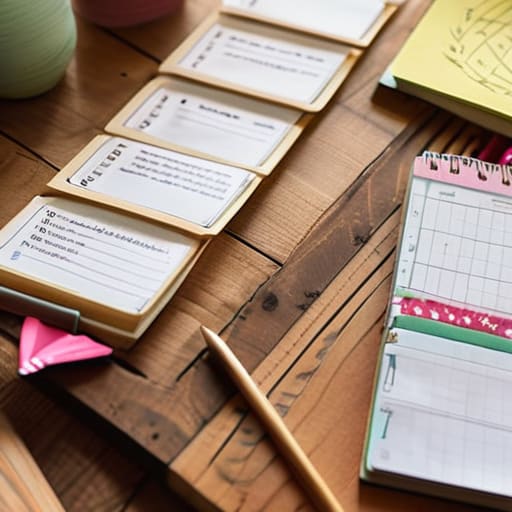
First, you need to get your ducks in a row before you even think about booking a marquee. I’ve seen too many lovely ideas crumble because the person in charge tried to do everything themselves. Instead, sit down with your committee and divide the work. One person handles the money, another manages the tea and biscuits, and someone else keeps an eye on the schedule. A simple bit of volunteer management tips goes a long way here; if you assign clear roles early on, nobody feels overwhelmed, and more importantly, nobody forgets who was supposed to pick up the bunting.
Next, let’s talk about the physical space. When you are looking at event venue selection, don’t just pick the prettiest spot. Think about the practicalities: Is there a toilet nearby? Is it accessible for the elderly neighbours? I always tell people to walk the site twice—once when it’s sunny and once if it’s raining. Once you have the location settled, start your outreach. Don’t just rely on a Facebook post; a handwritten note through a letterbox or a chat over the garden fence is often the most effective way to make sure the whole street actually feels invited.
Common Mistakes to Avoid
The biggest pitfall I see—and I’ve seen it dozens of times in my thirty years in local government—is trying to do everything yourself. People often mistake “doing it all” for “being a leader,” but that’s just a recipe for burnout. If you don’t delegate, you aren’t running a group; you’re just running a marathon with no finish line. I always tell my neighbors that effective volunteer management tips start with knowing when to let go. If you don’t spread the workload across a small committee, the whole thing will collapse the moment you need to take a week off.
Another mistake is neglecting the “boring” paperwork in favor of the “fun” stuff. You might have a brilliant idea for a street party, but if you haven’t checked the insurance or the local council’s permits, you’re building on sand. I once saw a lovely garden project fall apart simply because no one had documented the permission agreements from the neighbors. Don’t let your enthusiasm outpace your organization. Always keep a paper trail; it’s the only way to ensure the next group doesn’t have to start from scratch.
Final Thoughts
At the end of the day, don’t let the paperwork or the logistics intimidate you. I’ve seen more wonderful street parties fizzle out because people were too afraid of making a mistake to even start. You don’t need a professional project manager; you just need a few reliable neighbors and a clear set of notes. If you can manage your volunteer management tips and keep a tidy record of who promised what, you are already ahead of most professional organizations I worked with during my years in local government.
Remember, the goal isn’t perfection—it’s connection. Whether you are scouting for the perfect park or looking into local event sponsorship ideas to cover the cost of a marquee, keep your eyes on the people. If the neighbors feel involved, they will show up. Even if the tea runs out early or the music is a bit too loud, the memory of everyone standing together on the pavement is what stays. Write it down, keep it simple, and just get started.
Five things I’ve learned from thirty years of watching groups succeed (and fail)
- Don’t try to do it all yourself; a single person carrying the whole event is a recipe for burnout, so make sure you have at least three people sharing the heavy lifting.
- Write everything down in a simple notebook or a shared folder, because if the person who organized the tea and coffee moves away, the next person needs to know which supplier actually shows up on time.
- Keep your budget realistic and always, always set aside a small “oops” fund for the things you inevitably forget, like extra bin liners or more napkins than you thought you’d need.
- Check your local council’s website early for any permits or public liability insurance requirements; there is nothing quite as disheartening as having a lovely plan only to have it shut down on the morning of the event.
- Focus on the small, practical details that make people feel welcome, like clear signage or a designated spot for elderly neighbors to sit, because a community event is about connection, not just spectacle.
The Secret to a Successful Event
A community event isn’t just about the day itself; it’s about the quiet work done in a drafty village hall three months prior, where the real magic happens in the minutes and the shared sense of purpose.
Deborah Castellanos
A Final Word Before You Get Started
Looking back over everything we’ve discussed, it really does come down to the basics. You need a clear plan, a tiny bit of structure to keep the chaos at bay, and most importantly, a group of people who are willing to show up. We’ve talked about avoiding those common pitfalls—like trying to do everything yourself or forgetting to write down your decisions—which are the very things that cause even the best intentions to fizzle out. If you can manage your budget, delegate the small tasks, and keep a clear record of what was decided, you are already miles ahead of most. It isn’t about perfection; it is about having a solid foundation so that when the day arrives, you can actually enjoy the community you’ve worked so hard to bring together.
At the end of the day, don’t let the paperwork or the logistics intimidate you into staying on the sidelines. I spent thirty years watching neighborhoods transform, and it never happens through grand government gestures; it happens because a few neighbors decided to host a tea party or a street sale. A community event is more than just a date in the diary; it is a way of stitching a street back together. So, grab your notebook, find your five or six reliable people, and just begin. You might find that once that first event is over, you won’t just have a successful afternoon, you’ll have the start of something that truly lasts.
