

I remember sitting in a drafty church hall back in ’94, watching a perfectly good neighbourhood scheme dissolve into nothing because the chairperson thought sending a polite, vague email was enough to get things moving. People often think that knowing how to contact your councillor requires some sort of formal, high-level political strategy or a professional lobbyist, but that is a complete waste of time. In my thirty-one years in local government, I’ve seen more progress made by a resident who knows exactly which door to knock on than by a hundred people sending “strongly worded” letters that end up in the recycling bin before the tea gets cold.
I’m not here to give you a lecture on political theory or a list of bureaucratic jargon. Instead, I’m going to give you the practical, boots-on-the-ground truth about getting a response from the people who actually hold the purse strings. I will show you how to bypass the polite silence and ensure your voice is actually heard and recorded. If you want to move from complaining about the state of your street to actually changing it, this is where we begin.
Stop Shouting at Clouds How to Contact Your Councillor
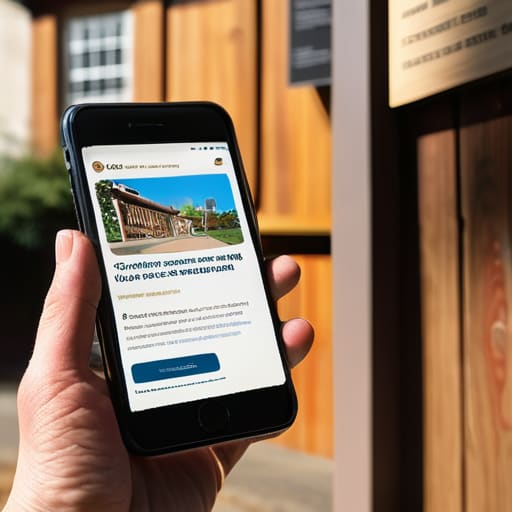
I’ve spent thirty years in local government, and if there is one thing I’ve learned, it’s that shouting into the void of a Facebook community group rarely fixes a pothole or secures a playground grant. You can vent until you’re blue in the face, but that isn’t progress. If you want to see real movement, you have to stop treating the council like a distant, faceless entity and start treating your representative like a person with a job to do. Finding your ward councillor is the first step, and it’s usually much easier than people think—most have their details tucked away on the council website or even a little noticeboard near the library.
Once you have that email address or phone number, don’t just send a frantic, one-sentence complaint. Be specific. When you are contacting local authority members, treat it like a mini-briefing. Tell them what the problem is, how it affects the street, and what you want them to do about it. If you really want to make an impression, show up at one of their scheduled sessions; attending council surgeries is often the most effective way to ensure your voice isn’t just another unread email in a crowded inbox.
Finding Your Ward Councillor Locating Your Local Seat of Power

Now, before you can start making demands, you need to know exactly whose door to knock on. I spent three decades in local government, and I can tell you that people often waste weeks emailing the wrong department when they should have been speaking to their specific representative. Finding your ward councillor isn’t as difficult as the bureaucracy makes it seem, but you do have to be methodical. Your first port of call should always be your local council’s website; they usually have a simple search tool where you can pop in your postcode to see exactly who is representing your patch.
Once you have a name, don’t just assume they are a faceless entity in a suit. Every councillor has a specific role in providing constituent services and support, and they are actually quite used to being approached by residents. I always suggest looking for their “surgeries”—those little windows of time where they sit in a community hall or library specifically to listen. Attending council surgeries is much more effective than sending a polite, lonely email into the digital void. It puts a face to the problem, and in my experience, it’s much harder to ignore a person standing right in front of you.
The Art of Local Government Representation Making Them Listen

Once you’ve tracked them down, you have to understand that they aren’t just names on a website; they are people with schedules, politics, and—thankfully—a duty to you. The real secret to effective local government representation isn’t just sending a polite email and hoping for the best. It’s about showing up. I’ve seen so many lovely community projects stall simply because the residents never moved past the “sending an enquiry” stage. If you want results, you need to master the art of attending council surgeries. These face-to-face slots are where the real work happens; it is much harder for a representative to ignore a concerned neighbour standing right in front of them than a digital message lost in an inbox.
When you do sit down with them, don’t just vent about the potholes or the bins. Approach it as a partner in problem-solving. When contacting local authority members, bring a bit of evidence—perhaps a few photos or a brief note on how the issue affects the street’s safety. If you frame your concern as a way to help them deliver better services for the ward, you aren’t just another complaining constituent; you become a valuable ally.
How to Raise a Local Issue Without Getting Ignored
If you send a vague, angry email that simply says “the potholes are terrible,” you’ve already lost. I learned this the hard way during my years in regeneration; if you don’t give them something they can actually do, they’ll just file your complaint under ‘general grumbling’ and move on. When learning how to raise a local issue, you must be surgical. Don’t just describe a problem; describe the impact. Don’t say the streetlights are out; say that Mrs. Higgins from number 42 can no longer see the kerb to get to her door safely at dusk.
The most effective way to bypass the digital void is by attending council surgeries. These are those little windows of time where councillors sit in a community hall or library to meet people face-to-face. It is much harder to ignore a person standing right in front of you with a printed photograph of a broken swing set than it is to ignore an inbox notification. Go there, be polite but firm, and ask specifically about constituent services and support for your particular problem. It’s about making it impossible for them to say they weren’t told.
Attending Council Surgeries Putting a Face to the Demand
Now, if you really want to move the needle, you have to stop hiding behind an email inbox. There is something about sitting across a desk from someone that changes the entire energy of a conversation. Attending council surgeries is where the real work happens. It’s much harder for a representative to give you a polite, non-committal shrug when you are sitting right there, explaining how the broken streetlights are affecting the elderly residents on your corner.
When you show up in person, you aren’t just another name on a spreadsheet; you become a person with a story. I always tell my neighbours to bring a small folder of notes—not a manifesto, just the facts. If you can show them a photo of the pothole or a list of three neighbours who share your concern, you are providing the kind of constituent services and support data they actually need to take action. It turns a vague complaint into a documented problem. Just remember to be polite but firm; you aren’t there to have a chat over tea, you are there to ensure your voice is part of the official record.
Demanding Constituent Services and Support to Fix Your Street
Now, this is where things often fall apart. People think that once they’ve sent an email, the job is done. It isn’t. You aren’t just asking for a favour; you are requesting the constituent services and support that you are entitled to as a resident. If there is a broken streetlight or a pothole that’s swallowing tyres, that is a service failure. Don’t let them brush you off with a polite “we’ll look into it.” When I was working in regeneration, I saw too many brilliant ideas die because people were too polite to ask for a deadline.
If you aren’t getting a response, you need to escalate. This isn’t about being a nuisance; it’s about being a persistent neighbour. If your councillor is silent, move up the chain to contacting local authority members or the relevant department heads directly. I always tell my gardening group: keep a paper trail of every single interaction. If you don’t have a record of who promised what and when, you’re just shouting into the void. Hold them to their word.
Five things I’ve learned from thirty years of getting things done
- Keep a paper trail of every single interaction. I know it feels formal, but if you have a phone call, follow it up with a polite email saying, “Just to confirm what we discussed…” It prevents that awkward “I never said that” moment when things go sideways.
- Don’t go it alone. One person complaining is a nuisance; five neighbours sending the same email is a voting bloc. When you show them that a whole street is watching, they tend to move a lot faster.
- Be the person with the solution, not just the problem. Instead of just saying “the park is a mess,” try saying “the park is a mess, and we’ve identified three specific spots that need clearing.” It makes it much harder for them to pass the buck.
- Respect the rhythm of the council year. Don’t expect a miracle in the middle of the Christmas holidays or right before a major election. Learn when they are actually sitting in committee, because that’s when the real decisions are being whispered about.
- Learn their “language” without being a bore. You don’t need to be a policy expert, but knowing terms like ‘ward budget’ or ‘planning application’ shows them you aren’t just a passerby—you’re a constituent who actually knows how the machine works.
## The paper trail of progress
You can spend your evenings venting to your neighbours over the garden fence, but that won’t fix a broken streetlight or a dangerous junction. If you want something to actually change, you have to get out of the garden and into their office; a councillor might ignore a moan, but they find it much harder to ignore a polite, written record of a constituent’s request.
Deborah Castellanos
A final word before you get to work
We have covered a lot of ground, from finding exactly who sits on your ward committee to the practicalities of showing up at a surgery with a clear, written demand. Remember, the goal isn’t to win a shouting match or to overwhelm them with grievances; it is about becoming a known quantity. Whether you are demanding a pothole be filled or pushing for a new community garden, the secret lies in being organized, being persistent, and most importantly, being documented. If you speak to them, write a follow-up note. If they promise a fix, keep a record of that promise. Don’t let your hard work vanish into the ether just because someone forgot to take a minute.
At the end of the day, local government can feel like a vast, impersonal machine, but it is actually just a collection of people. Your councillor is your neighbour, and they are often just waiting for someone to show them where the real priorities lie. Don’t let the fear of a formal meeting or a complicated email stop you from stepping up. A small, determined group of residents who know how to navigate these channels can do more for a street than a thousand angry social media posts. Go out there, make your voice heard, and let’s get those streets looking the way they ought to.
