
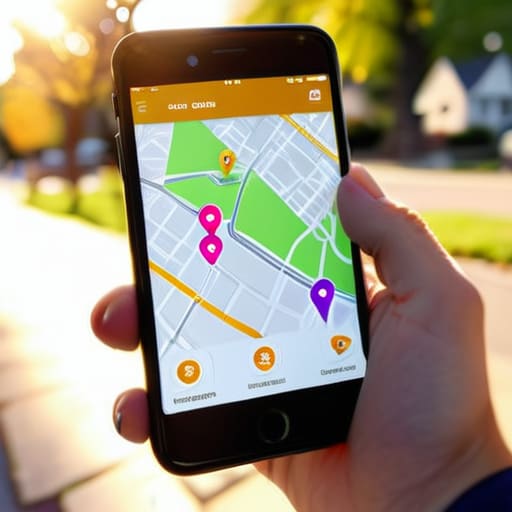
I remember sitting in a drafty community hall back in ’94, staring at a pile of glossy, overpriced brochures for “consultancy firms” that promised to revitalize our high street. It was a total waste of time. People think that learning how to find local services means clicking through endless, soul-crushing search engine results or paying a premium for some slick agency to do the legwork for you. But after thirty-one years in local government, I can tell you that the best help isn’t found behind a paywall or a fancy digital interface; it’s usually found just two doors down if you know where to look.
I’m not here to give you a list of websites that will just harvest your data. Instead, I want to share the practical, boots-on-the-ground methods I used during my years in neighbourhood regeneration to connect people with the real experts. I will show you how to skip the middleman, verify who is actually reliable, and build a trusted network of providers that your community can actually depend on. We aren’t looking for polished advertisements; we are looking for people who show up.
Stop Searching Alone How to Find Local Services Together

The mistake I see most often—and I saw it plenty during my years in local government—is people trying to solve every problem in isolation. You sit at your kitchen table, staring at a screen, trying to navigate a maze of websites to find a handyman or a gardener, feeling like you’re shouting into a void. But when you start finding neighborhood assistance as a collective, the math changes. If one person needs a repair, they might struggle; if six neighbors pool their small monthly contributions, you aren’t just a person with a problem, you’re a client with actual bargaining power.
Instead of wandering aimlessly through a generic local service provider search, I want you to look toward your neighbors. Start by building your own little “street directory.” I always tell people to look past the glossy advertisements and focus on navigating community aid through word-of-mouth and shared experiences. When we share our lists of who showed up on time and who actually did the work, we create a safety net that no digital directory can match. It turns a series of lonely transactions into a shared community asset.
Mapping the Hidden Wealth of Community Resource Directories

Now, don’t go thinking you have to reinvent the wheel every time a neighbor needs a hand. One of the biggest mistakes I saw during my years in local government was people overlooking the goldmines already sitting in their local libraries or community centres. Most towns have these wonderful, dusty community resource directories that list everything from tool libraries to volunteer transport schemes. They aren’t always flashy or easy to find on a smartphone, but they are the backbone of navigating community aid effectively.
I always tell my committee friends: before you spend a penny of your group’s funds, go and have a proper chat with your local council officer. They can point you toward specific local government support services that are often tucked away in the fine print of council websites. It’s not about a quick Google search; it’s about finding the actual people who hold the keys to the resources your street needs. I’ve spent many an afternoon digging through old files, and I can tell you, the most reliable information is usually found in a conversation, not an algorithm.
Beyond Google Navigating Community Aid Like a Pro

Now, I know what you’re thinking—you’ve already spent an hour staring at a search engine and all you’ve found are paid advertisements for companies that don’t even know your postcode. If you want to get serious about navigating community aid, you have to stop looking at the top of the search results and start looking at the people who actually hold the keys. I spent three decades in local government, and I can tell you that the most vital information isn’t always indexed by an algorithm. It’s tucked away in the dusty files of the local council library or held by the person who runs the community center.
When you are finding neighborhood assistance, your best bet is to look for the “connectors.” These are the folks who know exactly which local government support services are currently well-funded and which ones are stretched thin. Don’t be afraid to walk into your local ward office or a neighborhood hub and ask, “Who actually does the work around here?” Often, the most reliable help comes from a small, local provider that hasn’t even bothered to build a website yet. Real community work happens in the gaps between the digital pages.
Unlocking the Power of Local Government Support Services
Now, don’t make the mistake I saw a dozen times during my years in local government: assuming the council is just a giant, faceless machine that doesn’t care about your street. In reality, there is a wealth of local government support services sitting right under your nose, often tucked away in dusty leaflets or obscure corners of a municipal website. The trick isn’t just finding the main office; it’s knowing which specific department holds the keys to the grants or the equipment you actually need.
I always tell my neighbors that finding neighborhood assistance shouldn’t feel like a scavenger hunt. Instead of wandering aimlessly through official portals, try to find the local community liaison officer or the ward councillor. They are the human bridge between your committee’s ideas and the formal resources available. They can point you toward specific schemes for street lighting, communal gardening, or even help with accessing social care services if your group is looking to support older residents. It’s about moving past the generic search bar and getting a direct line to the people who actually manage the budget.
The Direct Path to Accessing Social Care Services
Now, I must be very clear: when we talk about accessing social care services, we aren’t just talking about fixing a broken streetlight or organizing a flower show. We are talking about the vulnerable people living right next door—the elderly widow on number forty-two or the young family struggling with a new disability. These aren’t matters you solve with a quick Google search or a casual chat over the garden fence. You need to know exactly which door to knock on at the council to ensure someone actually gets the support they are entitled to.
In my thirty years in local government, I saw too many families fall through the cracks simply because they didn’t know the formal process. Don’t let that happen in your street. Start by contacting your local authority’s adult social care team directly for a formal assessment; this is the official gateway to professional help. However, don’t stop there. Often, the most immediate relief comes from combining these formal channels with the informal help you’ve already mapped out through your community resource directories. It’s about layering that professional care with the local, human touch.
Smart Tactics for Finding Neighborhood Assistance Fast
When things get urgent, the temptation is to panic and start clicking every link on the first page of a search engine. I’ve seen many well-meaning neighborhood committees burn through their initial energy—and their small budgets—simply because they were chasing ghosts online. Instead of aimless scrolling, you need to develop a bit of a systematic approach to finding neighborhood assistance. If a neighbor’s roof is leaking or an elderly resident needs immediate help, don’t just rely on an algorithm; go straight to the source.
The quickest way to cut through the noise is to leverage your existing connections to trigger a local service provider search that actually yields results. I always tell my committees to keep a physical “contact binder” for the street. This shouldn’t just be a list of phone numbers, but a curated log of who actually showed up when called. By combining these personal notes with a quick glance at your official community resource directories, you can bypass the guesswork. It’s about being deliberate rather than desperate, ensuring that when a crisis hits, you aren’t starting from zero.
Five Practical Ways to Get the Help You Need Without the Headache
- Don’t rely solely on the internet; go to the local library or the parish hall and ask the person behind the desk. They often have physical leaflets and “insider” knowledge about small, local providers that haven’t bothered to set up a website yet.
- Form a small “information circle” with three or four neighbors. When one of you finds a reliable plumber, a good local carer, or a helpful community group, write it down and share it. It stops everyone from having to reinvent the wheel every time a problem crops up.
- Check the noticeboards in places where people actually gather, like the church foyer or the local post office. These boards are often the first place a new community service will post a flyer before they ever make it to a digital directory.
- Call the local council’s non-emergency lines or community liaison officers directly. Instead of navigating a maze of websites, ask for a human being who can point you toward the specific department or charity that handles your particular need.
- Keep a simple, shared notebook or a digital document for your street or committee. If you find a service that actually works, record their name, their contact person, and what they cost. This way, the knowledge stays in the community even if people move on.
The Secret in the Paperwork
You can spend all morning staring at a glowing screen, but if you want to find the help your street actually needs, stop clicking and start listening; the real resources aren’t always in an algorithm, they’re tucked away in the parish noticeboard or held by the neighbor who’s been fixing things for forty years.
Deborah Castellanos
A Final Word on Getting Things Done
We have covered a lot of ground, from digging through those dusty local government directories to realizing that the real gold is often sitting right in your own neighbor’s toolkit. Remember, finding local services isn’t just about a clever Google search; it is about connecting the dots between the formal support systems—like social care and council services—and the informal, wonderful networks of people living right next door. Whether you are looking for professional help or a bit of neighborhood assistance, the key is to stop looking at these services as separate entities and start seeing them as a unified web of support that is waiting to be tapped into.
If there is one thing I have learned from thirty years in regeneration, it is that nothing changes because someone waited for a formal invitation. You don’t need a massive budget or a grand council mandate to make a difference; you just need the initiative to reach out and the sense to write down what works. Don’t let the complexity of it all stall your momentum. Grab a notebook, find a couple of reliable neighbors, and start making those calls. Once you see how these local resources can actually transform a street, you will realize that the power to improve your community has been in your hands all along.
