

I remember sitting in a drafty church hall back in ’94, watching a group of well-meaning retirees crumble because they thought they needed a massive non-profit structure and a government grant just to plant some marigolds. They spent six months arguing over bylaws and ended up with nothing but a pile of wilted seedlings and a lot of resentment. Most people will tell you that learning how to volunteer in retirement requires joining a massive, soul-crushing charity or committing to a rigid, pre-set schedule that leaves you feeling more like an unpaid employee than a neighbor. That is a complete waste of your time and energy.
I am not here to give you a list of glossy brochures or high-level philanthropic theories. I’m going to show you how to bypass the bureaucracy and get straight to the work that actually matters. My goal is to teach you how to gather a handful of people, manage a small pot of money, and make a tangible difference on your own doorstep. This is about practical, no-nonsense community building that stays alive long after the first meeting ends.
The Power of Six How to Volunteer in Retirement
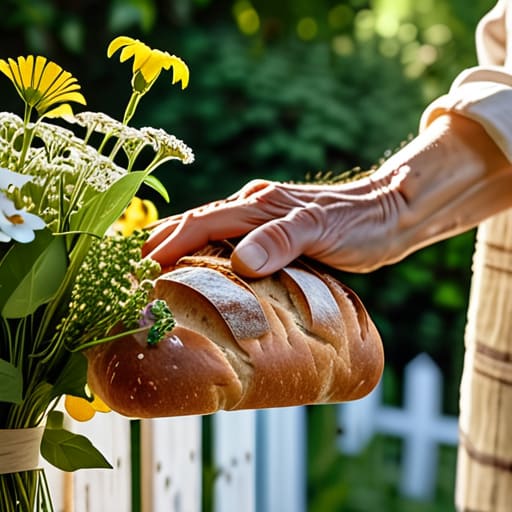
Now, I’ve spent three decades in local government, and if there is one thing I’ve learned, it’s that people often get lost looking for massive, sweeping charities when they should be looking at their own front gates. When people ask me about finding meaningful volunteer opportunities, they usually imagine signing up for a massive, structured program with a clipboard and a uniform. But that isn’t where the real magic happens. The real change starts when you stop looking for a “job” and start looking for a gap in your own street.
I always tell my friends: don’t wait for a formal invitation from a nonprofit. Instead, look for those small, messy problems—the neglected planter box, the lack of a street party, or the lonely elderly neighbor. By using professional skills in retirement, such as my old knack for organizing committees or your ability to balance a ledger, you can form a tiny, effective unit. You don’t need a cathedral of volunteers; you just need a small, dedicated group of six people who are willing to show up, keep a proper set of minutes, and manage a modest pot of money.
Turning Decades of Wisdom Into Purpose Driven Retirement Activities

When I left my desk at the council, I realised I hadn’t just left a job; I’d left a toolkit. For thirty years, I had been trained to spot a bottleneck in a project or a gap in a budget before it even became a problem. I quickly learned that using professional skills in retirement isn’t about recreating your old office life, but about applying that hard-won logic to things that actually matter to your neighbors. Whether you were an accountant, a teacher, or a clerk, those skills are the glue that keeps a local initiative from falling apart.
The mistake many people make is thinking they need to start from scratch with something entirely new. In reality, the most effective way to find purpose-driven retirement activities is to look at the local groups already struggling to stay afloat. They don’t just need more hands to pick up litter; they need someone who knows how to chair a meeting without it descending into chaos. By stepping into these specific nonprofit roles for retirees, you aren’t just “keeping busy”—you are providing the structural backbone that allows a community to actually thrive.
Beyond Helping Using Professional Skills in Retirement for Impact

After thirty-one years in local government, I learned that most small charities don’t actually lack passion; they lack a decent spreadsheet or a clear set of minutes. When people talk about using professional skills in retirement, they often think of grand gestures, but the real impact is much more granular. I’ve seen local gardening clubs struggle simply because no one knew how to manage a small grant application or organize a basic committee meeting. If you spent your career in accounts, HR, or project management, you hold the keys to a nonprofit’s survival.
Instead of just showing up to rake leaves, I encourage my friends to look for nonprofit roles for retirees that require a bit of structural thinking. You might find yourself acting as a treasurer for a youth club or helping a local heritage group draft their constitution. It isn’t about doing more work; it’s about applying that specialized knowledge to ensure the group doesn’t fold when the founding members move on. It is about providing the administrative backbone that allows the “heart” of the community to keep beating.
Finding Meaningful Volunteer Opportunities That Actually Change Streets
When I was working in local government, I saw countless well-intentioned projects fizzle out because people were looking for “charity” rather than tangible change. If you want to move beyond just passing time, stop looking for vague tasks and start looking for gaps in your own postcode. You don’t need a massive charity structure; you need to look at the broken bench, the overgrown communal garden, or the lack of a youth club. Finding meaningful volunteer opportunities isn’t about signing a generic sheet at a community centre; it’s about spotting a specific local problem that a small, organised group can actually solve.
I often tell my friends that the real magic happens when you stop being a “helper” and start being a facilitator. Instead of just donating your time to a large, faceless organisation, look for those small, local committees that are struggling with paperwork or governance. This is where purpose-driven retirement activities truly shine. By applying your years of experience to help a tiny neighbourhood group get their finances in order or draft their first constitution, you aren’t just volunteering—you are building the scaffolding that allows a street to transform itself.
Strategic Moves Navigating Structured Volunteer Programs and Nonprofit Role
Now, I must caution you: there is a world of difference between helping out at a bake sale and stepping into a formal role. While those casual moments are lovely, I’ve seen many well-meaning people drift away because they weren’t given a clear remit. If you want to stay engaged, I suggest looking into structured volunteer programs that offer a bit more scaffolding. These aren’t about being “managed”—heaven knows we’ve all had enough of that in our working lives—but about having a clear set of expectations. When you know exactly what is expected of you, you’re far less likely to feel like you’re just spinning your wheels.
I often tell my friends that exploring nonprofit roles for retirees is the best way to ensure your efforts actually stick. Instead of just providing labor, look for positions where you can help with the “boring” but essential bits: the governance, the minute-taking, or the policy oversight. It’s about finding a place where your history of professional competence meets a genuine need. When you step into these more formal structures, you aren’t just “helping out”; you are providing the stability that keeps these vital organizations from folding.
The Real Benefits of Volunteering for Seniors and Communities
I’ve seen it happen too many times in my thirty years at the council: a well-meaning group of neighbors gathers to fix a local park, only to fizzle out because the initial spark wasn’t sustained by a sense of shared duty. When we talk about the benefits of volunteering for seniors, it isn’t just about staying busy or passing the time between church bell rehearsals. It is about the profound shift that occurs when you realize your presence actually matters to the person living three doors down.
For many of us, the real magic lies in purpose-driven retirement activities that bridge the gap between our old professional lives and our new, slower pace. It isn’t just about “helping out”; it is about the mental sharpness required to navigate a committee meeting or the satisfaction of seeing a small grant finally put a new bench in the square. When you find that right fit, you aren’t just a retiree—you are a vital pillar of the neighborhood, providing the steady hand and the documented wisdom that keeps a community from drifting apart.
Five Practical Rules for Not Wasting Your Best Years
- Don’t just show up; show up with a plan. I’ve seen too many lovely intentions dissolve because no one decided who was responsible for the tea or the filing. If you’re joining a group, ask them how they make decisions. If they don’t have a process, offer to help them write one down.
- Watch out for the “hero trap.” It is tempting to walk into a community project and try to fix everything you see, but that is a fast track to burnout. Aim to be a reliable part of a committee, not the sole engine driving it. A group needs steady hands, not just a single whirlwind.
- Keep a paper trail from day one. It sounds terribly dry, I know, but I have a drawer full of defunct parish committee minutes that prove exactly why certain projects died—usually because the person in charge left and took all the “how-to” knowledge with them. Write down your meetings, even if it’s just a few bullet points in a notebook.
- Check the plumbing before you decorate. Before you commit to a major volunteer role, look at the group’s boring stuff: Do they have a functioning bank account? Is there a clear way they handle money? If the administrative bones are broken, even the most passionate volunteer will eventually feel the strain.
- Treat your time like the finite resource it is. In my thirty-one years in local government, I learned that “yes” is a heavy word. It is much better to commit to two hours of meaningful, structured work every Tuesday than to promise the world and end up feeling guilty when you can’t keep up.
The Paper Trail of Progress
Don’t just show up to lend a hand; show up to build a structure. A well-kept minute book and a clear set of rules are what turn a fleeting moment of neighborly kindness into a lasting community legacy.
Deborah Castellanos
A Final Word on Getting Started
We have covered a lot of ground, from the strategic way to apply your professional skills to the simple, gritty reality of organizing a small group of neighbors. Whether you are looking to join an established nonprofit or you want to start something entirely new—like a tiny committee with its own modest bank account—the principle remains the same. It isn’t about finding the “perfect” role that waits on your doorstep; it is about identifying a gap in your community and stepping into it with intention. Remember, the most successful projects I saw in my thirty years of local government weren’t the ones with massive budgets, but the ones where people actually showed up and kept written records of what worked.
Retirement shouldn’t be a period of winding down, but rather a time to refine your focus. You have spent decades learning how the world works; now is the time to use that clarity to make it work a little better for the people living right next door. Don’t wait for a formal invitation or a grand committee to form. Grab a notebook, find a few like-minded souls, and start making those small, documented changes that eventually transform a whole street. You might be surprised to find that the impact you leave behind is far more rewarding than any career milestone ever was.
