

I remember sitting in a drafty parish hall back in ’94, staring at a pile of expensive, glossy flyers that we’d spent our tiny budget on, only to realize not a single soul in the village had actually seen them. We had followed all the “professional” advice, yet the room stayed empty because we’d focused on the wrong things. People will tell you that you need a massive social media campaign or a fancy digital marketing budget to get noticed, but they are dead wrong about how to promote an event locally. If you want real bodies in seats, you don’t need an algorithm; you need boots on the ground and a bit of old-fashioned grit.
In my thirty-one years in local government, I’ve seen more community projects fail due to poor outreach than due to lack of funding. I’m not here to give you a lecture on digital analytics or expensive advertising tricks that don’t work for a small street committee. Instead, I am going to show you the practical, low-cost methods that actually move people. I’ll share exactly how to use your existing networks to ensure your neighbors don’t just hear about your event, but actually show up.
Understanding How to Promote an Event Locally

Before you start printing flyers or posting on Facebook, you have to understand that promoting a local event isn’t about shouting the loudest; it’s about knowing exactly where your neighbors’ eyes land during their daily routines. In my years working on regeneration projects, I learned that the most effective neighborhood outreach methods aren’t the ones that reach thousands of strangers, but the ones that reach the twenty people living on your immediate street. You aren’t looking for “users” or “consumers”—you are looking for the lady who walks her terrier at 10:00 AM and the shopkeeper who knows everyone’s name.
The mistake most small committees make is treating promotion like a massive, expensive campaign. It isn’t. It’s about intentionality. You need to map out your local ecosystem. This means looking at where people naturally congregate, whether that’s the noticeboard in the village hall or the communal area of the housing estate. I always tell my groups to look for local business partnerships first; a small cafe might not give you money, but they will give you a prime spot on their counter for a stack of posters. That’s real, boots-on-the-ground visibility.
Key Things to Know

Before you start printing flyers or posting on Facebook, you need to understand that your biggest asset isn’t a fancy budget—it’s your existing connections. I’ve seen so many lovely initiatives fizzle out because they tried to shout at everyone at once instead of talking to the right people. You have to lean into neighborhood outreach methods that actually feel personal. If you’re planning a street party, a digital ad won’t do nearly as much as a polite conversation over a garden fence or a well-placed notice in the church hall.
Another thing I’ve learned from thirty years in local government is the power of reciprocity. Don’t just ask people to show up; find ways to make them feel part of the fabric. This is where local business partnerships become your secret weapon. If the corner shop puts a poster in their window, they aren’t just helping you; they are showing their customers that they care about the street. It’s about building a web of support, rather than just throwing a net and hoping you catch something.
Practical Tips and Steps
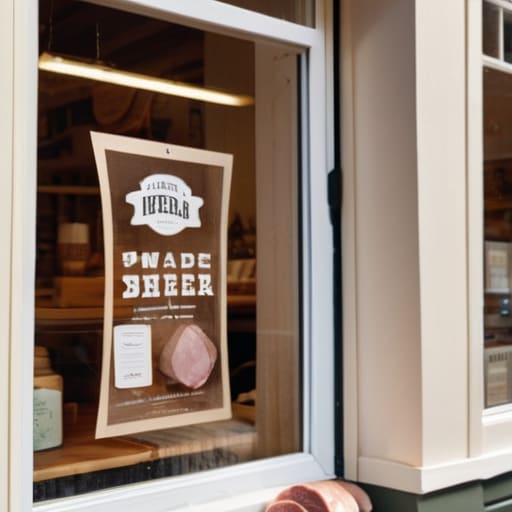
Now, let’s get down to the brass tacks of it. You don’t need a massive marketing budget to get the word out; you just need a bit of elbow grease and a clear plan. I always tell my former colleagues that the best neighborhood outreach methods involve actually being seen. Don’t just hide behind a Facebook page. Print out some simple, clear flyers—not those glossy, expensive ones, just something readable—and put them in the windows of the local butcher, the chemist, and the post office. People still look at their shop windows when they walk to the shops, and that physical presence builds a sense of legitimacy that a digital ad simply can’t match.
Once you have the basics covered, start looking at local business partnerships to amplify your voice. Ask the cafe owner if you can leave a stack of notices by the till, or perhaps see if the local hardware store will mention your event in their newsletter. It’s about building a web of support. I’ve seen so many lovely ideas wither away because the organizers forgot to talk to the people who already hold the community’s attention. If you can get three or four local pillars to say, “Yes, this is happening,” you’ve already won half the battle.
Common Mistakes to Avoid
One mistake I saw constantly during my years in local government was the tendency to go “big” too soon. People often think they need a massive budget or a fancy website, but they end up neglecting the simplest neighborhood outreach methods. I’ve seen committees spend their entire small pot of money on a glossy flyer that nobody actually reads, while the local post office noticeboard stays empty. If you aren’t physically present in the spaces where your neighbors linger, you aren’t really promoting anything; you’re just making noise in a vacuum.
Another pitfall is the “silo” approach—trying to do everything yourselves without looking outward. It is incredibly tempting to keep the work within your small committee, but you miss out on the strength of local business partnerships. When the corner shop or the local café doesn’t know about your event, you’ve lost your most effective megaphone. Don’t treat your neighbors like a target audience to be managed; treat them like partners in the process. If you don’t build those bridges early, your event will always feel like an imposition rather than a community milestone.
Final Thoughts
At the end of the day, don’t let the paperwork or the fear of a quiet room stop you from starting. I’ve seen too many wonderful ideas wither away simply because someone was too intimidated to pick up a clipboard or send that first flyer. You don’t need a massive marketing budget or a degree in communications; you just need a bit of grit and a clear event marketing checklist to keep your feet on the ground.
If you can get even a handful of people to commit to a few neighborhood outreach methods, you’ve already done the hardest part. Whether it’s a chat over a garden fence or a quick note in the parish newsletter, these small, human connections are what build real momentum. Remember, the goal isn’t perfection—it’s presence. Once you get that first group together, you’ll find that the community is much more eager to show up than you might think. Just keep a record of what worked, write it down, and keep moving forward.
My Five Golden Rules for Getting the Neighbors Through the Door
- Don’t rely on Facebook alone; digital is fine, but a physical poster in the window of the local chemist or the post office is what people actually see while they’re out walking the dog.
- Use the “Noticeboard Network”—if you can get the vicar, the shopkeeper, and the librarian to mention your event, you’ve already won half the battle.
- Word of mouth is your strongest currency, so don’t just post an announcement; ask five reliable people to personally tell three other neighbors about it.
- Keep your messaging plain and simple—people don’t want a manifesto, they just want to know what time it starts, what it costs (ideally nothing), and if there will be tea.
- Always have a physical sign-up sheet or a very clear way for people to ask questions, because if they feel lost before they’ve even arrived, they won’t bother coming at all.
The Heart of the Matter
You can print a thousand glossy flyers, but they won’t mean a thing if you haven’t first sat down with the people who actually live on the corner; local promotion isn’t about broadcasting a message, it’s about making sure your neighbors feel like they were part of the invitation from the very start.
Deborah Castellanos
A Final Word Before You Get Moving
Looking back at everything we’ve discussed, it really comes down to the basics. You don’t need a massive marketing budget or a professional PR firm to get the word out. It’s about the relentless consistency of your message—whether that’s a hand-drawn flyer on the chemist’s window, a polite post in the neighborhood Facebook group, or simply chatting with the lady at the post office. Avoid the trap of trying to do everything at once and making mistakes that leave you exhausted. Instead, focus on those small, reliable touchpoints that build familiarity. Remember, the goal isn’t just to fill a room; it’s to ensure that the people who matter most actually know they are invited to belong.
As I look back on my thirty-one years in local government, I’ve seen countless wonderful ideas wither away simply because the organizers lost momentum. Don’t let your event be one of them. Promotion is more than just noise; it is the way you signal to your neighbors that something meaningful is happening right on their doorstep. If you have your committee of six ready and your bank account sorted, you have already done the hard part. Now, go out there and start the conversation. A single well-placed poster or a warm word in passing can be the spark that turns a quiet afternoon into the start of something that truly changes your street.
