

I remember sitting in a drafty community hall back in ’94, watching a perfectly reasonable group of neighbors dissolve into shouting matches because nobody could remember if the council had actually received their formal complaint about the crater on Elm Street. They spent three hours arguing about who sent the email rather than focusing on the fact that the road was still broken. Most people think that learning how to report a road problem requires a law degree or a direct line to the Mayor, but that’s just a myth that keeps our streets crumbling. The truth is much simpler, though it does require a bit of organized grit to make sure your voice doesn’t just vanish into a digital black hole.
I’m not here to give you a lecture on municipal bureaucracy or a list of links that lead to dead ends. Instead, I am going to show you how to document, track, and escalate your concerns so they actually get seen. I’ll share the exact methods I used during my thirty years in local government to ensure a single complaint turns into a documented necessity. We aren’t just clicking buttons; we are building a paper trail that the council cannot ignore.
Stop Shouting at the Potholes and Start Taking Action

We’ve all been there: standing on the curb, staring at a crater in the tarmac, and venting to whoever happens to be walking their dog. It feels cathartic, but it doesn’t fill the hole. In my thirty years in local government, I learned that shouting into the wind—or even posting a frustrated rant on a neighborhood Facebook group—rarely moves the needle. If you want actual results, you have to move past the venting stage and enter the realm of formal documentation.
The trick is to stop treating it like a personal grievance and start treating it like a technicality. Instead of just complaining, you need to navigate the official pothole repair request process. This means getting specific. Don’t just say “the road is bad”; say “there is a three-inch deep fissure at the corner of Elm and Third.” When you are reporting street damage online, treat the form like a witness statement. The more clinical and precise you are, the harder it becomes for the council to brush you off. You aren’t just a frustrated driver anymore; you are a citizen providing necessary data.
The Paper Trail Mastering How to Report a Road Problem
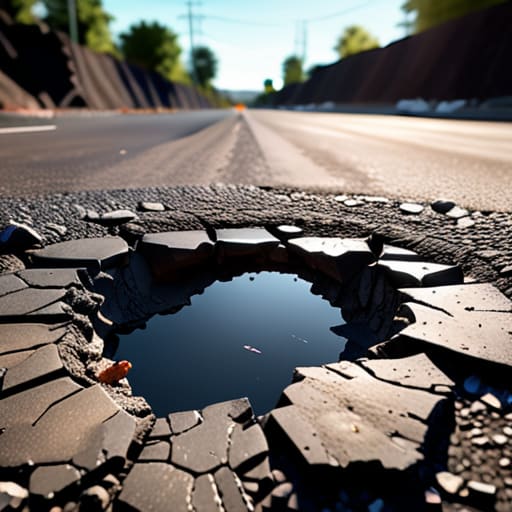
Now, here is where most people lose their momentum. They see a crater in the tarmac, they feel the jolt in their spine, and they vent to their neighbor over the garden fence. But a complaint without a record is just noise. If you want to move the needle, you have to treat this like a formal matter. Most councils now have a specific reporting street damage online portal, which is a godsend if you know how to use it. Don’t just click “submit” and walk away. When you go through that pothole repair request process, make sure you include the exact location—not just “near the old oak tree,” but the nearest house number or junction.
I’ve spent thirty years watching officials navigate bureaucracy, and I can tell you: they thrive on specifics. If you are reporting damaged traffic signs or other highway safety hazards, take a photograph. A picture provides the evidence that makes it much harder for them to claim the issue is “within acceptable limits.” Once you’ve submitted it, write down the reference number in a notebook. I keep a small ledger for these things. If they don’t respond, you aren’t just a frustrated driver anymore; you are a citizen with a documented paper trail.
Navigating the Municipal Road Repair Procedures Without Losing Sanity

Now, this is where most people throw their hands up and give up. You go to the council website, click through five different menus, and end up in a digital labyrinth that feels designed to discourage you. Whether you are reporting street damage online or trying to find a specific form for a broken curb, the trick is to stop treating it like a conversation and start treating it like a transaction. You aren’t asking for a favor; you are notifying them of a failure in their service.
When you finally reach the actual pothole repair request process, don’t just send a vague complaint about “the road being bad.” I learned this the hard way during my years in local government: specificity is your only currency. If you are reporting damaged traffic signs or a particularly nasty dip in the asphalt, give them the exact coordinates or the nearest house number. If you can, take a photo. A clear image attached to your digital report makes it much harder for a clerk to simply file it away in a drawer. Keep a copy of your reference number, too—documentation is your best friend when you need to follow up.
Digital Demands Efficiently Reporting Street Damage Online
Now, I know what some of you are thinking: “Deborah, I’ve tried the website and it’s a black hole.” You aren’t wrong. Most municipal portals feel like they were designed by someone who has never actually stepped foot on a pavement. However, reporting street damage online is still your best bet for creating a digital footprint that the council can’t simply ignore. When you use their official form, you aren’t just sending a complaint; you are generating a reference number. That number is your lifeline. Without it, you’re just shouting into the wind.
When you sit down to fill out that form, don’t be vague. If you are reporting damaged traffic signs or a particularly nasty crater, treat it like a mini-investigation. Take a photo from a distance to show the context, and another close-up to show the depth. Mention if it’s a highway safety hazard for cyclists or elderly pedestrians. If you can, note the nearest house number or lamp post. It’s much harder for them to claim they “couldn’t locate the issue” when you’ve provided the exact coordinates.
From Pothole Repair Request Process to Highway Safety Hazards Reporting
Now, there is a distinct difference between a nuisance and a danger. I spent three decades in local government, and I can tell you that the folks in the maintenance department prioritize differently depending on how you frame the issue. If you are just following the standard pothole repair request process, you are essentially asking for a cosmetic fix to keep the cars from rattling. That is fine, but it sits at the bottom of the pile.
If you want eyes on the problem immediately, you need to shift your language toward highway safety hazards reporting. A deep pothole is a nuisance; a pothole that forces a cyclist into oncoming traffic or a broken streetlamp that plunges a crosswalk into darkness is a liability. When you report damaged traffic signs or obscured markings, you aren’t just complaining about upkeep—you are flagging a public safety risk. In my experience, once you move from “maintenance” to “safety,” the bureaucracy tends to move a little bit faster. It’s about knowing which lever to pull to get the right person to actually pick up a shovel.
Building Your Committee to Secure Local Government Road Maintenance Contact
Now, here is where most people stumble. They try to fight the council alone, and frankly, they get ignored. If you want to actually reach a local government road maintenance contact who does more than just send a template rejection, you need a small, disciplined team. I’m talking about a committee of six. You don’t need experts; you need a clerk to keep the minutes, a treasurer to hold a tiny pot of funds for postage or printing, and a few neighbors with different temperaments—some who can be polite on the phone and others who aren’t afraid to be a bit firm in a public meeting.
When you approach the authorities as a formal group rather than a single disgruntled resident, the conversation changes. You aren’t just a person complaining about a bump in the tarmac; you are a documented community entity. This group becomes your backbone when you are navigating the pothole repair request process or if you need to escalate matters regarding reporting damaged traffic signs. Having a committee means you have a paper trail that survives even if one person moves away or loses interest. It ensures the momentum stays alive.
Five Rules for Making Sure Your Report Doesn't End Up in a Filing Cabinet
- Take your own photos before the rain washes everything away. A clear picture of the depth of a pothole or a cracked curb tells a much better story to a council inspector than a vague email ever will.
- Keep a simple logbook of every single interaction. If you call the highways department, write down the date, the time, and the name of the person you spoke to; I’ve seen too many good causes die because nobody could prove what was actually promised.
- Don’t just report the damage, report the danger. If a pothole is forcing cars to swerve into the path of cyclists or pedestrians, use those specific words in your report—”safety hazard” is a much heavier phrase in a bureaucrat’s mind than “road wear.”
- Get your neighbors to file their own individual reports. One person complaining is a nuisance, but ten people from the same street all filing separate reports on the same Tuesday? That is a data spike that the local authority cannot ignore.
- Always ask for a reference number and a timeline. Never hang up the phone or close the browser window without knowing exactly what your “case” is called and when you should expect to hear back from them.
The Power of a Written Record
If you just call the council and vent your frustrations, you’re just another voice in the wind; but if you report it through the proper channels, keep a dated log of every reference number, and present it as a group, you aren’t just complaining anymore—you’re creating a paper trail they can’t simply ignore.
Deborah Castellanos
Don't Let the Dust Settle
We have covered a lot of ground, from the initial frustration of seeing a cracked curb to the actual mechanics of filing a formal report. Remember, the goal isn’t just to send an email into the ether; it is about building a documented history of neglect that the council cannot simply ignore. You need your digital trail, your committee-backed demands, and your understanding of the specific repair procedures to turn a vague complaint into a formal obligation for the local authorities. If you keep your records straight and your group organized, you move from being a frustrated resident to a person with a legitimate, undeniable case for change.
At the end of the day, a pothole is rarely just a pothole; it is a symptom of how much a community is being heard. I have seen too many good intentions wither away because people felt they were shouting into a void, but that is where your power lies. When you gather those five or six neighbors, open that bank account, and start documenting every single step, you are no longer just complaining—you are governing your own street. Don’t let the bureaucracy wear you down. Grab a notebook, find your committee, and start making things happen one report at a time.
