
I remember the 2014 Summer Fête in St. Jude’s quite clearly; it wasn’t the heat or the lukewarm tea that ruined it, but the sudden, heavy silence when the kettle and the bouncy castle tried to draw from the same single socket. We sat there in the sudden dark, watching the community spirit deflate faster than the inflatable slide. Most people will tell you that you need to hire a professional electrical contractor and a fleet of industrial generators to avoid a disaster like that, but frankly, that’s just expensive nonsense designed to pad someone’s invoice. If you are trying to figure out how to arrange power at an outdoor event on a neighborhood budget, you don’t need a massive contract; you just need a bit of foresight and a much longer extension cord.
I’m not here to give you a lecture on electrical engineering or sell you on high-tech solutions you can’t afford. My goal is to give you the practical, boots-on-the-ground reality of managing your plugs and cables without breaking the bank or blowing a fuse. I will show you how to map out your needs, how to split your loads safely, and—most importantly—how to write it all down so the next committee doesn’t end up sitting in the dark.
The Blueprint How to Arrange Power at an Outdoor Event
Now, before you start plugging things in, you need a bit of a plan. I’ve seen too many street parties grind to a halt because someone tried to run a professional coffee machine and a bouncy castle off a single household extension lead. You really ought to sit down with a notepad and do a rough electrical load calculation for events before the day arrives. It sounds a bit technical, I know, but it’s just about adding up what everything needs so you don’t end up in the dark halfway through the afternoon.
Once you know what you’re drawing, you need to think about the actual layout. For a small street gathering, you’ll likely be looking at portable power solutions for festivals, such as quiet generators or heavy-duty distribution boards, rather than just raiding your neighbor’s garage. I always tell my committees: don’t skimp on the cables. Make sure you have enough length to reach your stations without stretching them thin, and always, always keep your connections off the grass. If a sudden summer shower hits, you’ll be glad you prioritized weatherproofing outdoor electrical connections rather than praying for sunshine.
Mapping the Current Mastering Electrical Load Calculation for Events
Now, before you go out and buy a dozen extension leads, we need to talk about the math. I’ve seen many a lovely street party come to a grinding halt because someone plugged a heavy-duty coffee urn into the same circuit as the DJ’s speakers. To avoid this, you must perform a proper electrical load calculation for events. It sounds intimidating, but it’s really just making a list. Write down every single thing that needs a plug—the kettle, the fairy lights, the PA system—and look up how many watts they draw. If your total sum is higher than what your source can provide, you aren’t just asking for trouble; you’re asking for a dark street and a very grumpy crowd.
Once you have your list, you can start planning your temporary power supply logistics. I always tell my committee members to group items by their “hunger.” High-draw appliances like electric heaters or catering equipment should live on their own dedicated line, far away from the sensitive electronics. If you try to cram everything into one daisy chain, you’ll spend your entire afternoon preventing electrical trips at outdoor venues instead of actually enjoying the festivities. Plan for the peak, not the average, and you’ll keep the lights on.
Mobilizing the Grid Portable Power Solutions for Festivals
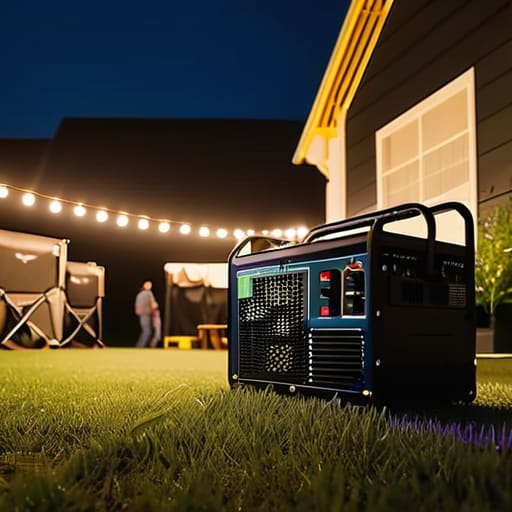
Once you’ve done the math on your electrical load calculation for events, you have to decide where that juice is actually coming from. In my years working on regeneration projects, I’ve seen committees try to piggyback off a single garden socket from a neighbor’s house. It’s a recipe for a blown fuse and a very grumpy homeowner. Instead, you should be looking into proper portable power solutions for festivals, such as silenced petrol generators or even large-scale battery power stations if you’re running something smaller, like a community bake sale.
If you’re running a larger street party with a marquee and a DJ, you’ll likely need to rent professional event power distribution boards. These aren’t just fancy plugs; they are the backbone of your setup, ensuring the electricity is split safely between the kettle, the speakers, and the fairy lights. I always tell my committee members: don’t skimp here. It is much better to rent a slightly larger generator than to spend your afternoon preventing electrical trips at outdoor venues by constantly resetting breakers every time someone turns on the coffee machine.
Command Centers Deploying Event Power Distribution Boards
Now, once you’ve figured out your load calculations, you can’t just leave a tangle of cables lying in the grass like a heap of spaghetti. You need a central hub—what the professionals call event power distribution boards. Think of these as the “brain” of your setup. Instead of having every single stall or DJ trying to plug directly into a single generator, you run your main lines to these boards. It keeps things tidy, and more importantly, it stops one faulty kettle from taking down the entire street’s lighting.
I learned this the hard way during a summer fête back in ’98; we had a beautiful setup until a single rogue popcorn machine sent us into total darkness. The key is strategic placement. You want your distribution boards in a central, accessible spot, but they must be tucked away from foot traffic. Most importantly, you have to prioritize weatherproofing outdoor electrical connections. Even if the forecast looks clear, a sudden July downpour can turn a simple afternoon into a very expensive lesson in electrical safety. Keep your boards elevated and covered, and you’ll avoid the heartbreak of a damp, dark event.
Tactical Logistics Managing Temporary Power Supply Logistics
Now, all the technical math in the world won’t save you if your actual physical setup is a mess of tangled cables and tripping hazards. When I was working on regeneration projects, I saw many a lovely community fête ruined because someone left a heavy-duty lead stretched across a main footpath. Managing temporary power supply logistics isn’t just about having enough juice; it’s about the movement of people. You need to map out your cable runs early so they don’t interfere with the tea tent or the dance floor. I always suggest using heavy-duty rubber cable ramps—they’re a bit of an investment, but they keep the elderly residents from stumbling and the equipment safe.
You also have to think about the “what ifs,” specifically regarding the British weather. Even if the forecast looks clear, you must prioritize weatherproofing outdoor electrical connections at every single junction. I’ve seen more than one small committee panic when a sudden downpour turns a perfectly good distribution board into a sparking hazard. Keep your connections off the damp grass using small wooden blocks or dedicated stands, and ensure every outdoor plug is housed in a proper IP-rated enclosure. It’s better to be unnecessarily cautious than to have the music cut out halfway through the evening.
Defending the Circuit Weatherproofing Connections and Preventing Trips
I’ve seen many a lovely street party come to a grinding halt because someone thought a bit of duct tape could stand up to a sudden English downpour. When you are managing weatherproofing outdoor electrical connections, you cannot be precious about it. If a plug socket isn’t tucked inside a proper, rated weatherproof enclosure, you are essentially inviting a short circuit to the party. I always tell my committee members: if it’s sitting on the grass, it needs to be off the ground. Use raised stands or even sturdy wooden pallets to keep your cables away from the inevitable puddles that form when the clouds break.
It isn’t just about the rain, though; it’s about the foot traffic. Between the kids running around and the elderly neighbours navigating the stalls, a loose cable is more than a nuisance—it’s a hazard. You must prioritize preventing electrical trips at outdoor venues by using heavy-duty rubber cable ramps. I once sat through a three-hour parish meeting just debating the placement of a single extension lead, and looking back, it was worth it. A trip isn’t just a physical fall; it’s a way to lose the momentum of your entire event.
Five Practical Rules for Not Blowing a Fuse Mid-Celebration
- Always assume your neighbors are going to plug in more than they say they will; if you think you need three extension leads, bring five.
- Keep your cables out of the footpaths and under a heavy mat, because nothing kills a community spirit faster than a tripped-over kettle and a broken ankle.
- Assign one person—just one—to be the “Power Warden” who knows exactly where the main switch is, so you aren’t hunting in the dark when a light goes out.
- Never, under any circumstances, daisy-chain multiple cheap household strips together; it’s a fire risk that no amount of local enthusiasm can justify.
- Check your connections every hour, especially if the weather turns, because even a little bit of dew can turn a perfectly good socket into a hazard.
The Golden Rule of the Grid
You can have the most ambitious street party in the borough, but if you haven’t sat down with a clipboard to map out exactly where those cables are running, you aren’t running a festival—you’re just waiting for a fuse to blow and a mood to sour.
Deborah Castellanos
Bringing the Light to the Street
At the end of the day, getting the power right is about more than just avoiding a blown fuse or a soggy extension lead. It’s about the careful work of mapping your loads, choosing the right distribution boards, and ensuring every connection is properly weatherproofed before the first kettle is even plugged in. If you’ve done your homework—calculating your wattage and planning your cable runs with a bit of foresight—you won’t be left standing in the dark when the festivities actually begin. It is the unseen groundwork of logistics that allows the music to play and the tea to stay hot.
I’ve seen many a wonderful street party fizzle out simply because someone forgot to check if the local hall’s socket could handle a professional PA system. Don’t let that be your story. When you take the time to organize your power, you aren’t just managing electricity; you are providing the foundation for connection. A well-lit street is a safe street, and a powered stage is a place where neighbors become friends. Get your committee together, check your cables, and remember: once you have the power, the rest is just magic.
