

I remember sitting in a drafty church hall back in ’94, staring at a pile of lukewarm tea and a stack of unprinted flyers, wondering why we’d spent three months trying to form a “sub-committee” just to host a simple coffee morning. We had twelve people on a mailing list, but only two of us actually showed up to do the heavy lifting. Most people will tell you that you need a formal structure, a treasurer, and a dozen volunteers to make something happen, but that is a recipe for burnout. If you want to actually get things done, you need to stop waiting for a crowd and learn how to run a small event with two people.
I’m not here to give you a corporate manual or a list of lofty theories that only work in a boardroom. I want to show you how to strip away the bureaucracy and focus on what actually moves the needle. I’ll be sharing the practical, slightly unpolished lessons I learned during my thirty years in local government—the kind of stuff that ensures you don’t end up with a bank account full of nothing and a headache to match. We are going to talk about division of labour, keeping your paperwork simple, and making sure the work actually gets finished.
Understanding How to Run a Small Event With Two People
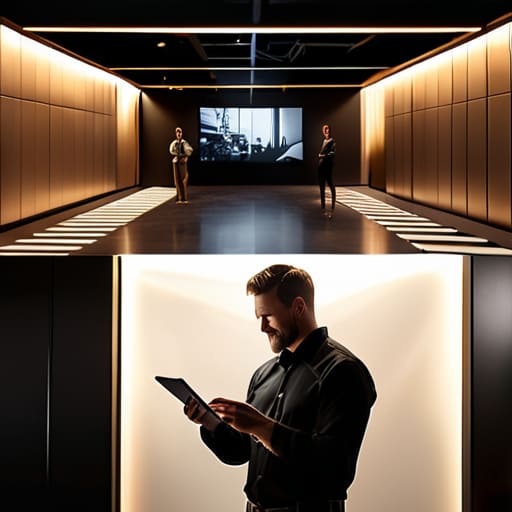
When you are working with just one other person, you quickly learn that you cannot afford to be precious about roles. In my years at the council, I saw many well-intentioned projects collapse because everyone tried to do everything at once, resulting in nothing getting finished. For a duo, success relies on streamlining event logistics by splitting the world into two distinct halves: the “front of house” and the “engine room.” One person handles the people—the emails, the registrations, and the friendly faces—while the other manages the mechanics, like the venue, the equipment, and the budget.
This isn’t about being rigid; it’s about survival. You have to be comfortable with the fact that there is no one else coming to save the day if a cable goes missing or a volunteer forgets their shift. Effective event planning for micro teams means identifying your shared blind spots early on. If you both love talking to neighbors but both hate spreadsheets, you’ll need to find a digital tool that does the heavy lifting for you. It’s about knowing exactly where your partner’s strength ends and yours begins.
Key Things to Know
The first thing you have to accept is that you cannot be everywhere at once. When it’s just the two of you, you aren’t just the organisers; you are the cleaners, the greeters, and the people fixing the broken tea urn. To survive the day without a meltdown, you must focus on streamlining event logistics before anyone even walks through the door. This means if a task can be automated—like digital ticketing or a pre-set playlist—do it. Don’t waste your precious energy on manual fiddling when you could be watching the door.
Secondly, you must be ruthless about what you actually need to accomplish. I’ve seen so many lovely neighbourhood gatherings fall apart because the duo tried to mimic a professional festival. You aren’t a corporation; you are two neighbours with a goal. Focus on minimizing event overhead by using what you already have in your cupboards rather than trying to rent fancy equipment. If you try to do too much, you’ll end up exhausted and, more importantly, you won’t have anything written down for the next time you try this.
Practical Tips and Steps

First, you have to be honest about what you can actually carry. When it’s just the two of you, you aren’t running a festival; you’re running a focused gathering. I always tell people that streamlining event logistics is your best friend here. Instead of trying to manage a dozen moving parts, pick three essential things that must go right—say, the tea, the seating, and the music—and let everything else be secondary. If you try to do too much, you’ll end up exhausted before the first guest arrives, and that’s when mistakes happen.
Second, you need a clear division of labour that doesn’t involve constant checking-in. I find that splitting the roles by temperament works better than splitting them by task. One person should be the “front of house” type—the face of the event who greets people and handles the flow—while the other manages the “back of house” details like the money or the supplies. This way, you aren’t constantly bumping into each other in the kitchen. It’s about managing event operations with limited staff by ensuring neither of you is trying to be in two places at once.
Common Mistakes to Avoid
The biggest pitfall I see—and I’ve seen it in dozens of parish meetings—is the urge to do everything yourself because “it’s just easier.” When there are only two of you, you might feel like you have to wear every hat, from treasurer to tea-maker. But trying to juggle every single detail is a recipe for burnout. Instead of attempting to manage everything, focus on streamlining event logistics by deciding early on what is actually essential. If a task doesn’t directly serve the goal of the day, leave it out.
Another mistake is failing to define your “zones” before the day begins. I once saw a lovely garden fête fall apart because both organizers were busy at the gate, leaving the refreshment stall completely unattended. Even with a tiny crew, you need clear boundaries. Effective delegating tasks in small event crews isn’t about giving orders; it’s about making sure neither of you is standing in the same place at the same time. If you don’t have a clear division of labour, you aren’t a team; you’re just two people running in circles.
Final Thoughts
At the end of the day, I’ve seen too many wonderful ideas wither away simply because the people behind them felt they couldn’t do it all alone. There is a common misconception that you need a massive committee to make something meaningful happen, but that’s rarely the case. When you are managing event operations with limited staff, your greatest asset isn’t your budget; it’s your clarity. If the two of you know exactly who is holding the keys and who is holding the clipboard, you can achieve more than a dozen people wandering around without a plan.
Don’t let the fear of being “too small” stop you from starting. Focus on minimizing event overhead and keeping your circle tight so you can stay agile. If you can document your process—even just a simple notebook of what worked and what didn’t—you aren’t just running an event; you are building a blueprint for the next person. Whether it’s a street party or a small workshop, remember that momentum is more important than perfection. Just get moving, keep it simple, and write it down.
Five ways to stay sane when it’s just the two of you
- Divide the work by personality, not just by task. If one of you is a natural talker and the other is a meticulous list-maker, let them play to those strengths. Don’t force the quiet one to man the welcome desk if they’d much rather be reconciling the petty cash in the back room.
- Keep a shared “running log” that isn’t a formal minute book, but something simple. Whether it’s a notebook or a basic digital file, write down every decision made and every penny spent as it happens. I’ve seen too many lovely little projects crumble simply because the two organizers forgot who agreed to buy the tea towels.
- Set a “hard stop” for your planning sessions. When it’s just two people, it is very easy for a quick chat about a community tea party to turn into a three-hour debate about font sizes on a flyer. Decide beforehand that you’ll stop at 8:00 PM, or you’ll both end up burnt out before the event even starts.
- Build in a “buffer” for the unexpected. With a team of ten, someone can always run an errand. With two people, if one of you gets a flat tire or a sudden bout of the flu, the whole thing is at risk. Always have a contingency plan for the small things, like who will pick up the extra bunting if the primary person can’t make it.
- Don’t be afraid to ask for “micro-volunteers.” You don’t need a committee to run the event, but you can certainly ask a neighbor to simply “keep an eye on the kettle” or “help tidy up the chairs at the end.” It keeps the workload light without the headache of managing a full-blown committee.
The Power of Two
You don’t need a grand committee or a formal constitution to make a difference; you just need two people who are willing to divide the heavy lifting, keep a clear record of what was spent, and actually show up when the doors open.
Deborah Castellanos
Looking Ahead
When you strip everything back, running an event with just one other person comes down to two things: clear roles and relentless communication. You don’t need a massive budget or a room full of volunteers to make something happen; you just need to know who is holding the keys and who is watching the till. By keeping your tasks manageable and avoiding the trap of trying to do everything at once, you prevent that inevitable burnout that kills so many good local projects. Remember, the goal isn’t to host a gala; it’s to get the job done without losing your mind or your friendship in the process.
I’ve spent thirty years watching community groups rise and fall, and more often than not, the ones that survive are the ones that started small and stayed organized. Don’t wait for a mandate from the council or a dozen volunteers to step forward before you begin. If you have a shared goal and a way to track your spending, you already have everything you need to make a difference. Sometimes, the most impactful changes in a neighbourhood don’t come from grand gestures, but from two determined people who simply decided to show up and get to work.
