
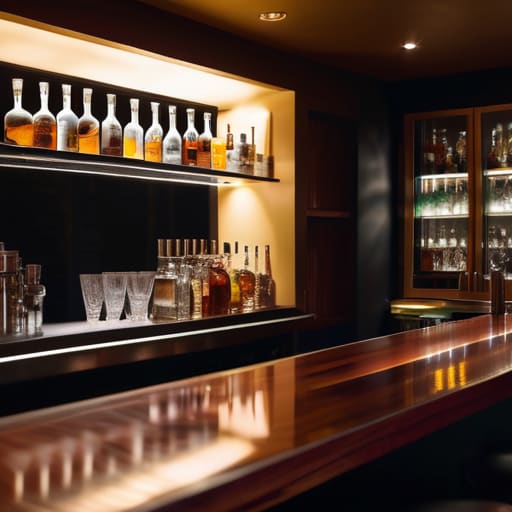
People will tell you that learning how to run a bar requires a massive commercial loan, a designer interior, and a cocktail menu that looks like it belongs in a London hotel. They make it sound like some high-stakes, glamorous gamble, but frankly, that’s a recipe for disaster in a small neighbourhood. I’ve seen too many lovely community initiatives crumble simply because they tried to build a cathedral before they’d even laid the bricks. If you’re trying to turn a local social club or a corner shop into a place where people actually want to linger, you don’t need a business plan that’s fifty pages long; you need common sense and a sturdy floor plan.
I’m not here to sell you on a dream of overnight riches or complicated mixology. What I am going to give you is the unvarnished truth about the logistics—the bits people usually forget to write down until it’s too late. We are going to talk about the practicalities of stock, the necessity of a clear paper trail, and how to keep your head above water when the Friday night rush hits. This is about building something that actually lasts.
Understanding How to Run a Bar

Now, I’ve spent three decades in local government, and if there is one thing I’ve learned, it’s that enthusiasm is a wonderful starting point, but it won’t pay the electric bill. When you’re looking at setting up a community-run space, you have to move past the idea of just “serving drinks” and start thinking about the mechanics of a business. You aren’t just hosting a social club; you are managing a regulated environment. Before you even think about the decor, you must get a firm grip on the liquor license requirements in your specific district. I’ve seen too many lovely neighborhood initiatives fold halfway through their first month simply because they overlooked a single piece of paperwork or a local ordinance.
Once the legalities are tucked safely in a folder, the real work begins with the numbers. You cannot simply buy bottles and hope for the best. You need to understand beverage cost control from day one. This means knowing exactly how much a single pour costs you and ensuring that every drop is accounted for. Without a basic system to track what’s coming in and what’s going out, your community fund will vanish faster than a pint on a Friday night.
Key Things to Know
Now, before you go out and buy your first crate of ale, you must respect the paperwork. In my years at the council, I saw more well-meaning community projects collapse under the weight of a single fine than I care to count. You cannot simply decide to serve drinks; you have to navigate the alcohol service regulations specific to your borough. It’s tedious, I know, but getting your liquor license requirements sorted early is the only way to ensure your little venture doesn’t get shut down before the first pint is even poured.
Once the legalities are tucked away, you need to look at the practicalities of the till. It isn’t just about being friendly to the locals; it’s about knowing exactly what is leaving the building. I always tell people that effective beverage cost control is what keeps the lights on. If you don’t keep a sharp eye on your stock, that little community fund will evaporate faster than spilled gin. You don’t need anything fancy, but you do need a system that tells you what you’ve sold and what you’ve lost.
Practical Tips and Steps

First, you must get your paperwork in order before you even think about polishing a glass. I’ve seen many well-meaning community groups stumble because they treated liquor license requirements as an afterthought rather than a foundation. You need to sit down with your committee and map out exactly who is responsible for the legalities. Don’t just assume someone else is handling the paperwork; in my thirty years, I learned that if it isn’t written in the minutes, it simply didn’t happen.
Once the doors are open, the real work is in the rhythm of the day. You don’t need fancy technology, but you do need a clear way to track what’s coming in and what’s going out. Implementing simple bar inventory management systems—even just a sturdy notebook and a weekly count—prevents the slow bleed of funds that kills small projects. Watch your pours and keep a sharp eye on your stock. If you can manage the small things, like the cost of a single bottle of gin, you’ll have the financial breathing room to keep your community space alive for years to come.
Common Mistakes to Avoid
The most frequent error I see in these small, community-run ventures is treating the money like a personal piggy bank. When you’re operating on a tight budget, you cannot afford to ignore beverage cost control. I’ve seen wonderful little social clubs fold simply because nobody was tracking the difference between what was poured and what was actually paid for. Without a clear way to monitor your stock, those small, incremental losses will bleed your committee dry before the first year is out.
Another pitfall is assuming that because everyone is a friend, you don’t need formal training. This is a dangerous way to think. You must be diligent about alcohol service regulations and ensuring everyone behind the counter understands their responsibilities. It isn’t about being cold or overly professional; it’s about protecting the group from legal trouble and ensuring the safety of your neighbours. If you neglect proper hospitality staff training, you aren’t just risking a fine—you are risking the very reputation your committee worked so hard to build. Always remember: if it isn’t written down and practiced, it isn’t happening.
Final Thoughts
At the end of the day, running a local spot isn’t just about the drinks; it’s about the people who keep showing up. I’ve seen too many lovely community hubs fold simply because the initial enthusiasm wasn’t matched by a bit of sturdy paperwork. You can have the best atmosphere in the world, but if you aren’t keeping a close eye on your beverage cost control, those margins will vanish faster than a pint on a Friday night. It’s the small, unglamorous tasks—the spreadsheets and the scheduling—that actually provide the foundation for everything else.
Don’t let the technical side intimidate you. Whether you are navigating complex alcohol service regulations or figuring out which inventory system fits your small team, just take it one step at a time. If you document your processes as you go, you won’t be left scrambling when the next person takes the reins. My advice is simple: build a system that survives your own absence. If you can get the basics right, you aren’t just serving drinks; you are building something that lasts for the neighbourhood.
Five Things to Keep the Lights On and the Spirits High
- Keep your books as tidy as a Sunday morning; if you aren’t recording every single pint sold and every bag of ice bought, you aren’t running a bar, you’re running a charity that will eventually go bust.
- Don’t let the “social” part of a social club swallow your common sense, which means having a clear, written rule about when the music stops and the glasses are cleared, so your volunteers don’t end up arguing at 11:00 PM.
- A rotating rota is your best friend to prevent burnout, because if the same three people are always scrubbing the floors and counting the till, they’ll eventually stop showing up, and then you’re left with a locked door.
- Always keep a small “emergency” pot of cash separate from your main operating account, because a broken fridge or a leaking tap doesn’t care that your next grant hasn’t arrived yet.
- Make sure your roles are written down in a simple folder—not a complex manual, just a plain sheet of paper—so that when the person who knows how the cellar works moves away, the next person isn’t left staring at a pump in confusion.
More Than Just a Tally Sheet
Running a bar isn’t about mastering the perfect pour or memorising a cocktail list; it’s about the quiet discipline of the ledger and the strength of the committee behind it. If you don’t write down who owes what and how the money moves, you haven’t built a community hub—you’ve just built a recipe for a very public argument.
Deborah Castellanos
A Final Word from the Committee Table
Running a bar is about far more than just keeping the taps flowing or managing a rota; it is an exercise in disciplined community management. We have talked about the necessity of clear roles, the importance of a transparent bank account, and the absolute requirement for keeping proper minutes so that your progress isn’t lost to memory. If you can master the logistics—the licensing, the stock control, and the small-scale financial oversight—you stop being a group of people standing around a counter and start becoming a functioning local institution. Don’t let the paperwork intimidate you; it is simply the scaffolding that holds your vision upright when things get busy.
At the end of the day, a successful bar is a heartbeat for the street. It is the place where the neighbours who usually only nod in passing finally sit down and actually talk. You might start with nothing more than a few mismatched chairs and a dream of a better local social scene, but if you build it on a foundation of order and shared purpose, it will endure. I have seen too many good ideas vanish because nobody bothered to write down the rules of engagement. Don’t let that be your story. Get your six people, get your records in order, and go make something happen.
