

I remember sitting in a draughty village hall back in ’94, listening to a gentleman in a tweed jacket swear on his life that a hidden well behind the old tannery held the key to a lost parish endowment. Half the committee was nodding like puppets, ready to spend our entire annual budget chasing ghosts, while the rest of us just sat there in a heavy, awkward silence. People often think that knowing how to check a local legend requires a PhD in folklore or a massive grant for historical research, but that’s just nonsense. Most of the time, you don’t need an academic; you just need to know where the actual paper trails are buried.
I’m not here to give you a lecture on mythology or tell you to buy expensive subscription databases. Instead, I want to show you how to use the tools a real community group has at its disposal—like old council minutes, library archives, and the memory of long-term residents. I’m going to walk you through the practical, unglamorous steps of separating fact from fiction so you don’t waste your precious committee funds on a daydream.
Stop Listening to Whispers and Start How to Check a Local Legend

Most of the time, these stories start over a garden fence or at the bottom of a pint glass. Someone says, “I heard the old library was built on a burial ground,” or “That alleyway used to be a secret smugglers’ route,” and suddenly, it’s treated as gospel. But if you want to actually use a story to secure a grant or revitalise a community space, you can’t rely on hearsay. You have to move beyond the gossip and start distinguishing myth from fact by looking for the paper trail.
I’ve spent three decades seeing well-meaning groups fall apart because they built their entire project on a foundation of “someone told me.” To do this properly, you need to employ some basic archival research for local history. Don’t just settle for the most colourful version of the tale; go to the local records office or the parish archives. Look for the old maps, the building permits, or even the handwritten ledger books from a century ago. If the legend doesn’t have a tangible anchor in the written record, it’s just a story, not a history you can build a community project upon.
Audit the Myth Mastering Historical Research Methods for Folklore
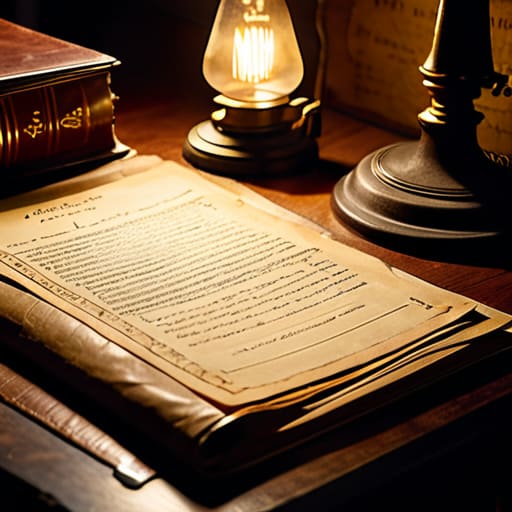
Now, don’t go thinking a bit of old-fashioned digging is just for academics in dusty libraries. If you want to get serious about distinguishing myth from fact, you need to treat your local folklore like a proper investigation. I’ve spent decades looking at council records, and I can tell you: the truth is rarely in the storytelling; it’s in the paperwork. Start by looking for primary source verification for legends—think census records, old property deeds, or even the minutes from a parish meeting from sixty years ago. If the legend says a certain house was haunted by a disgraced merchant, see if that merchant actually appears in the local tax rolls from that era.
Once you’ve checked the paper trail, move on to the people. I’m a firm believer in oral history documentation techniques, but you have to be careful. When you sit down with a neighbor for a cup of tea, don’t just nod along to the ghost stories. Ask them where they heard it and who told them. You aren’t just collecting tales; you are tracing the lineage of an idea to see if it has any real bones to it.
Digging Through Dust Archival Research for Local History

Now, if you really want to get to the bottom of things, you have to get your hands a bit dirty. I spent three decades in local government, and if there is one thing I learned, it’s that the truth isn’t usually found in a glossy brochure; it’s tucked away in a damp basement or a forgotten filing cabinet. When I’m practicing archival research for local history, I don’t just look for the big, dramatic events. I look for the mundane stuff—the minutes from a 1954 planning meeting or a handwritten ledger from a defunct parish committee. That is where the real story lives, hidden between the lines of official bureaucracy.
It can be a bit daunting at first, but don’t let the smell of old paper put you off. You aren’t just looking for facts; you are performing primary source verification for legends. If a neighbor swears a certain alleyway was once a secret smuggling route, don’t just nod and smile. Go find the old maps or the land registry records from that era. You’ll find that distinguishing myth from fact becomes much easier once you have a paper trail to back up your hunches.
The Truth Audit Primary Source Verification for Legends
Once you’ve spent some time in the dusty corners of the archives, you’ll likely have a pile of papers that tell a story, but they won’t always tell the whole story. This is where you have to get disciplined. I’ve seen so many community projects stumble because they relied on a single, old diary entry and called it gospel. To really get it right, you need to move into primary source verification for legends by looking for the “paper trail” of everyday life. If a story says a certain building was a secret meeting place in 1920, don’t just take the legend’s word for it; look for the building permits, the tax records, or the local council minutes from that exact year.
It’s about triangulation. You want to see if the written record matches the physical reality of the street. When you are distinguishing myth from fact, the most reliable evidence often isn’t a grand history book, but the mundane, boring documents that people forgot to hide. A grocery receipt or a handwritten letter from a local shopkeeper can often prove or disprove a decades-old rumor more effectively than any oral tradition ever could.
Verifying Urban Legends Through Rigorous Oral History Documentation Techniq
Now, don’t get me wrong—I love a good story shared over a cup of tea, but if you’re serious about distinguishing myth from fact, you can’t just rely on a casual chat. When we talk about oral history documentation techniques, we aren’t just gossiping; we are collecting data. I’ve seen so many neighborhood projects stumble because they built their entire identity on a story that turned out to be nothing more than a tall tale from 1974. If you want to use a legend as a foundation for a community garden or a heritage plaque, you need to record these testimonies with some level of rigor.
Get yourself a decent digital recorder—don’t just rely on your memory—and sit down with the older residents. Ask open questions that allow them to describe the sensory details of the past: the smells, the specific layout of a vanished alleyway, or the exact names of the shopkeepers. By treating these conversations as a form of primary source verification for legends, you move beyond mere hearsay. You aren’t just listening to whispers anymore; you are building a reliable archive that the next committee can actually use.
Drawing the Line Distinguishing Myth From Fact With Precision
Now, this is where the real work begins, and it’s often the part that makes people a bit uneasy. After you’ve spent hours hunched over old parish records or listening to the eldest residents in the village, you’ll find yourself sitting there with a mountain of information that doesn’t quite align. You have a lovely story about a sunken road, but the maps say otherwise. The trick isn’t to discard the story because it lacks a paper trail; it’s about distinguishing myth from fact without losing the soul of the narrative. I’ve seen too many community projects stall because they tried to build a heritage trail on a foundation of pure guesswork.
You have to be disciplined. If a piece of folklore can’t be anchored to a date, a name, or a physical location found through archival research for local history, treat it as a “cultural memory” rather than a hard fact. There is a massive difference between saying “The old mill was haunted” and “The mill burned down in 1892, and the locals have told stories about it ever since.” One is a ghost story; the other is a documented event that carries a legend. Precision is your best friend here—it protects your group’s reputation and ensures that when you finally present your findings to the council or the neighbors, nobody can poke holes in your work.
My five golden rules for separating street talk from solid history
- Don’t trust a single storyteller; if a legend is true, it should leave a trail of breadcrumbs across different people, even if their details don’t match perfectly.
- Always look for the “paper trail” of the mundane—sometimes a local legend about a mysterious figure is actually just a misunderstood entry in a 1950s parish council minute book.
- Keep a formal log of your findings, because if you don’t write down who told you what and when, the truth will vanish the moment the next committee meeting starts.
- Check the physical landscape for evidence, like old boundary stones or peculiar garden layouts, rather than just relying on what the local pub regulars swear is true.
- Be prepared to be disappointed; the most important part of an audit is having the discipline to accept that a wonderful story might just be a wonderful story, and that’s okay too.
The danger of a story without a paper trail
A local legend is a lovely thing to share over tea, but if you want to build something lasting—like a community garden or a heritage trail—you can’t build it on whispers. You need more than a good story; you need the receipts, the records, and the hard facts to prove that what we’re celebrating is actually real.
Deborah Castellanos
From Whispers to Written Records
At the end of the day, verifying a local legend isn’t about being a killjoy or debunking a lovely story just for the sake of it. It is about respect—respect for the truth and for the community that holds these stories dear. We have walked through the process of moving past mere hearsay, moving from the unreliable whispers of the pub to the hard evidence found in parish archives and recorded oral histories. By cross-referencing primary sources and applying a bit of rigorous documentation, you transform a vague bit of folklore into a verifiable piece of local heritage. You aren’t just chasing ghosts; you are building a foundation of facts that can actually support future community projects.
I have seen too many wonderful neighborhood initiatives crumble simply because they were built on shaky assumptions rather than solid ground. If you want to use a local legend to spark a regeneration project or a community garden, you need to know exactly what you are standing on. Don’t be afraid of the dust or the dry reading of old committee minutes; that is where the real magic lives. When you finally find that one scrap of paper that proves the story is true, you won’t just have a myth—you will have a tangible legacy that your neighbors can rally around. Get it down in writing, and make it stick.
