

I remember sitting in a drafty parish hall three years ago, staring at a pile of crumbling, water-damaged ledgers that smelled faintly of damp wool and old tobacco. A well-meaning consultant had told our little committee that we’d need to hire a professional historian to figure out the building’s provenance before we could even think about applying for a grant. I nearly rolled my eyes right out of my chair. You don’t need a university degree or a massive consultancy fee to figure out how to research a chapel; what you need is a sturdy magnifying glass, a bit of patience, and the sense to know which dusty folders actually matter.
I’m not here to give you a lecture on architectural theory or academic fluff. My goal is to show you how a small, dedicated group can dig through the local archives and property deeds to find the real story of a building. I will walk you through the practical, boots-on-the-ground steps of uncovering a site’s history so you can build a case for its future. We are going to focus on the paper trail that actually moves the needle for community funding, ensuring your project is built on a foundation of solid, documented fact.
The Paper Trail of Sanctity How to Research a Chapel

You can’t just walk into a building and assume you know its story. I’ve seen too many well-meaning committees sign a lease only to find out the roof is a legal nightmare or the site has ancient restrictions. Your first port of call shouldn’t be a surveyor, but the archives. You need to dig into the chapel trust deeds to see who actually owns the dirt beneath your feet and what rights you’re inheriting. It sounds dry, I know, but those legal papers are the bedrock of your entire project.
Once you’ve cleared the legal hurdles, you have to find the soul of the place. I always suggest a bit of ecclesiastical archives research to see how the building functioned in its heyday. If you want to understand the community it once served, looking through genealogical chapel records can tell you more about the local families than any modern census. It turns a pile of stones into a living history, and frankly, that’s the kind of story that convinces a local council to grant you a small community fund.
Unlocking the Past Through Ecclesiastical Archives Research
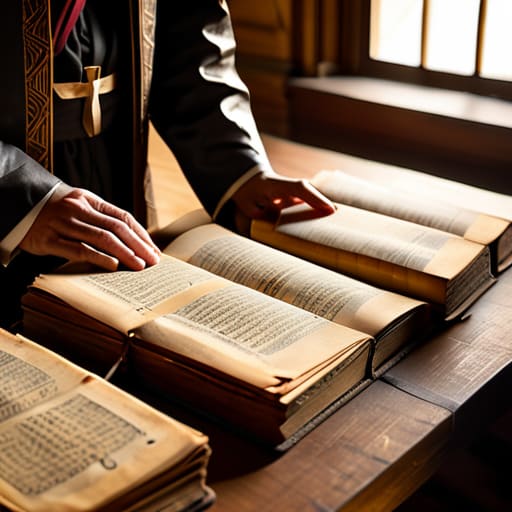
Once you’ve finished poking around the local library, it is time to get serious. This is where you move from general curiosity into the weeds of ecclesiastical archives research. If your chapel was part of a particular denomination, you aren’t just looking for a building; you are looking for the people who breathed life into it. I always tell my committees that the soul of a project lies in the nonconformist religious history of the area. You’ll want to look for the specific records held by regional diocesan archives or specialized denominational libraries. These collections often hold the keys to understanding why a building was even constructed in the first place.
Don’t let the formal atmosphere of an archive intimidate you. Most archivists are lovely people who enjoy a bit of a chat, provided you’ve done your homework. When you arrive, ask specifically for chapel trust deeds or any surviving minutes from the elders. These documents are gold dust; they tell you exactly who owned the land and, more importantly, what the original intentions were for the site. Knowing the legal bones of the building prevents a lot of heartache when you eventually start applying for grants or looking to change the building’s use.
Chasing Ghosts in the Genealogical Chapel Records

Once you’ve navigated the formal ecclesiastical archives, you’ll find that the real soul of a building often hides in the more personal, less polished files. I’ve spent many afternoons squinting at handwritten ledgers, and I can tell you that genealogical chapel records are where the community truly comes alive. Unlike the grand, sweeping histories of the established church, these records often tell the story of the local weaver, the blacksmith, or the widow who kept the lights on during a lean year. You aren’t just looking for dates; you are looking for the people who held the keys.
When I’m digging through these papers, I always keep an eye out for the names appearing in the margins of membership rolls or burial lists. This is where the nonconformist religious history of a street or village becomes tangible. If you can find those names, you can find the lineage of the building’s stewardship. It’s vital to cross-reference these personal notes with the more formal chapel trust deeds to see if the families who built the walls are the same ones who still hold a legal interest in its survival. It turns a pile of old paper into a living map of local devotion.
Deciphering Nonconformist Religious History and Local Legacies
When you move away from the established Church of England records, you enter a much more fragmented landscape. Nonconformist groups—whether they were Methodists, Baptists, or Quakers—tended to keep their own books, often tucked away in private homes or small local libraries rather than grand diocesan archives. To truly understand a building’s purpose, you have to look for the chapel trust deeds. These aren’t just dusty legalities; they are the DNA of the community. They tell you who actually owned the dirt the chapel sits on and, more importantly, what restrictions were placed on its use.
I’ve often found that the most telling stories aren’t in the sermons, but in the financial ledgers. If you can track down the chapel endowment documentation, you’ll see exactly how the congregation sustained itself during the lean years. It’s a different kind of history than the official parish registers; it’s a history of people who chose to stand apart. Understanding this nonconformist religious history is vital because it explains why a building was built in a specific corner of a street, and why it might—or might not—be easy to repurpose for your committee’s needs today.
Securing the Future via Chapel Trust Deeds
Now, all that lovely digging into the past is fine for the history buffs, but if you’re serious about actually using the building, you have to look at the legal bones of the place. I’ve seen so many wonderful community projects stumble because they assumed they “owned” a space, only to find out the land was held in a complex web of old restrictions. You must hunt down the chapel trust deeds; they are the ultimate rulebook. These documents tell you exactly who has the authority to make decisions and, more importantly, what the building can actually be used for.
Don’t let the legalese intimidate you. While you might be used to looking at genealogical chapel records to find names, these deeds are about finding boundaries and responsibilities. You need to know if there is any specific chapel endowment documentation that ties the building to a particular purpose or a specific group of people. If you don’t get these legalities sorted early, you’re building your community group on sand. Get the paperwork, read the fine print, and make sure your committee of six has the legal standing to hold the keys.
From Parish Register Searching to Chapel Endowment Documentation
Once you have navigated the heavy lifting of the archives, you eventually reach the practical, often messy, intersection of faith and finance. This is where you move from the “who” and “when” to the “how much.” I have spent many afternoons looking at old ledgers where the line between a pious donation and a strict legal requirement is incredibly thin. You aren’t just looking for names anymore; you are looking for the financial bedrock that allowed the building to stand in the first place.
This transition requires a shift in mindset from a historian to something more akin to an auditor. You must bridge the gap between parish register searching—which tells you who sat in the pews—and the more clinical task of reviewing chapel endowment documentation. These documents reveal whether a specific piece of land was gifted solely for the upkeep of the minister, or if the funds were intended for the wider community. Understanding these original restrictions is vital; if your committee intends to repurpose the space, you need to know exactly what strings were attached to that money a hundred years ago.
Five Practical Rules for When the Paperwork Gets Heavy
- Don’t go it alone; find the local history society first, because they often hold the maps and anecdotes that haven’t made it into the official archives yet.
- Always bring a physical notebook and a good pen, as you’ll find that many old record rooms aren’t particularly fond of—or even permit—the use of cameras and phones.
- Check the local council’s planning portal for old building permits, which can tell you more about a chapel’s structural changes than any dusty ledger ever will.
- When you find a name in a register, try to cross-reference it with local census data immediately; it helps you understand if the congregation was truly local or just passing through.
- Keep a meticulous log of every person you speak to and every archive you visit, because if your committee changes next year, the next group will need your breadcrumbs to find their way.
The Wisdom in the Dust
You can’t just walk into a building and claim its history; you have to earn it by digging through the ledgers and the legal deeds, because if you don’t understand exactly who owned the stones and why they were laid, you’ll never have the authority to protect them for the next generation.
Deborah Castellanos
Bringing the History Home
We have walked through quite a lot of dust, haven’t we? From tracing the delicate threads of genealogical records to the heavy, legal weight of trust deeds and endowments, the work is significant. It isn’t just about finding names on a page; it is about understanding the structural backbone of the building you intend to serve. By cross-referencing the ecclesiastical archives with the local nonconformist legacies, you move from mere guesswork to a position of informed stewardship. You aren’t just looking at old stone and mortar anymore; you are looking at a documented history of community intent, and that is exactly what you need before you ever sign a single cheque or hold your first committee meeting.
I know it feels like a mountain of paperwork, but remember why we bother with the minutiae. We do it because if we don’t, the next group will walk into the same confusion we faced. Every deed you uncover and every register you transcribe is a gift to the people who will stand in that chapel fifty years from now. A chapel is more than a venue; it is a vessel for local identity. If you do this right, you aren’t just researching a building—you are securing a legacy that will outlast us all. Now, get your committee together, grab a sturdy notebook, and let’s get to work.
