
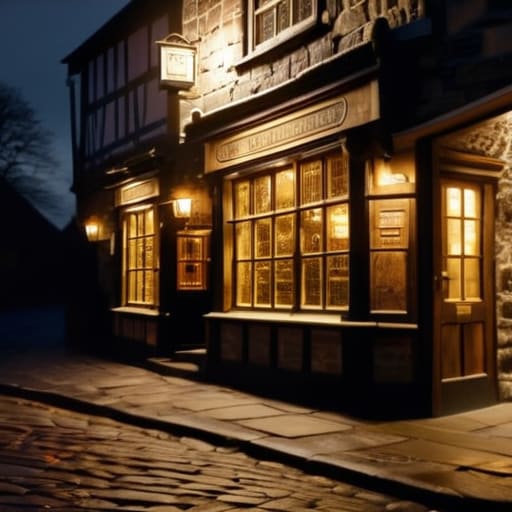
I remember sitting in a drafty community hall back in ’94, watching a lovely group of neighbors fall apart simply because they’d chosen a meeting space that was too loud to hear a single word of the minutes. They thought they could just “wing it” by picking the nearest place with a sign outside, but they quickly learned that knowing how to research a local pub is about much more than checking if they serve a decent pint. You aren’t just looking for a drink; you are scouting for a temporary headquarters for your committee, and if you pick a place with sticky tables and a jukebox blasting at 7:00 PM, your project is dead in the water before it even begins.
I’m not here to give you a list of fancy apps or tell you to read a hundred online reviews that were likely written by people who were just looking for a free meal. Instead, I’m going to share the practical, boots-on-the-ground method I used during my years in local government to find spaces that actually work for a group. I will show you how to vet a venue for privacy, accessibility, and—most importantly—the ability to actually hold a conversation without shouting.
Understanding How to Research a Local Pub
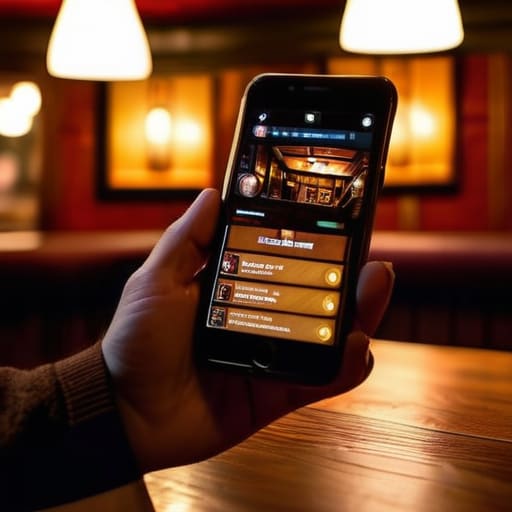
Now, you can’t just pick a place based on which one looks the friendliest from the window. If we’re going to host a committee meeting, we need a venue that actually works for a group of adults trying to get things done. I always start by checking pub reviews and ratings, but I take them with a grain of salt. A one-star review about a spilled pint doesn’t bother me, but a pattern of complaints about noise or cramped seating? That’s a red flag. I’ve seen too many good ideas die in a room so loud you can’t hear the person sitting next to you.
I also find it helpful to spend a bit of time analyzing pub atmosphere through photos on their social media pages. It gives you a much better sense of the layout than a polished website ever will. You want to see if there’s a quiet corner or a sturdy table that can actually accommodate a spread of papers and a notebook. Once you’ve narrowed it down to two or three options, give them a quick ring to confirm they have a space that won’t feel like we’re intruding on someone else’s Friday night party.
Key Things to Know

Before you even pick up a phone, you need to look at the digital breadcrumbs. I’ve seen too many committees book a room only to find the “quiet corner” they were promised is actually right next to a jukebox. Start by checking pub reviews and ratings, but don’t take them at face value. Look specifically for mentions of noise levels or table sizes; a five-star rating for a romantic dinner won’t help you if you’re trying to host a heated discussion about a new speed bump. I find that analyzing pub atmosphere through photos is much more reliable than reading a glowing testimonial from someone who was clearly just there for the Sunday roast.
You also have to think about the logistics of a group meeting. If you’re planning a mid-week gathering, it’s worth finding pub menus online beforehand to see if they offer any group platters or if the food service stops too early. There is nothing more demoralizing than a committee that has worked hard to gather, only to realize they can’t actually eat because the kitchen closed at 8:00 PM. Plan for the practicalities, or you’ll find your momentum stalling before the first minute is even recorded.
Practical Tips and Steps
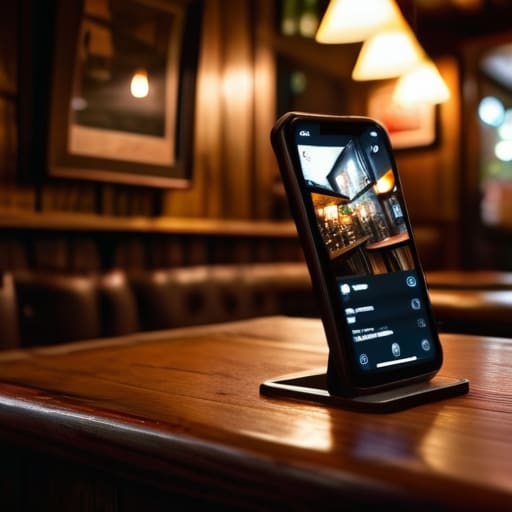
First, don’t rely solely on what the glossy website tells you. I’ve seen too many committees book a room based on a single professional photograph, only to arrive and find a space that feels more like a sterile waiting room than a community hub. I always suggest analyzing pub atmosphere through photos on social media or third-party sites instead; those candid shots of people actually sitting in the booths tell you much more about the “vibe” than a staged headshot of a pint. It’s also worth a bit of digital legwork—try checking pub reviews and ratings specifically for mentions of noise levels or table availability. If the reviews complain about a rowdy Friday night crowd, your quiet Tuesday committee meeting might be a bit of a struggle.
Once you’ve narrowed it down to two or three contenders, do a bit of a “reconnaissance” mission. Don’t just look at the food; check if they have a dedicated space where you won’t be interrupted by the kitchen staff. If you’re planning on serving more than just tea, make sure you’re understanding alcohol licensing laws regarding your specific group type, though usually, for a standard meeting, the pub’s own license covers you. Just ensure they are prepared for a group of six to sit for a couple of hours without feeling like they’re taking up a prime dining spot.
Common Mistakes to Avoid
The biggest blunder I see—and I’ve seen it happen in dozens of neighborhood committees—is the “rush to judgment.” People tend to pick a venue based on a single, fleeting visit or, worse, just because it’s the closest one to the high street. If you rely solely on checking pub reviews and ratings on a whim, you’re missing the bigger picture. A place might have five stars for its cocktails, but if the acoustics are so loud that your treasurer can’t be heard discussing the budget, it’s a non-starter. You aren’t just looking for a drink; you’re looking for a functional meeting space.
Another pitfall is ignoring the “boring” logistical details until it’s too late. I once watched a lovely gardening group lose their momentum because they booked a venue that hadn’t actually confirmed their reservation in writing. Don’t make that mistake. Before you commit, spend a little time analyzing pub atmosphere through photos and checking their accessibility. It’s much harder to fix a seating arrangement or a lack of wheelchair access once the committee has already arrived with their notebooks and tea.
Final Thoughts
At the end of the day, remember that you aren’t just looking for a place to have a pint; you are looking for a home base for your committee. It’s easy to get caught up in the excitement of a new idea and forget that the physical space dictates how much work you’ll actually get done. I’ve seen too many lovely neighborhood initiatives fizzle out simply because they chose a venue that was too loud for a serious discussion or too cramped for a group of six to sit comfortably.
Before you sign anything or commit your small group’s funds, take one last look at the digital footprint. I always suggest checking pub reviews and ratings specifically for mentions of noise levels or space, rather than just the quality of the food. If you can’t find a clear picture of the seating layout, don’t be afraid to pop in for a quick, informal visit. It is far better to spend twenty minutes vetting the environment in person now than to spend three hours trying to hold a meeting in a room where nobody can hear the treasurer speak.
My Golden Rules for the Reconnaissance Phase
- Don’t just look at the menu; look at the tables. If they’re covered in sticky rings and old coasters, it tells you more about the management’s attention to detail than any glossy website ever could.
- Timing is everything. If you turn up at 2:00 PM on a Tuesday, you’ll see the true face of the place, whereas a Friday night crowd can mask a lot of service failings with sheer noise and adrenaline.
- Check the “vibe” for your specific purpose. A pub that’s perfect for a rowdy celebratory drink is a disaster for a committee meeting where you actually need to hear what Mrs. Higgins is saying about the new speed bumps.
- Test the accessibility without making a scene. I always make a point of checking if the path to the entrance is manageable for someone with a walker or a pram; if the committee can’t get through the door, the meeting isn’t happening.
- Look for the “community pulse.” See if there are local notices on the board or if the regulars are actually locals. You want a venue that feels like part of the neighborhood fabric, not a transient spot that changes its identity every six months.
## More Than Just a Pint
“When you’re scouting a venue for a committee meeting, don’t just look at the price of a pint; you’re looking for a place that respects the quiet corner, keeps the noise at a level where decisions can actually be heard, and won’t make you feel like an intruder for bringing a notebook and a sense of purpose.”
Deborah Castellanos
A Final Note Before You Set Out
At the end of the day, finding the right base for your committee isn’t about finding the flashiest gastropub or the one with the most expensive craft ales. It’s about the logistics. You need to know if the Wi-Fi actually works for your treasurer, if the noise levels will allow for a decent discussion, and most importantly, if the landlord is someone who respects a bit of proper organization. Remember to check the accessibility, vet the food options for your diverse group, and always, always look at the fine print regarding booking fees. If you do the legwork now, you won’t be sitting there in a cramped corner next Tuesday, wondering why nobody can hear the chairperson.
I have seen too many wonderful community initiatives wither away simply because they couldn’t find a consistent place to meet. A group needs more than just passion; it needs a reliable home base where decisions can be recorded and friendships can grow. Don’t let your grand ideas for the neighborhood stall because you chose a venue on a whim. Take the time to scout your location with purpose, and once you find that perfect spot, write down the details—the contact person, the booking rules, the quietest corner—and keep them in your files. A well-chosen pub is more than just a place for a pint; it is the foundation of your movement.
