
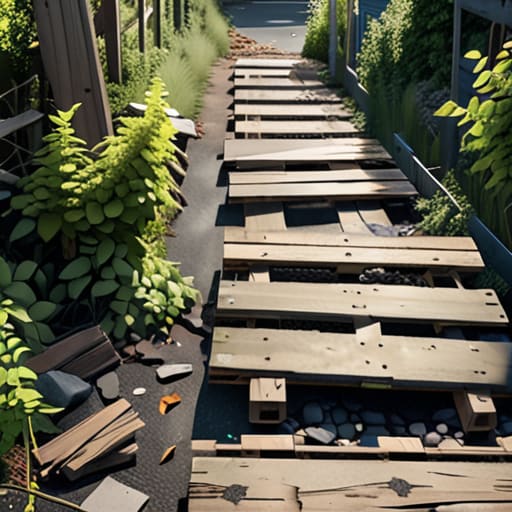
I remember sitting in a drafty parish hall back in ’98, watching a lovely elderly gentleman try to explain to a council official why he couldn’t reach the chemist because of a collapsed paving slab. The official just handed him a twenty-page pamphlet and a website link, as if a digital portal could magically fix a physical hazard. Most people think that knowing how to report a blocked footpath requires a law degree or a direct line to the Mayor, but that is a complete myth designed to keep you quiet. You don’t need to navigate a labyrinth of bureaucracy alone; you just need to know which lever to pull.
I’m not here to give you a lecture on municipal theory or a list of links that lead to nowhere. Instead, I am going to show you how to use your local voice—and a bit of organized pressure—to get things actually moving. I will walk you through the exact, practical steps to ensure your report doesn’t just end up in a digital black hole, but results in a cleared path for your neighbors. We are going to move past the frustration and get down to the real work of fixing our streets.
Understanding How to Report a Blocked Footpath
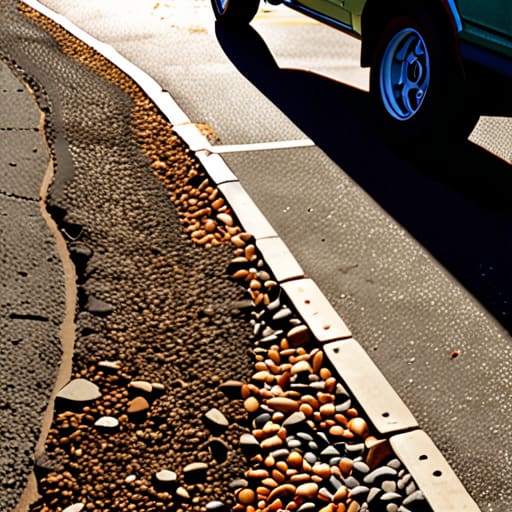
Before you pick up the phone or fire off an email, you need to know exactly what you’re looking at. Not every nuisance is a legal issue, and if you go to the council with a vague complaint, they’ll likely brush you off. You have to be specific about identifying footpath obstructions so they can’t claim it’s just “natural growth.” Is it a fallen branch, or is it something more permanent? If you see a vehicle parked where it shouldn’t be, you’re dealing with illegal parking on pedestrian walkways, which is a different beast entirely from a hedge that’s grown a bit unruly.
The real trick is understanding who holds the responsibility. Most people assume the council handles everything, but it’s actually a bit of a patchwork. You might be looking at a matter of council footpath maintenance if it’s a surface issue, or perhaps you need to trigger local authority footpath enforcement if a neighbor is encroaching on the land. Once you’ve categorised the problem, you’ll have the leverage needed to make sure your report actually gets filed and, more importantly, acted upon.
Key Things to Know
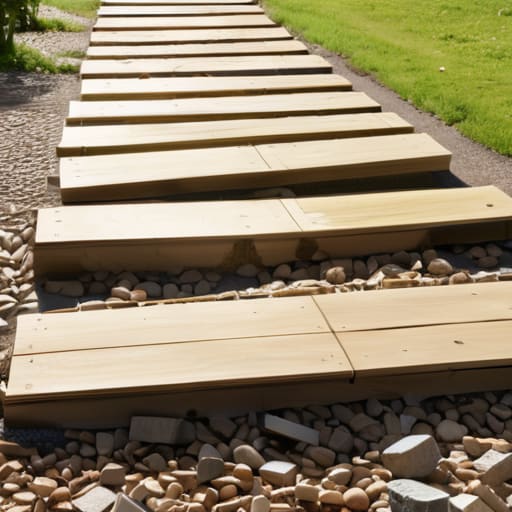
Before you pick up the phone or fire off an email, you need to be clear about what exactly is in your way. I’ve seen so many well-meaning residents get nowhere because they were too vague with the council. Are we talking about a bit of untidy greenery, or is there a genuine public right of way obstruction that makes the path impassable for a wheelchair or a pram? Identifying footpath obstructions properly is half the battle; if you can clearly state whether it’s a fallen branch, a pile of construction debris, or a permanent fixture, the officials have much less room to wiggle out of their responsibilities.
You also need to distinguish between a maintenance issue and a legal one. If you are reporting overgrown hedges on paths, you are essentially asking for routine council footpath maintenance. However, if a neighbor has left a bin or a fence encroaching on the pavement, that’s a different beast entirely. Knowing which department to nudge—and having the right terminology—is what separates a productive committee from one that just spends six months shouting into the void.
Practical Tips and Steps

First, don’t just go it alone. If you see a problem, take a photo immediately—ideally with a ruler or a common object for scale so the council can see exactly how bad the public right of way obstruction really is. I’ve seen many good-intentioned reports ignored simply because they lacked visual proof. Once you have your evidence, gather three or four neighbors to send individual emails. A single person complaining is a nuisance, but a group of residents making a formal noise is a political priority.
When you are identifying footpath obstructions, be specific about the cause. Is it a matter of council footpath maintenance, like a fallen branch, or is it something more frustrating like illegal parking on pedestrian walkways? If it’s the latter, note the registration numbers. When you write to the local authority, don’t just ask them to “fix it.” Ask for a specific timeline for local authority footpath enforcement. If you don’t ask for a date, you’ll likely find yourself waiting until next Christmas for a response.
Common Mistakes to Avoid
One mistake I saw constantly during my years in local government was the “shouting into the void” approach. People would spend weeks grumbling over garden fences about a public right of way obstruction, but they’d never actually lodge a formal report. If you don’t create a paper trail, the council simply assumes the problem doesn’t exist. Don’t just vent to your neighbours; you need to submit a formal record so there is a date and a reference number attached to the issue.
Another pitfall is being too vague when you finally do reach out. If you tell the council a path is “messy,” they’ll put you at the bottom of a very long list. You have to be specific about identifying footpath obstructions—is it a fallen branch, a pile of construction debris, or is it a matter of reporting overgrown hedges on paths that have become a safety hazard? The more precise you are about the exact location and the nature of the blockage, the harder it is for them to brush you off.
Final Thoughts
At the end of the day, a blocked path is more than just a nuisance; it is a barrier that can isolate a neighbor or stop a parent with a pram in their tracks. I have seen too many small neighborhood improvements stall simply because people felt that identifying footpath obstructions was someone else’s job. It isn’t. If you see something that makes a walk unsafe, don’t just mutter about it over your garden fence. Take that information, bring it to your local committee, and make it an official matter for the council to address.
Whether you are dealing with illegal parking on pedestrian walkways or a hedge that has grown far beyond its bounds, the goal is the same: persistence. Documentation is your best friend here. Keep a log of your correspondence with the council, because local authority footpath enforcement often requires a bit of a nudge to actually happen. Remember, a single person complaining is a grievance, but a group of six neighbors with a paper trail is a force to be reckoned with. Get it down in writing, and keep pushing until the path is clear.
My personal rules for getting the council to actually listen
- Take photos before you even pick up the phone; a council officer can argue with your description, but they can’t argue with a clear picture of a collapsed curb or an overgrown hedge.
- Keep a little logbook of every single person you speak to, including the date and their name, because “I called last week” is far less effective than “I spoke to Sarah in Highways on Tuesday at 10:00 AM.”
- Don’t just report it as a nuisance—report it as a safety hazard, especially if it affects folks with prams or wheelchairs, as that moves it up their priority list.
- If you’re part of a local committee, send the report under the group’s name rather than your own; there’s a certain weight to a community voice that a single resident often lacks.
- Check the local map yourself first to make sure it’s actually a public right of way, because nothing wastes more time than filing a report for a path that’s actually private land.
Beyond the Complaint
A formal report is just a piece of paper gathering dust in a council file unless you have a small group of neighbors standing behind it, reminding them that a blocked path isn’t just an inconvenience—it’s a failure of the community’s right to move freely.
Deborah Castellanos
A Final Word Before You Get Moving
At the end of the day, getting a blocked footpath sorted isn’t about shouting into the wind; it’s about the paper trail. Remember to document exactly what the obstruction looks like, take those clear photographs, and most importantly, keep a record of every single person you speak to at the council. If you follow the steps we’ve discussed—identifying the right department, reporting the hazard formally, and following up when they inevitably go quiet—you move from being a frustrated resident to a documented complainant. Don’t let your initial report disappear into a black hole of administrative silence; keep your notes organized and your evidence ready.
I’ve spent thirty years watching community projects stall because people felt they were acting alone, but a blocked path is often the perfect catalyst for something bigger. If the council is dragging its feet, don’t just let it sit there. Use it as a reason to gather your neighbors, form a small committee, and approach the issue as a collective. When six people with a shared goal and a clear set of minutes show up at a meeting, the authorities tend to listen a lot more closely. You aren’t just fixing a walkway; you are building the muscle of your community, one street at a time.
