

I remember sitting in a drafty basement archive back in ’94, surrounded by the scent of damp paper and old glue, staring at a clerk who looked like he hadn’t seen sunlight since the Thatcher administration. I had a simple question about a boundary line for a community garden, but I was met with a blank stare and a shrug. People will tell you that navigating local bureaucracy is some sort of dark art, or that you need to hire a professional researcher just to find out who owns a patch of dirt. That is a complete load of rubbish. Learning how to use a county record office shouldn’t feel like you’re trying to crack a government code; it should be as straightforward as checking the minutes from a parish meeting.
I’ve spent thirty-one years in local government, and I’ve learned that the truth is usually sitting in a dusty folder, just waiting for someone with enough patience to go get it. I’m not here to give you a lecture on civil administration or some theoretical textbook guide. Instead, I am going to show you the practical, boots-on-the-ground way to walk into that office, ask the right questions, and get the documents you actually need. If you want to change your street, you need the facts, and I’m going to help you find them.
Understanding How to Use a County Record Office
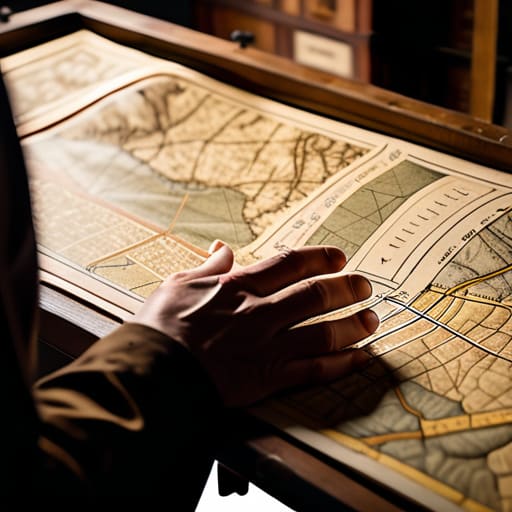
Before you head down to the basement of the courthouse, you have to understand what you’re actually looking for. Most people think these offices are just for settling property disputes, but for those of us trying to revitalise a street, they are goldmines of information. You aren’t just looking for names; you are looking for the intent behind how a neighborhood was laid out. When you start searching historical documents, you’ll find that the old plat maps and zoning decisions tell a story that the current council website simply won’t.
Don’t expect a digital dashboard to hand you everything on a silver platter. While some things are online, the real meat of the matter often requires navigating finding aids—those dusty, often confusing indexes that act as maps to the actual paper files. It can feel a bit like being lost in a library without a librarian, but once you learn the rhythm of their filing systems, you’ll see how much leverage you actually have. It’s about moving past the surface and getting into the nitty-gritty of local government archives to find the precedents that support your group’s goals.
Key Things to Know
Before you head down to the basement or the main reading room, you need to understand that these offices aren’t just dusty warehouses; they are the keepers of your neighborhood’s legal DNA. Most people walk in expecting a computer screen to do the heavy lifting, but the reality is more tactile. You’ll often find that navigating finding aids—those little index cards or specialized digital catalogs—is the real secret to success. If you don’t know what you’re looking for, you’ll spend three hours staring at a shelf of property deeds without finding a single thing useful for your committee’s case.
I’ve learned through years of local government work that there is a massive difference between casual curiosity and serious investigation. While some folks are there for genealogy research tips to trace their great-grandfather, we are looking for something more practical: proof of land use, old easements, or forgotten boundary lines. You have to be precise. Don’t just ask for “old papers”; ask for the specific ledger or the plat map from a certain decade. Being deliberately specific is the only way to stop wasting time and start getting results.
Practical Tips and Steps

When you finally step through those heavy doors, don’t just wander the aisles. The biggest mistake I see—and I’ve seen it a hundred times in my thirty years in local government—is people expecting a computer to do all the heavy lifting. Most of these offices rely on navigating finding aids, which are essentially those old, dusty index cards or specialized catalogs that tell you where the real gold is buried. I always suggest bringing a notebook and a decent pen; you’ll be surprised how much information you can lose if you rely solely on your phone’s memory.
If you are specifically interested in searching historical documents to prove a property boundary or a long-standing easement, ask the clerk for the “index of deeds” first. It’s much more efficient than hunting through random boxes. While some folks use these trips for genealogy research tips, we are looking for the legal backbone of our streets. If you find a scrap of paper that looks important, don’t just snap a photo and leave. Ask them about their photocopy policy or if they can provide a certified copy. That little bit of extra paperwork is what keeps your community project from collapsing when someone challenges your authority later on.
Common Mistakes to Avoid
The biggest blunder I see—and I’ve seen it happen in dozens of neighborhood committees—is treating the record office like a drive-thru window. People wander in, ask a single question, and leave frustrated when they don’t find a magic answer. You can’t just walk in and expect the clerk to do your homework for you. Most of the time, you need to be prepared to spend time navigating finding aids or index books before you even touch a piece of paper. If you go in without a specific name, date, or parcel number, you’re essentially just wasting your own afternoon.
Another mistake is assuming that “digital” means “complete.” Just because a county has a website doesn’t mean every deed or minute book has been scanned. I’ve seen many well-meaning organizers give up too early because the online search came up empty. In my experience, the real gold is often sitting in a physical box in the basement. You have to be willing to get your hands a little dusty and master some basic archival research techniques to find the truth about your street. Don’t let a blank computer screen tell you the history isn’t there.
Final Thoughts
I know it can feel a bit daunting when you first walk through those heavy doors, but please don’t let the dust and the silence put you off. All those rows of files aren’t just there for historians or people obsessed with genealogy research tips; they are there for you. Whether you are trying to prove a boundary line for a new community garden or investigating who actually owns that derelict lot on the corner, the answers are tucked away in those folders. You just have to be willing to do the legwork.
If I’ve learned anything from thirty years in local government, it’s that information is the best tool for change. When you show up to a council meeting with a photocopy of a deed or a historical map, you aren’t just a person with an opinion anymore—you are a person with the facts. Don’t be afraid to ask the staff for help with navigating finding aids; they are usually quite happy to point you in the right direction if you approach them with respect and a clear goal. Just remember: write everything down, keep your receipts, and never leave a meeting without a paper trail.
Five ways to make the archives work for you
- Don’t just walk in and hope for the best; call ahead to see if the clerk is actually in the office or if they’ve gone to a training day. There is nothing more disheartening than driving twenty minutes only to find a “closed for lunch” sign on a Tuesday.
- Bring a physical notebook and a proper pen. I know, digital is the trend, but trying to navigate a dusty basement with a tablet is a recipe for a headache, and you’ll want a hard copy of those meeting minutes to tuck into your folder.
- Learn the local shorthand. Every county office has its own peculiar way of filing things—some use parcel numbers, others use old street names that don’t even exist anymore—so ask the staff which “language” they speak before you start searching.
- Make copies of everything, but do it properly. If you find a deed or a planning permission document that could help your community group, don’t just snap a blurry photo on your phone; ask for a certified copy if you’re planning to use it for a formal committee meeting.
- Treat the staff like the experts they are. I’ve found that if you approach a clerk with genuine respect for their knowledge rather than acting like you’re entitled to their time, they’ll often go the extra mile to help you find that one elusive piece of paper.
## The Power in the Paperwork
“Don’t let the dusty shelves or the quiet clerks intimidate you; those files aren’t just old paper, they are the blueprints of your neighborhood, and once you learn how to read them, you stop asking for permission and start making things happen.”
Deborah Castellanos
A Final Word on the Paper Trail
Looking back at everything we’ve covered, it really comes down to one thing: preparation. You can’t just wander into the county office expecting the clerk to do your homework for you. You need to know which forms you’re hunting for, which specific property deeds you need to pull, and—most importantly—you need to bring a sturdy notebook. I’ve seen too many brilliant neighborhood initiatives stall out simply because someone forgot to verify a boundary line or misread a land registry document. If you take the time to organize your requests, double-check your dates, and keep a meticulous log of every interaction you have with the staff, you aren’t just looking at old papers; you are building a foundation of facts that no developer or council official can easily brush aside.
At the end of the day, these dusty files and bureaucratic processes might feel a bit dry, but they are actually the most powerful tools a small group of neighbors can possess. Information is the one thing that levels the playing field. When you walk into a meeting with a folder full of verified, public records, you aren’t just a group of concerned citizens anymore—you are a well-informed committee with the weight of history on your side. Don’t let the paperwork intimidate you. Grab your folder, head down to the office, and start making your mark on the map of your community.
