

I remember sitting in a drafty church hall back in ’94, watching a local residents’ group completely dissolve into nothingness. It wasn’t because they lacked passion or a decent pot of tea; it was because they spent two hours arguing about the font on a flyer and left with absolutely nothing decided. Most people think you need expensive facilitators or complex parliamentary procedures to make progress, but that’s just nonsense. If you want to learn how to run a community meeting well, you don’t need a consultant; you just need a bit of discipline and a very clear sense of purpose.
I’ve spent thirty-one years in local government watching groups succeed and, more importantly, watching them fail because they forgot to write down what they actually agreed upon. In this post, I’m going to skip the academic fluff and give you the practical, boots-on-the-ground methods I used during my years in regeneration. I’ll show you how to keep the conversation on track, how to ensure every voice is heard without losing control, and how to make sure your meeting actually results in real, tangible action for your street.
Understanding How to Run a Community Meeting Well
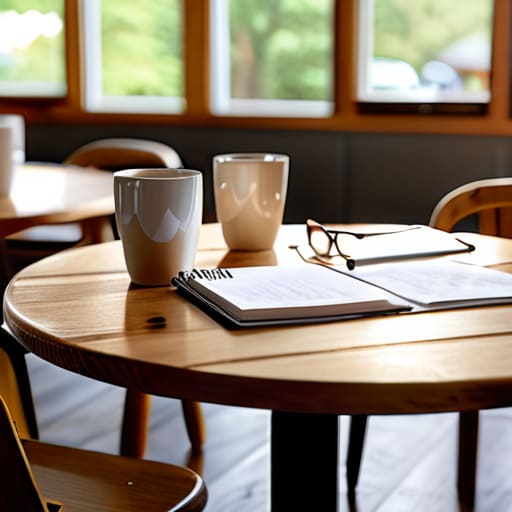
Before you even pull out the chairs, you have to understand that a meeting isn’t just a gathering; it’s a tool. In my thirty years in local government, I saw plenty of well-meaning groups fizzle out simply because they lacked a structure. You don’t need a town hall or a professional moderator to be successful. What you really need is a way to guide the conversation so that the loudest person in the room doesn’t end up making every decision. This is where creating a meeting agenda becomes your best friend. It’s not about being rigid or bureaucratic; it’s about giving everyone a roadmap so they know exactly why they’ve bothered to show up.
Once you’re actually sitting down together, the real work begins. It’s less about lecturing and more about facilitating group discussions in a way that pulls ideas out of the quietest neighbors. I’ve always believed that a good meeting should feel like a shared journey, not a courtroom drama. If you keep things focused on the task at hand, you’ll find that people feel much more respected and heard, which is the secret ingredient to keeping a group alive for the long haul.
Key Things to Know

First, you must realize that a meeting isn’t just a place to talk; it’s where decisions actually get tethered to reality. The biggest mistake I saw during my years in local government was people wandering into a room without creating a meeting agenda beforehand. Without a roadmap, you aren’t having a discussion; you’re just having a chat. A simple, printed list of three or four points ensures everyone knows why they’ve sat down and, more importantly, what they are expected to decide before the tea gets cold.
Second, you need to keep a sharp eye on the room. It’s easy for one or two loud voices to hijack the evening, leaving the quieter neighbors feeling like their input doesn’t matter. I’ve always found that inclusive meeting practices are the secret to longevity. If you can manage the personalities in the room and ensure everyone gets a turn, you build trust. And please, for the sake of the next group, make sure someone is recording meeting minutes accurately. If it isn’t written down, as far as the community is concerned, it never actually happened.
Practical Tips and Steps

Now, let’s get down to the brass tacks of actually getting through a meeting without everyone leaving feeling more frustrated than when they arrived. The first thing I always tell new committees is to start with creating a meeting agenda at least a week before you sit down. Don’t just wing it. If people know exactly what we are there to decide—whether it’s the colour of the new planters or how to split the raffle funds—they feel more respected. I’ve seen far too many good intentions wither away simply because the group spent forty minutes arguing about nothing in particular.
Once you are actually in the room, your job is less about being a boss and more about keeping the conversation on the tracks. This is where facilitating group discussions becomes an art form. You’ll inevitably have one person who wants to talk for twenty minutes about their hedge; you have to gently steer them back without being rude. I always keep a notebook handy for recording meeting minutes accurately, because if it isn’t written down, it effectively never happened. You need that paper trail to show the bank, the council, or the next group of volunteers exactly what was agreed.
Common Mistakes to Avoid
One of the biggest pitfalls I’ve seen in my thirty years of local government work is the “vague start.” People often sit down without creating a meeting agenda, and before you know it, you’ve spent forty minutes debating the color of the new flowerbeds instead of the actual budget. Without a roadmap, the meeting doesn’t just drift; it stalls. I’ve seen wonderful, well-meaning groups fall apart simply because they lacked a bit of structure to keep the conversation on track.
Another mistake is letting one or two loud voices dominate the room. If you aren’t careful with your inclusive meeting practices, you’ll end up with a committee that only represents the loudest people on the street, not the whole neighbourhood. This often leads to frustration and, eventually, people just stopping altogether. It’s also vital not to ignore the paperwork; if you aren’t recording meeting minutes accurately, you’ll find yourselves having the exact same argument three months down the line because nobody remembers what was actually decided. Decisions only stick when they are written down.
Final Thoughts
At the end of the day, don’t let the paperwork or the fear of a bit of friction stop you from starting. I’ve seen too many wonderful ideas wither away simply because nobody took the lead or, more importantly, because no one bothered with recording meeting minutes accurately. Without that paper trail, you aren’t building a movement; you’re just having a chat in a drafty community hall.
It won’t always be perfect. You’ll likely face a bit of tension, but managing meeting conflict is just part of the job when people actually care about their streets. If you focus on being organized and keeping things fair, you’ll find that people are much more willing to chip in. Remember, you don’t need a massive council budget or a room full of experts. You just need a small, dedicated group of people who are willing to sit down, follow a plan, and write things down. That is how real, lasting change begins in a neighbourhood.
Five things I’ve learned from thirty years of watching committees succeed (and fail)
- Send the agenda out at least three days before you meet. If people turn up blind, they spend the first forty minutes just trying to figure out why they are in the room, and by then, the energy is already gone.
- Appoint a proper minute-taker who isn’t just scribbling down every word said. You need someone who can capture the decisions made and the specific actions assigned, otherwise, you’ll spend your next meeting arguing about what you agreed to last time.
- Stick to a strict time limit for each topic. I know it’s tempting to let everyone have their say, but if you let one person hold the floor for twenty minutes, the quiet people will stop coming, and you’ll lose the very community you’re trying to build.
- End every meeting with a clear “Who, What, and When” list. Before anyone stands up to leave, read back exactly who is doing what task and when it needs to be done; it prevents that awful drift where everyone leaves thinking someone else is handling it.
- Keep the chair’s role focused on the process, not the politics. Your job isn’t to win the argument or have the best idea; it’s to make sure the person who is nervous actually gets a chance to speak and that the group stays on track.
The Secret to Staying Together
A meeting isn’t just a room full of people talking; it’s a fragile thing. If you don’t write down what was decided and who is actually doing the work, you’ll find yourselves having the exact same argument six months from now, and that is how good intentions simply wither away.
Deborah Castellanos
A Final Word from the Minutes
If you take nothing else away from this, please remember that a well-run meeting isn’t about following a rigid, bureaucratic script; it’s about creating a space where people feel their time is actually being respected. We’ve talked about the importance of having a clear agenda, keeping a steady hand on the clock, and—most crucially—making sure someone is actually writing things down. Without those minutes, all that wonderful energy and those brilliant ideas will simply evaporate by next Tuesday. When you combine a bit of structure with a clear sense of purpose, you move from merely talking about problems to actually building solutions that stick.
I’ve spent thirty years watching community groups rise and fall, and the difference is almost always found in the small, unglamorous details of how they organize themselves. It can feel daunting to step up and lead, but please don’t let the fear of a little disorder stop you. You don’t need a town hall or a massive grant to make a difference; you just need a few committed neighbors and the discipline to keep moving forward. Remember, a street changed by six people with a plan is far more powerful than a thousand people who just wish things were different. Now, get those minutes recorded and get to work.
