
I remember sitting in a drafty community hall in 2014, listening to a consultant in a crisp suit explain that the only way to stay safe was through multi-million pound drainage schemes and expensive, high-tech sensors. It was all very impressive on a PowerPoint slide, but it did absolutely nothing for the families on my street whose carpets were currently soaking up river water. People get so caught up in these grand, expensive myths that they forget the most important part of how to prepare for a flood is actually local coordination. You don’t need a government grant to start acting; you just need a bit of grit and a clear plan.
I’m not here to sell you on fancy gadgets or bureaucratic nonsense that won’t arrive until the water is already at your doorstep. Instead, I’m going to show you how to build a neighborhood defense plan that actually works using nothing more than a few neighbors, a shared WhatsApp group, and a bit of common sense. I will walk you through the practical, boots-on-the-ground steps to protect your homes and, more importantly, look after one another when the rain won’t stop.
Understanding How to Prepare for a Flood

Before you start moving furniture or buying sandbags, you need to look at the hard facts. I spent years looking at local authority reports, and I can tell you that guesswork is your worst enemy. Start by checking the official flood zone maps and risk assessment for your specific street. It isn’t just about whether you’ve seen a puddle on your driveway before; it’s about understanding the topography of your entire neighborhood. Knowing whether you are in a high-risk catchment area changes everything from how much you save to how you organize your neighbors.
Once you know the level of risk, you can move from theory to practical defense. This is where you start looking at protecting your home from rising water through physical barriers and sensible planning. Don’t just rely on luck; look at your property’s drainage and where the water naturally settles. I always tell my committee members that preparedness is a slow process, not a frantic one. You want to have your heavy items moved to higher ground and your vital documents tucked away well before the clouds even turn grey.
Key Things to Know
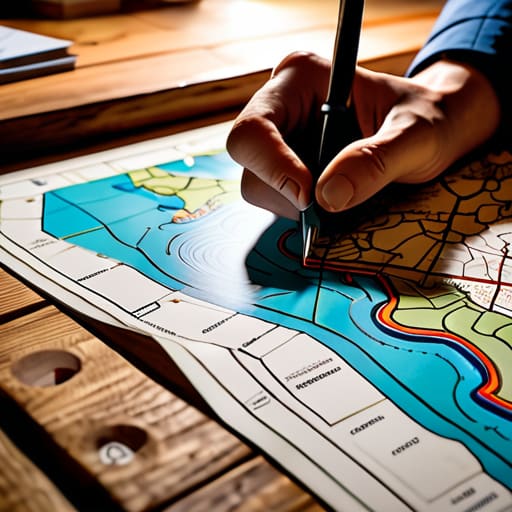
First, you must look at the hard facts of your location. I spent years looking at council data, and I cannot stress this enough: stop guessing and start looking at flood zone maps and risk assessment tools provided by the local authority. It isn’t about being alarmist; it’s about knowing if your particular corner of the street sits in a natural basin. If you don’t know your risk level, you’re just planning in the dark.
Once you have that context, you need to move from theory to practicalities. This means getting your hands dirty with some actual flood damage prevention tips, like clearing the gutters on your block or checking that your neighbors’ drains aren’t blocked by fallen leaves. It’s also about the small, domestic details—moving the precious family photo albums to the top shelf and ensuring your electrical sockets are high enough.
Finally, don’t forget the “human” element of the kit. Beyond just sandbags, make sure you have a clear flood evacuation plan checklist printed out and stuck to the fridge. If the water rises quickly, you won’t have time to search for your glasses or your medication.
Practical Tips and Steps
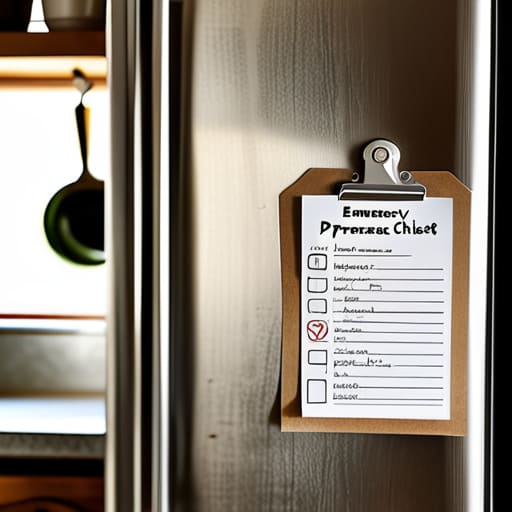
Now, let’s get down to the brass tacks of what you actually need to do before the clouds turn grey. I’ve seen too many well-meaning groups panic because they didn’t have a physical list to follow. First things first: you need a proper flood evacuation plan checklist tucked away somewhere obvious, like the fridge. It shouldn’t just be a list of exits; it needs to include who is looking after Mrs. Higgins next door and which neighbor has the heavy-duty torch. If you don’t decide this while the sun is shining, you’ll find yourselves arguing in the dark when the rain starts.
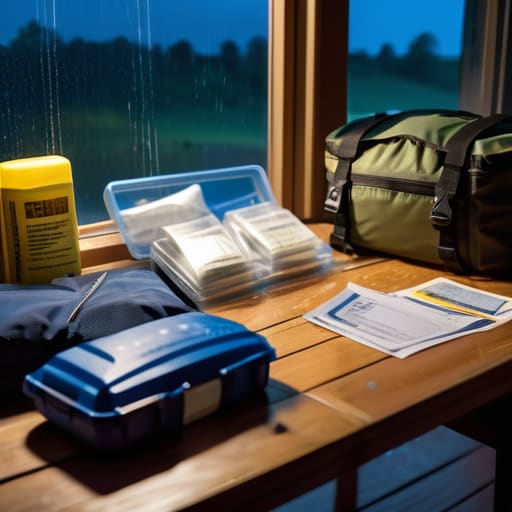
Once you have a plan, you need to look at your gear. Don’t wait until the sirens are wailing to realize you’re missing the basics. I always tell my committee members to assemble their emergency flood kit essentials well in advance—think batteries, a hand-crank radio, and enough bottled water for three days. If you’re coordinating a street-wide effort, try to organize a communal stash of sandbags. It’s much more effective to protect your property collectively than to watch each house struggle in isolation.
Common Mistakes to Avoid
One thing I saw constantly during my years in local government was the “wait and see” approach. People often assume that because they haven’t seen a puddle on their doorstep in a decade, they don’t need to act. This is a mistake. Many residents neglect to check flood zone maps and risk assessment data for their specific street, operating on nothing but a hunch. A hunch won’t stop a surge, and it certainly won’t help you when the council is telling you that your area is high-risk.
Another pitfall is the lack of coordination within a small group. I’ve seen wonderful neighborhood initiatives crumble because everyone assumed someone else had handled the paperwork. For instance, people often focus so much on the physical barriers that they forget about the financial side, like getting a clear sense of their flood insurance coverage explained in plain English. If you don’t know what’s covered before the rain starts, you’ll be left fighting a losing battle with the claims adjuster. Don’t leave your neighbors—or your bank account—vulnerable by assuming the details will just sort themselves out.
Final Thoughts
I’ve seen too many lovely community initiatives wash away—not just because of the rain, but because people didn’t have a clear plan in place when the clouds turned grey. It’s easy to feel overwhelmed when you’re staring at a rising river, but remember that resilience is built in the quiet moments before the storm arrives. Whether you are looking at local flood zone maps and risk assessment data for your street or simply moving your precious photo albums to the top shelf, every small action counts toward your collective security.
Don’t wait for the sirens to start thinking about your flood evacuation plan checklist. Sit down with your neighbors, perhaps over a cup of tea, and talk through who is helping the elderly lady on number forty-two or who has the heavy-duty sandbags. If we document these steps now, we won’t be scrambling when the water hits. It’s about more than just property; it’s about looking after one another so that when the puddles recede, our community is still standing, ready to rebuild together.
Five ways to get your street ready before the rain starts
- Don’t wait for the council to act; get five neighbors together, pool a small amount of money into a dedicated community pot, and buy a bulk supply of sandbags to share across the block.
- Make a simple, written list of who lives in which house and who might need a hand—like the elderly widow on number 42 or the single parent at number 12—so you aren’t guessing when the water starts rising.
- Start a proper paper trail now by setting up a basic WhatsApp group or a physical sign-up sheet, ensuring everyone knows exactly where the meeting point is if things get messy.
- Check your drains and street gutters today; a bit of communal effort to clear out the fallen leaves and debris can prevent a small puddle from turning into a street-wide problem.
- Keep a “go-bag” for your household, but more importantly, make sure your neighbors know where the communal emergency kit is kept, including torches, heavy-duty bin liners, and a first aid kit.
The Power of the Paper Trail
“When the clouds turn grey, you don’t need a miracle; you need a list of who has a pump, who has a van, and a shared bank account to pay for the sandbags before the first drop hits the pavement.”
Deborah Castellanos
A Final Word Before the Rain
Looking back at everything we’ve discussed, it really comes down to the basics of readiness. We’ve covered the necessity of having a clear, written plan, the importance of securing your physical property with sandbags or barriers, and—most crucially—the need to keep your emergency kit stocked and your important documents in a waterproof container. It is easy to feel overwhelmed by the sheer scale of a flood, but if you focus on these manageable, incremental steps, you move from a state of panic to a state of preparedness. Remember, the goal isn’t to stop the water, but to ensure that when it does arrive, you aren’t caught completely off guard.
If there is one thing my thirty-one years in local government taught me, it is that resilience is a collective effort. You can have the best sandbags in the world, but they mean very little if you haven’t checked on your elderly neighbor or coordinated with the house three doors down. Floods are daunting, but they also reveal the true strength of a community. Don’t wait for the clouds to turn grey to start talking to your neighbors. Start that small committee, set up a simple communication chain, and build your local support network now. A street that looks out for one another is a street that can weather any storm.
