
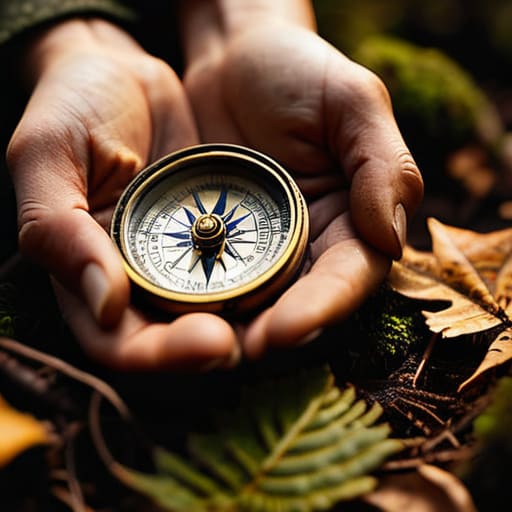
I remember sitting in a drafty village hall back in ’94, watching a lovely lady nearly burst into tears because she’d found an old Roman coin in her allotment but had no idea what to do with it. She’d spent three weeks calling various departments, only to be met with a wall of polite, bureaucratic silence. Most people think that knowing how to report a find requires a degree in archaeology or a direct line to a government minister, but that’s just nonsense. In reality, the system is often just a series of disconnected doors, and if you don’t know which handle to turn, the history stays buried in the mud.
I’m not here to give you a lecture on academic protocols or some expensive consultancy guide. I want to give you the practical, boots-on-the-ground method for getting things moving. I will show you exactly how to report a find so that the discovery actually benefits your local community rather than just gathering dust in a forgotten file. We’re going to focus on clear communication and the right people to contact, ensuring your discovery becomes a win for the neighborhood, not just another lost piece of paperwork.
Understanding How to Report a Find
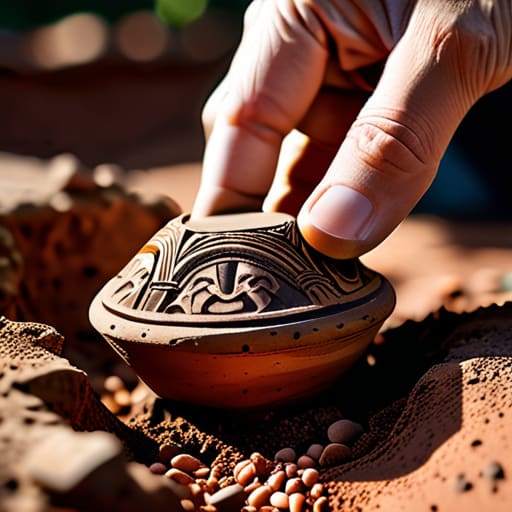
Before you go rushing off to call the local museum, you need to take a breath and look at what you’ve actually got in your hands. I’ve seen too many well-meaning neighbours accidentally wash away the context of a site because they were too eager to get to the “action” part. Whether it’s a bit of old pottery or something more substantial, the archaeological find reporting process isn’t just about handing something over; it’s about preserving the story of where it sat in the earth. If you move it without noting the exact spot, you’ve essentially broken the thread of history.
It is also vital to remember that we aren’t just playing in a sandbox; there are real legal requirements for found objects that we have to respect. Depending on what you’ve uncovered, you might find yourself navigating treasure trove laws, which can feel a bit daunting if you aren’t used to local government jargon. My advice? Keep a small notebook handy. Record the date, the weather, and exactly where you were standing. If we don’t document the “where” and the “how,” we lose the very thing that makes the object meaningful to our street.
Key Things to Know
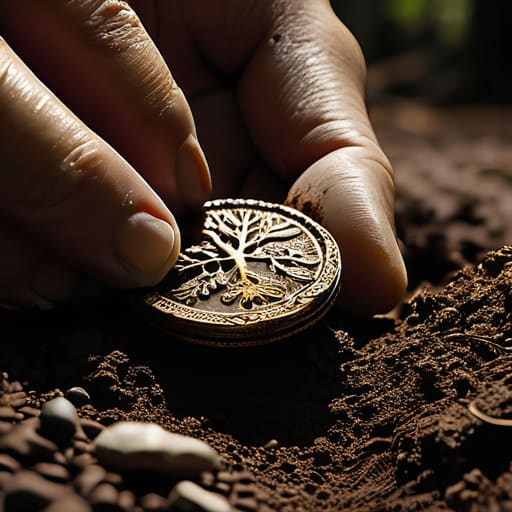
Before you go rushing off to call the local museum, there are a few practical realities we need to settle. First, you must understand that not every bit of old pottery is a major event; some things are just garden debris. However, if you stumble upon something that looks truly significant—gold, silver, or something that clearly belongs to a different era—the treasure trove laws in this country come into play immediately. It isn’t just about being a good citizen; it is about following a specific set of rules to ensure the history stays protected for everyone.
I’ve seen too many well-meaning neighbours accidentally mishandle a discovery because they didn’t realize the legal requirements for found objects were so strict. If you move something or, heaven forbid, try to clean it with harsh chemicals, you might actually damage the very history you’re trying to save. My advice? Stop where you are, take a photo, and note exactly where you found it. Keeping a clear record of the location is the most important thing you can do for the archaeological record.
Practical Tips and Steps

When you actually stumble upon something, the temptation is to pick it up, brush off the dirt, and keep walking. Please, resist that urge. The very first thing you should do is stay exactly where you are. If it’s something significant, moving it can destroy the context that archaeologists need to understand its story. I’ve seen too many good bits of history lost because someone thought they were “helping” by tidying up. Take a few clear photos from different angles—top down and side on—and note down exactly where you were standing. This kind of historical artifact documentation is much easier to do while the memory is fresh than trying to reconstruct it from a vague description three days later.
Once you have your notes, don’t feel you have to navigate the bureaucracy alone. Whether you are dealing with a stray coin or something more substantial, understanding the treasure trove laws in your area is vital to ensuring everything is handled properly. I always suggest contacting your local Finds Liaison Officer; they are wonderful people who guide you through the official channels without making you feel like you’re filling out a tax return. It’s about making sure the item is recorded correctly so the whole community benefits from the discovery.
Common Mistakes to Avoid
The biggest pitfall I see—and I’ve seen it happen in dozens of parish projects—is the urge to “keep it for a bit” to show a friend or a neighbour. Please, don’t do this. The moment you move an object from where it was discovered, you are potentially destroying the context that makes it valuable to historians. If you are dealing with something that falls under treasure trove laws, your first priority isn’t ownership; it’s preservation. Moving a coin or a shard of pottery without recording its exact position is like tearing a page out of a book before you’ve had a chance to read it.
Another mistake is assuming that “reporting” just means a quick phone call to the local council. For anything of real significance, the archaeological find reporting process requires a certain level of patience and paperwork. People often get frustrated when they don’t get an immediate answer, or they assume that because they found it on private land, the rules don’t apply to them. That is a recipe for a legal headache. Always document exactly where and when you saw the item before you even think about picking it up. It’s much easier to fix a mistake in the paperwork than it is to reconstruct a site that has been disturbed.
Final Thoughts
At the end of the day, it’s easy to feel a bit overwhelmed by the paperwork, but please don’t let that stop you from speaking up. Whether you’ve stumbled upon a bit of old pottery or something more substantial, the archaeological find reporting process is there to protect our shared history, not to make your life difficult. I’ve seen too many wonderful bits of our local heritage slip through the cracks simply because someone thought it wasn’t worth the bother of a phone call.
Remember, being thorough isn’t just about following the rules; it’s about making sure the story of our street is actually told. If you do follow the legal requirements for found objects, you aren’t just ticking a box—you are ensuring that a piece of the past is preserved for the next generation. It might feel like a lot of fuss now, but having that proper documentation is what keeps a community’s history from fading away. So, if you find something, take a breath, grab your notebook, and do the right thing. It’s worth it.
Five ways to make sure your find actually counts
- Don’t touch it more than you have to. I know it’s tempting to brush the dirt off a coin or a bit of pottery, but you’ll wipe away the very context that makes it important to the local history. Leave it exactly as it was found.
- Get a photo before you even think about moving anything. A quick snap with your phone—showing the object in relation to the ground or nearby landmarks—is worth more than any written description when you’re talking to the authorities later.
- Write down the ‘when’ and the ‘where’ immediately. My old notes from the regeneration days taught me that memory is a fickle thing. If you don’t jot down the exact spot and the time of day while you’re standing there, those details will vanish by tea time.
- Keep a paper trail from the very start. If you call a museum or a local archaeologist, write down their name and the date you spoke. If the project stalls—and they often do—you’ll need those details to pick the conversation back up.
- Check your local interest groups first. Before you go through the heavy official channels, see if there’s a local history society or a parish group that might already know the area. They often have the direct line to the right people.
The Paper Trail of Progress
“A discovery is only the beginning; if you don’t document the find and follow the proper channels immediately, that bit of history—or that community asset—simply vanishes into thin air, and we’re all the poorer for it.”
Deborah Castellanos
A final word on your discovery
At the end of the day, reporting what you’ve found isn’t about filling out endless paperwork or navigating bureaucratic red tape; it is about doing the right thing for the history of our area. We have covered the importance of noting exactly where you found an item, the necessity of contacting the local authorities promptly, and the common pitfalls, like failing to keep a clear record of your actions. If you follow these steps—documenting the location, checking the local guidelines, and notifying the proper channels—you ensure that the find is handled with the respect it deserves. Remember, keeping a simple written log of your discovery is the best way to prevent the kind of confusion that often causes these small, important moments to fall through the cracks.
I have spent thirty years watching community projects flourish or fade away, and I can tell you that it often comes down to these small, individual actions. When you take the time to report a find properly, you aren’t just following a rule; you are contributing to the collective memory of your neighbourhood. You are making sure that a piece of our shared story doesn’t simply vanish because someone was too busy to write it down. Don’t let the momentum stop with you. By taking that extra step today, you are helping to build a stronger, more connected community for tomorrow.
