

I remember sitting in a drafty community hall back in ’94, watching a perfectly good neighborhood initiative dissolve into nothing because the chair couldn’t get a single word of grievance onto paper. Everyone was shouting, everyone was offended, but nobody was actually documenting the failure. We often think that being loud or being “right” is what gets results, but that’s a dangerous mistake. If you want to actually fix a broken service or a neglected street, you don’t need a lawyer or a megaphone; you need to understand how to write an effective letter of complaint that leaves the recipient with nowhere to hide.
I’m not here to give you a template filled with empty, flowery politeness that gets filed straight into the bin. Instead, I’m going to show you how to build a paper trail that carries real weight. I’ll teach you how to strip away the emotion, stick to the unarguable facts, and present your case so clearly that even the most bureaucratic official is forced to act. We are going to turn your frustration into a formal record that demands a response.
The Paper Trail of Power How to Write an Effective Letter of Complaint

When I was working in local government, I saw so many community projects stall simply because people relied on “he said, she said” conversations. If you want to see real results, you have to move beyond the polite phone call. You need to start documenting grievances effectively by putting pen to paper. A letter isn’t just a way to vent your frustration; it is a permanent record. In my thirty years of regeneration work, I learned that a well-structured document creates a trail that a manager cannot simply ignore or “forget” during a busy Tuesday afternoon.
Don’t worry about using overly flowery language to sound important. What you actually need is a steady, professional tone in correspondence that sticks to the facts. List the dates, the names of the people you spoke to, and exactly what was promised versus what was delivered. If you are writing a letter to a manager, treat it like a piece of evidence. You aren’t asking for a favour; you are presenting a case. By keeping your account clinical and precise, you make it much harder for them to brush you off.
Weaponizing the Words Documenting Grievances Effectively for Real Change

When you sit down to write, you aren’t just venting; you are building a case. I’ve seen too many community projects stall because someone sent an angry, rambling email that was easy to ignore. If you want to succeed, you must focus on documenting grievances effectively by sticking strictly to the facts. Avoid the temptation to use adjectives like “outrageous” or “disgraceful.” Instead, use dates, times, and names. If a service provider promised a repair on Tuesday and didn’t show, don’t call them lazy—state that the agreed-upon deadline was missed.
This isn’t about being unkind; it is about maintaining a professional tone in correspondence that commands respect. When you are writing a letter to a manager, you want them to see a person who is organized and prepared, not someone having a tantrum. A clear, chronological account of what went wrong makes it much harder for them to brush you off. Remember, if this ever escalates to a formal hearing or involves the legal implications of complaint letters, your written record will be the only thing that speaks for you when you aren’t in the room.
The Architecture of Authority Using a Formal Complaint Letter Template
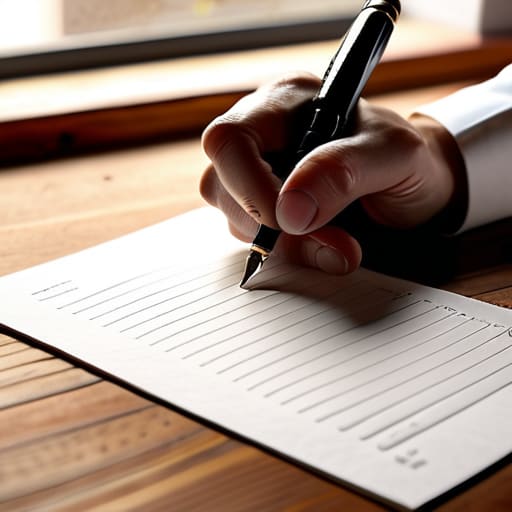
Now, I know what you’re thinking. You don’t want to spend your Sunday afternoon staring at a blank page, trying to figure out where the date goes or how to address a stranger. But there is a certain comfort in structure. Using a formal complaint letter template isn’t about being a bureaucrat—though I’ve certainly spent enough time around them to know the value of a well-placed header—it is about creating a skeleton that cannot be ignored. When you follow a set layout, you signal to the person on the other end that you aren’t just venting into the void; you are building a case.
The trick is maintaining a professional tone in correspondence while you’re actually quite cross about the situation. If you come out swinging with insults, they’ll dismiss you as a “difficult customer” and stop reading. Instead, use the template to lay out the facts chronologically. I always tell my committee members: keep the emotion in your heart and the evidence on the page. By sticking to a clear, templated format, you ensure that even if your letter is passed through five different hands, the core of your grievance remains unmistakably clear.
Precision Over Passion Mastering Professional Tone in Correspondence
I’ve sat through enough heated subcommittee meetings to know that once the shouting starts, everyone stops listening. It’s the same with a letter. When you’re writing to a manager, the instinct is to let your frustration bleed onto the page. You want them to feel your anger, but all you’re actually doing is giving them an excuse to dismiss you as “difficult.” If you want to succeed at resolving customer service issues, you have to treat your words like a surgical instrument rather than a blunt object.
A professional tone in correspondence isn’t about being cold or robotic; it’s about being unassailable. When I was working in local government, the most effective residents were those who stripped away the adjectives and stuck to the nouns. Instead of saying a service was “utterly disgraceful,” say it “failed to meet the standards outlined in the service agreement.” By removing the emotional fluff, you make it much harder for them to ignore the facts. You aren’t just venting; you are building a case that is too sturdy to be brushed aside.
Escalating the Stakes Writing a Letter to a Manager
Now, if you’ve followed the steps I’ve laid out and the initial response is still a polite shrug or a canned email, it is time to move up the ladder. Writing a letter to a manager isn’t about being difficult; it’s about acknowledging that the person you’ve been dealing with simply lacks the authority to fix the problem. When you escalate, you aren’t just complaining again—you are presenting a case to a decision-maker who has the power to actually do something.
At this stage, you must maintain a strict professional tone in correspondence. If you come across as angry or unhinged, a manager will dismiss you as a “difficult customer” and stop reading. Instead, treat the letter like a briefing note. Remind them that you have already attempted the standard channels and that you are now documenting grievances effectively for their personal review. You want them to see that you are organized, calm, and—most importantly—prepared to take the next step if this isn’t resolved.
The Final Lever Navigating Legal Implications of Complaint Letters
Now, we must tread carefully. While I am a firm believer in the power of a well-documented grievance, there is a fine line between being assertive and being litigious. When you start mentioning solicitors or specific statutes, you shift the conversation from a simple service failure to a potential legal dispute. This is where the legal implications of complaint letters become very real; once you invoke the law, the person reading your letter may no longer be allowed to resolve the issue directly and might have to hand it over to a legal department. This can often stall your progress rather than speeding it up.
If your goal is simply resolving customer service issues, keep your focus on the facts and the desired remedy. However, if you are documenting a serious breach of rights, ensure your professional tone in correspondence remains steady. You don’t need to shout to be heard, and you certainly don’t need to threaten unless you are prepared to follow through. I’ve seen many a community project grind to a halt because someone tried to play lawyer too early in the process. Keep it focused on the resolution, not the courtroom.
Five Rules for Making Sure Your Grievance Doesn't End Up in the Bin
- Keep your dates and times as sharp as a church bell; if you can’t tell them exactly when the service failed, they’ll use your vagueness as an excuse to ignore you.
- Stick to the facts like a glue; leave the “I felt” and “it was unfair” for your diary, and keep the letter focused on “this happened” and “this is the breach.”
- Name your desired outcome clearly, because a complaint without a request is just a moan; tell them exactly what will make the matter right, whether it’s a refund or a formal apology.
- Create a paper trail that can’t be denied; always send your letter via a method that provides proof of receipt, because “we never got it” is the oldest trick in the book.
- Reference previous conversations by name and date; if you’ve spoken to a clerk or a manager before, put it in writing so they can’t pretend the conversation never took place.
## The Weight of the Written Word
“A complaint born of pure anger is just noise that people learn to tune out; but a complaint built on a foundation of dates, names, and documented facts? That is a lever, and once you wedge it into the right place, even the most stubborn bureaucracy has to move.”
Deborah Castellanos
The Last Word on Making Your Voice Heard
At the end of the day, a complaint isn’t just a vent for your frustrations; it is a formal instrument of change. We have walked through the necessity of building a clear paper trail, the importance of swapping raw emotion for measured precision, and the strategic value of escalating your concerns to the right level of management. If you have followed these steps, you aren’t just sending a letter; you are providing a roadmap for a resolution. Remember that the goal isn’t to win an argument, but to document the failure so clearly that the person reading it has no choice but to act.
I have seen too many wonderful community initiatives wither away simply because someone was too tired to write down exactly what went wrong. Don’t let that be you. Whether you are writing to a utility company or a local council representative, hold onto your facts like they are precious heirlooms. When you take the time to put pen to paper with intention, you are doing more than just complaining—you are asserting your right to a functioning community. Grab your notebook, keep your records tidy, and never underestimate the quiet power of a well-documented truth.
