

I remember sitting in a drafty community hall back in ’94, watching two neighbours shout over a disputed allotment boundary while the committee secretary just sat there, hands folded, doing absolutely nothing. They both thought their memory was ironclad, but by the time the council meeting rolled around three weeks later, every single detail had drifted into a fog of “he said, she said.” It’s a tragedy that happens every single week in small groups: people lose their ground because they didn’t learn how to keep a record of a dispute while the tension was actually hot. You don’t need a law degree or a fancy digital filing system to protect your project; you just need the discipline to capture the truth before it evaporates.
I’m not here to give you a lecture on legal jargon or expensive software that no one in a volunteer group will actually use. Instead, I’m going to show you how to build a bulletproof paper trail using nothing more than a sturdy notebook and a bit of common sense. I will teach you exactly how to document the facts, the dates, and the money, so that when the inevitable argument breaks out, you aren’t relying on feelings—you’re relying on the written word.
The Paper Trail How to Keep a Record of a Dispute

I’ve seen too many lovely community projects crumble simply because someone said, “I thought you said,” or “He promised me that last Tuesday.” When a disagreement breaks out—whether it’s over a shared garden space or how a small pot of funds was spent—feelings run high, and memories become very selective. This is why I always tell my former colleagues that maintaining a dispute log is your best defense against chaos. You don’t need a fancy filing system; you just need a dedicated notebook or a simple folder where you record the facts as they happen.
Don’t wait until the argument is boiling over to start writing. You need to be practicing chronological incident reporting from the very first sign of friction. Note the date, the time, who was present, and exactly what was said. If a disagreement happens over a phone call, write it down immediately while the words are still fresh in your mind. If you are organizing evidence for mediation later on, a neat, dated list of events will carry much more weight than a vague sense of grievance. It turns a “he-said, she-said” shouting match into a clear, undeniable history.
Weaponizing the Log Maintaining a Dispute Log That Matters
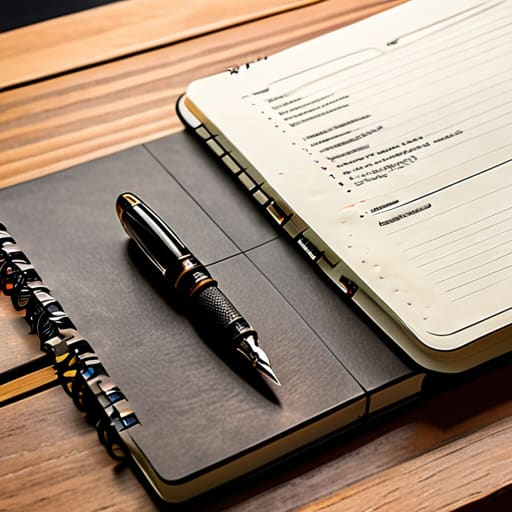
Now, a simple list of grievances won’t do much when you’re sitting across from a council officer or a mediator. You need something more robust than a scrap of paper from your handbag. I always tell my neighbors that maintaining a dispute log is about more than just venting; it is about building a structure that can stand up to scrutiny. You want a single, dedicated notebook or a clean spreadsheet where you are performing chronological incident reporting. Don’t jump around between dates. If an argument happened on a Tuesday, it stays under Tuesday.
When things get heated, your memory will betray you. You’ll remember being insulted, but you won’t remember if it was at 2:00 PM or 4:00 PM, and that distinction matters immensely when you are organizing evidence for mediation. I suggest a simple three-column approach: Date/Time, What Happened, and Who Was There. If you can attach a screenshot of a text or a photo of a broken pavement to that specific entry, you aren’t just complaining anymore—you are presenting a case. Precision is your greatest ally.
Chronological Incident Reporting Building Your Case One Entry at a Time

When I was working in neighbourhood regeneration, I saw so many good-hearted residents lose their footing simply because they tried to remember everything in their heads. Memory is a fickle thing, especially when emotions are running high and tempers are flaring. To make this work, you must commit to chronological incident reporting. This isn’t about writing a novel; it’s about the discipline of noting down exactly what happened, who was present, and what was said, immediately after the dust has settled. If you wait until the weekend to write it down, you’ve already lost the nuance that makes a record reliable.
I always tell my friends in the parish: treat every interaction like a tiny, vital piece of a larger puzzle. Whether it is a heated email or a tense conversation over a garden fence, tracking communication history ensures that nobody can move the goalposts later on. You aren’t just being pedantic; you are building a foundation of facts. By recording these events in order, you turn a messy, emotional disagreement into a clear, undeniable timeline that even the most stubborn person—or a mediator—cannot ignore.
The Digital Vault Mastering Secure Digital Evidence Storage
Now, I know what some of you are thinking—you’ve spent all morning scribbling in your notebooks, and now you’re worried about a coffee spill or a lost folder. I’ve seen enough lost parish records to know that paper is fragile. That’s why you need to move your work into a digital space. When you are organizing evidence for mediation, you cannot rely on a single physical notebook. You need a “digital vault”—a secure, backed-up location where your files live safely away from the reach of anyone trying to claim your records don’t exist.
I always suggest setting up a simple, password-protected cloud folder. Don’t just dump everything in there haphazardly, though. Treat it like a filing cabinet: create sub-folders for “Emails,” “Photos,” and “Voice Recordings.” By tracking communication history through digital scans and screenshots, you ensure that even if a device breaks, your history remains intact. Consistency is your greatest ally here. If you scan a document the same day you receive it, you aren’t just storing data; you are building an unshakeable foundation of truth.
Tracking Communication History No More He Said She Said
We’ve all been there: sitting in a drafty community hall, listening to two neighbors argue about who said what during a meeting three weeks ago. It’s exhausting, and frankly, it’s a waste of everyone’s time. When you’re tracking communication history, the goal isn’t to be a spy, but to be a witness. If a conversation happens over a garden fence or in the aisle of the church after service, don’t rely on your memory. Memory is a fickle thing, especially when emotions are running high. Instead, grab your notebook the moment you get home and jot down the date, the time, and the gist of what was actually said.
I’ve seen so many small committees fall apart because they couldn’t prove a single thing was agreed upon. This is why organizing evidence for mediation starts with the small stuff. If someone sends you a prickly text message or a vague email, don’t just delete it or let it sit in your inbox. Save it. Print it out if you have to. You want to move away from “he said, she said” and toward a clear, undeniable timeline. When you have a hard copy of a message, the argument stops being about feelings and starts being about facts.
Organizing Evidence for Mediation Turning Chaos Into Collective Power
When you finally sit down across from a mediator or a council official, you cannot walk in with a shoebox full of loose receipts and crumpled notes. That is how you lose your authority before you’ve even spoken. You need to present your information in a way that makes it impossible for them to ignore. I always tell my neighbors: don’t just show up with a grievance; show up with a structured narrative. This means taking all that hard work you put into chronological incident reporting and grouping it into logical themes—such as noise complaints, property boundaries, or failed communications.
The goal of organizing evidence for mediation is to move the conversation away from emotions and toward undeniable facts. If you can hand over a neat, indexed folder that clearly links each incident to a specific date and a piece of supporting evidence, you change the power dynamic instantly. You aren’t just a person who is upset; you are a person who is prepared. When your evidence is tidy, the mediator spends less time trying to decipher your mess and more time actually addressing the problem at hand.
Five Golden Rules for When Things Get Messy
- Don’t wait for the ‘perfect’ moment to write things down. If a heated argument happens during a Tuesday evening committee meeting, scribble the key points in your notebook before you even leave the room. Memory is a fickle thing, and by Thursday, you’ll have polished the truth until it doesn’t look like what actually happened.
- Keep your personal feelings out of the official log. It is tempting to write, “John was being incredibly rude and dismissive again,” but that won’t help you in a mediation. Instead, write: “John interrupted the Chair three times and refused to acknowledge the budget proposal.” Facts are much harder to argue with than moods.
- Always include the ‘Who, Where, and How’. A note that says “The disagreement continued” is useless. You need to know it was “The disagreement regarding the playground fence took place in the Community Hall at 7:15 PM, witnessed by Mary Smith and Peter Jones.” Context is your best friend when you’re trying to prove a pattern of behaviour.
- Save the physical evidence, even the bits that seem trivial. That crumpled flyer, the printed email with the incorrect date, or the handwritten note left on the noticeboard—put them in a physical folder. Digital copies are grand, but having the actual object can sometimes be the thing that settles a “he said, she said” argument once and for all.
- Establish a routine for your records. I always tell new groups: make it a habit to review your notes once a week. It prevents the paperwork from piling up into an unmanageable mountain, and it ensures that if a dispute escalates suddenly, you aren’t scrambling to remember what happened three months ago.
The Weight of a Written Word
In my thirty years at the council, I saw more community projects crumble because of a single argument than because of a lack of money. People forget, or they misremember, or they simply get defensive. But a notebook doesn’t have an ego; it just has the facts. If you want to stand your ground when things get heated, you don’t rely on your memory—you rely on the ink.
Deborah Castellanos
The Final Word on Your Paper Trail
At the end of the day, keeping a record isn’t about being difficult or litigious; it’s about being prepared. We have gone through the essentials: building a chronological log, securing your digital files, and ensuring that every conversation leaves a footprint. If you can manage to track the dates, the names, and the specific words used, you move from a position of frustration to a position of actual authority. You stop relying on memory—which is a fickle thing when emotions are running high—and start relying on the undeniable facts that sit right there in your notebook or your cloud storage.
I have seen too many wonderful community projects crumble simply because a disagreement turned into a shouting match and nobody could prove what was actually agreed upon. Don’t let that be your story. Whether you are facing a difficult neighbour or a stubborn local council, remember that your documentation is your greatest tool for stability. A well-kept record doesn’t just settle disputes; it protects the integrity of the work you are trying to do. Hold onto your notes, stay calm, and remember that clarity is your greatest ally when you are fighting for the street you love.
