
I spent thirty-one years in local government, and if there is one thing that drives me mad, it is the way people try to solve loneliness with massive, expensive “social inclusion programmes” and glossy brochures. You don’t need a multi-million pound budget or a professional consultant to figure out how to support isolated neighbours; in fact, most of those top-down schemes fail because they forget the people actually living on the street. I’ve sat through enough defunct parish committee meetings to know that real change doesn’t come from a council white paper, it comes from knowing who lives behind number forty-two and having a reliable way to help them.
I am not here to give you a lecture on sociological theory or a list of vague, feel-good suggestions. Instead, I am going to give you the practical, unvarnished blueprint for building a small, functional committee that actually gets things done. I will show you how to set up a simple structure, manage a tiny pot of money, and create a system that actually lasts long after the initial excitement has faded.
Understanding How to Support Isolated Neighbours

Before you can act, you have to see what’s actually happening behind those closed curtains. In my years in local government, I learned that isolation rarely announces itself with a knock on the door; it’s much quieter than that. You have to look for the subtle signs of social isolation, like the mail piling up on a porch or a garden that’s suddenly gone to seed. It isn’t about being nosy, though. It’s about noticing the gaps where a person used to be.
When we talk about helping elderly neighbors, we aren’t just talking about bringing in a bin lid. We are talking about the dignity of being seen. This requires a bit of groundwork in building neighborhood connections that feel organic rather than forced. If you go in too heavy-handed, people retreat. I always tell my committees to start with a simple, low-stakes reason to chat—perhaps a question about a plant or a bit of news from the parish hall. The goal is to create a sense of belonging, not to perform a social service.
Key Things to Know
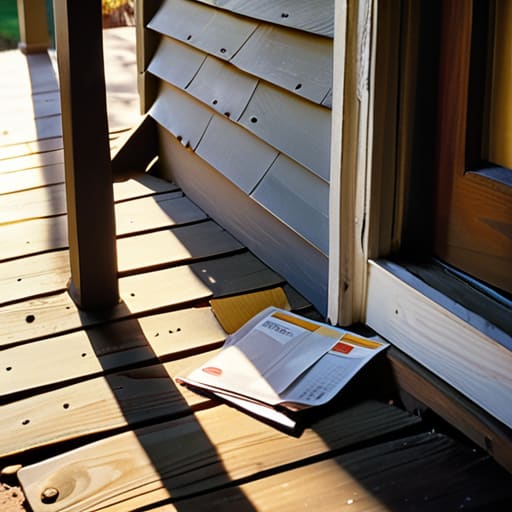
Before you go knocking on doors, you need to understand that this isn’t about “fixing” people; it’s about noticing them. One of the most important things I learned during my years in local government is that you have to look for the subtle signs of social isolation. It’s rarely a dramatic cry for help. Instead, it’s the curtains that stay drawn well past midday, the mail piling up on a doorstep, or a garden that has suddenly gone to seed. You aren’t looking for a crisis; you are looking for a change in the rhythm of a life.
When you do reach out, please remember that dignity is everything. I often tell my committee members that we must use respectful communication tips—keep it casual, keep it light, and never make them feel like a “project.” Whether you are helping elderly neighbors with a simple task or simply chatting over a garden fence, the goal is building neighborhood connections that feel organic. If you approach someone like they are a problem to be solved, they will likely shut the door. Approach them as a neighbor, and you might just find the door stays open.
Practical Tips and Steps

First, don’t try to do this alone; that’s how people burn out and give up. Instead, gather three or four people you trust—the kind of neighbors who actually show up when there’s a meeting—and establish some basic community outreach strategies. Start with something low-pressure, like a monthly tea or a simple walking group. The goal isn’t to host a grand gala, but to create consistent, predictable touchpoints. If people know that Mrs. Higgins is always at the garden gate on Tuesday mornings, it becomes much easier to spot when something isn’t quite right.
You also need to keep a sharp eye out for the subtle signs of social isolation, such as a neglected garden or curtains that stay drawn well into the afternoon. When you do reach out, remember that dignity is everything. Use respectful communication tips—don’t treat them like a project to be solved, but as a neighbor to be visited. A simple, “I was heading to the shops, can I bring you anything?” is often more effective than a formal welfare check. It’s about building a bridge, not a clipboard.
Common Mistakes to Avoid
The biggest mistake I see—and I’ve seen it in dozens of parish meetings over the years—is trying to do too much, too fast. People arrive with grand visions of massive festivals or complex programs, but they forget that a group of six people can quickly burn out if they don’t have a clear division of labor. You’ll often see well-meaning volunteers dive in without any real mental health awareness for seniors, mistakenly thinking that a loud, crowded party is the cure for loneliness. Sometimes, for someone who has been withdrawn, that much noise is actually quite overwhelming.
Another trap is the “savior complex,” where a committee decides what a street needs without actually asking the residents. If you aren’t using respectful communication tips and truly listening, you aren’t building a community; you’re just imposing a project. I’ve sat through many meetings where the organizers spoke at people rather than with them. When we fail to focus on building neighborhood connections through genuine, quiet conversation, we miss the subtle signs of social isolation that tell us what someone actually requires. Keep it steady, keep it small, and for heaven’s sake, keep it documented.
Final Thoughts
I’ve spent three decades watching well-meaning projects fizzle out because they lacked a bit of structure or, more often, a bit of paper trail. If you want to make a difference, don’t wait for a grand council initiative or a massive grant. It really does come down to those small, consistent efforts—like checking in on a widow down the lane or organizing a monthly tea for the retirees on your block. When you focus on building neighborhood connections through these tiny, repeatable actions, you create a safety net that doesn’t require a professional budget to maintain.
Just remember, you aren’t trying to be a social worker; you are simply being a neighbor. Keep your approach light and focus on respectful communication tips to ensure people feel seen rather than managed. If you can get just five or six people together with a clear set of notes and a shared goal, you’ll find that helping elderly neighbors becomes less of a daunting task and more of a natural part of your street’s rhythm. Write it down, keep it simple, and just start.
Five ways to get moving without losing your way
- Don’t try to solve loneliness with a massive gala; start with a tea and a biscuit. If you can get three people to sit in a garden for twenty minutes, you’ve already done more than most local authorities.
- Keep a simple logbook of who you’ve spoken to and what they actually said. I see too many lovely intentions vanish because nobody wrote down that Mrs. Higgins prefers a chat on Tuesdays rather than a knock on the door on a Friday.
- Find the “natural leaders” on your street—the ones who already know everyone’s business—and bring them into your little circle. You don’t need to recruit everyone, just the people who hold the social threads together.
- Be careful not to turn “support” into “surveillance.” People want to feel part of a community, not like they are being monitored by a local task force. Keep it casual, keep it neighborly.
- Set up a tiny, dedicated pot of money early on. Even if it’s just fifty pounds from a bake sale, having a physical fund for a few packets of biscuits or a new jigsaw puzzle makes the group feel real and permanent.
The Power of the Paper Trail
Isolation doesn’t stand a chance against a group of neighbors who actually bother to write things down; once you move from “we should do something” to “we have a meeting scheduled and a pot of money to pay for the tea,” the street starts to change.
Deborah Castellanos
A Final Note from My Desk
Looking back over what we have discussed, it really comes down to the basics. You don’t need a massive grant or a professional social worker to make a difference; you just need a bit of structure and a lot of patience. We have talked about the importance of spotting those quiet signs of withdrawal, the necessity of keeping clear records so your efforts don’t vanish when one person moves away, and the wisdom of starting with small, manageable steps. If you can manage a shared bank account and a simple list of who is doing what, you have already bypassed the biggest hurdle that causes most local groups to crumble. It is about building a reliable framework that supports the people, rather than letting the administration bury the mission.
I have spent thirty years watching committees rise and fall, and I can tell you this: the most lasting changes aren’t made by grand gestures, but by the steady, quiet work of neighbors looking out for neighbors. Don’t let the fear of doing it “perfectly” stop you from doing it at all. Even a tiny group of three or four people, meeting once a month to check in on the elderly gentleman at number forty-two, can change the entire temperature of a street. Grab a notebook, find two people you trust, and just start writing it down. The community is waiting for you to take that first step.
