

I remember sitting in a drafty church hall back in ’98, watching a perfectly good neighborhood flood relief committee fall apart simply because nobody knew who to call when the heavy rain started. Everyone was staring at their phones, waiting for some grand, official broadcast from the council that never came. It’s a common mistake to think that a massive government website is the only way to stay safe, but when the power goes out or the lines are down, those digital portals become useless. If you want to know how to find emergency information locally, you have to stop looking at the clouds and start looking at your own street.
I’ve spent thirty years in local government, and I’ve seen enough chaos to know that official channels are often the last to arrive. I’m not here to give you a list of useless links or complicated government jargon. Instead, I’m going to show you how to build a practical, paper-based safety net using nothing more than a few neighbors and a bit of common sense. I’ll teach you how to map out your immediate resources so that when things get difficult, you aren’t left guessing.
The Blueprint How to Find Emergency Information Locally
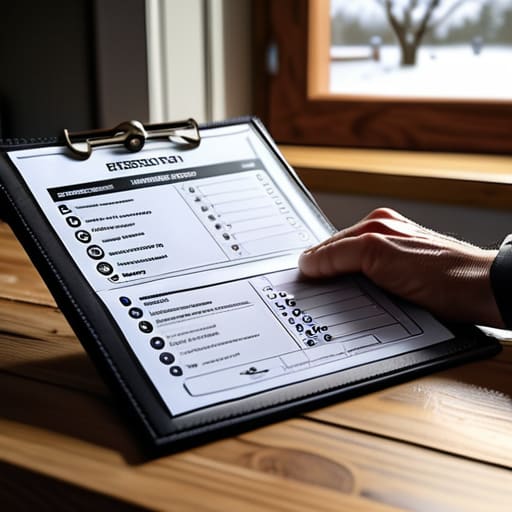
I’ve spent three decades watching well-meaning committees dissolve into chaos simply because they didn’t know who to call when the water started rising or the power went out. You cannot rely on a frantic Google search when the cell towers are struggling. Instead, you need to build a physical or digital folder that contains your local emergency management agency contacts before the crisis actually arrives. I always tell my neighbors: don’t wait for the storm to realize you don’t have the direct line to the council’s flood warden.
Start by looking beyond the main municipal website, which can be a labyrinth of broken links during a crisis. You should specifically seek out emergency alert system registration for your exact postcode; it’s often a simple checkbox on a local government page, but it is the difference between being warned and being surprised. Once you have those numbers, write them down. Print them. If we don’t create a paper trail of these vital connections, we are just six people standing in the rain with no plan.
Your Digital Lifeline Mastering Emergency Alert System Registration

Now, I know what some of you are thinking: “Deborah, I’m not a tech expert, I just want to know if the river is going to rise.” But listen to me, because this is where the modern groundwork is laid. You need to get your emergency alert system registration sorted immediately. It isn’t just about a noisy phone; it’s about receiving those direct, official pings from the council before the news even picks up the story. I spent years in local government, and I can tell you, the information sent directly to your handset is often ten minutes ahead of the radio.
Don’t just wait for a crisis to start clicking through government websites. Take twenty minutes this evening to find your specific county or borough portal. Look for the section on local government safety updates and ensure your mobile number and email are both logged. I always tell my neighbors: a single channel is a single point of failure. If you have both, you’ve doubled your chances of hearing the warning. It’s a small bit of digital housekeeping, but it’s the difference between being caught napping and being ready to move.
The Contact List Securing Local Emergency Management Agency Contacts

Now, don’t just rely on a smartphone app to tell you what’s happening. I’ve seen too many well-meaning groups fall apart because they assumed a notification would just pop up on their screen. You need to get your hands on the actual local emergency management agency contacts for your specific district. I’m talking about the direct lines to the people who coordinate the response, not just the generic 999 or 911 numbers. I used to spend my afternoons in the council offices, and I can tell you that having the specific name of a duty officer or a direct departmental extension is worth its weight in gold when the lines get busy.
I suggest you sit down with your committee—just a few of you with a notepad—and create a physical binder. Write down the phone numbers for your local council’s emergency planning unit and the non-emergency lines for your local police and fire stations. This isn’t just about being prepared; it’s about establishing your own neighborhood crisis response protocols. If the internet goes down, that paper list becomes your most precious resource. It ensures that when things get chaotic, you aren’t searching through a dead screen, but instead, you are acting on solid, verified information.
Listening to the Pulse Tracking Local Government Safety Updates
Now, don’t go assuming that a news broadcast is going to tell you everything you need to know when things go sideways. In my thirty years at the council, I saw too many well-meaning groups left in the dark because they were waiting for a headline rather than checking the source. You need to keep a sharp eye on local government safety updates, and I don’t just mean the flashy announcements on the homepage. I mean the actual departmental feeds—the ones from the highways agency or the local environmental health office. They often post the granular details about road closures or water safety long before the local news stations have even finished their coffee.
I’ve always found it best to treat these updates like a regular subscription. Set up a routine, perhaps once a week when you’re doing your community check-ins, to browse the official municipal bulletins. If you can, find the specific pages for neighborhood crisis response protocols within your borough. Most people overlook these because they look a bit dry, but that’s exactly where the useful, actionable information lives. It’s much better to have read the boring technical guidance now than to be scrambling for answers when the sirens are actually sounding.
The Neighborhood Shield Implementing Local Crisis Response Protocols
Now, all that information gathering is only half the battle. You can have the most thorough binder of local government safety updates in the world, but it won’t do a lick of good if it’s sitting on a shelf gathering dust while the street is flooding. This is where we move from being informed to being organized. I’ve seen too many well-meaning groups dissolve because they lacked a clear chain of command when things actually went sideways. You need to sit down with your committee and draft your own neighborhood crisis response protocols before the clouds even turn grey.
Don’t overcomplicate it; you aren’t the fire brigade. Your job is to define exactly who checks on the elderly lady at number forty-two and who has the keys to the community hall. I always suggest assigning specific roles—a “communications lead” to relay messages and a “resource coordinator” to manage supplies. By integrating these roles with your existing community disaster preparedness resources, you create a safety net that actually holds. It’s about making sure that when the sirens go off, everyone knows their station without needing a manual to tell them.
Beyond the Storm Community Disaster Preparedness Resources and Recovery
Once the sirens stop and the initial shock wears off, that’s when the real work begins. I’ve seen too many groups scatter once the immediate danger passes, leaving people to pick up the pieces entirely on their own. This is where your disaster recovery planning for families needs to transition into something more collective. It isn’t just about fixing a broken fence or clearing a fallen branch; it’s about checking on the widow three doors down or knowing which local hall has been designated as a temporary warming center.
I always tell my committee members that we shouldn’t just look for immediate fixes, but for long-term community disaster preparedness resources. This means keeping a folder—a physical one, mind you—of local charities, food banks, and mental health support services that step in when the official channels are stretched thin. If you’ve already sorted your neighborhood crisis response protocols, use that momentum to organize a “recovery tea” or a simple check-in meeting. It keeps the spirit of the street alive when things feel most broken.
Five Practical Ways to Keep Your Finger on the Pulse
- Don’t just rely on the big news stations; find the specific Facebook page or Twitter feed for your local parish council or district ward. That’s where the granular, street-level updates usually land first.
- Print out a physical map of your immediate area and mark the locations of the nearest community hubs—libraries, churches, or school halls—that are designated as official rest centres.
- Keep a printed directory of your local non-emergency numbers tucked into your telephone book or on the fridge; when the internet goes down during a storm, you don’t want to be hunting for a way to call the council.
- Check the “Notice Boards” section of your local council’s website once a month, even when things are calm, just to ensure you know exactly where they post their emergency bulletins.
- Talk to your neighbours about which local radio stations carry the most reliable local weather and safety reports, and make sure everyone knows which frequency to tune into if the power fails.
## The Paper Trail of Safety
“I’ve seen too many well-meaning neighborhood groups fall apart in a crisis simply because they were waiting for a broadcast that never came; you can’t rely on a siren to tell you which road is flooded, so you must build your own map of local contacts before the clouds even turn grey.”
Deborah Castellanos
A Plan in Your Pocket
We have covered a lot of ground, from registering for those vital digital alerts to mapping out the actual people in our local management agencies. It can feel a bit overwhelming, I know—looking at a list of phone numbers and government websites can make anyone feel small. But remember, the goal isn’t to become a professional emergency responder; it is simply to ensure you aren’t flying blind when the weather turns or the sirens go off. By securing your contacts, monitoring the local council’s updates, and setting up your neighborhood response protocols, you are moving from a state of uncertainty to a state of preparedness. You are building a repository of information that serves as your community’s first line of defense.
At the end of the day, my thirty years in local government taught me one thing above all else: information is only as good as the people who use it. You can have the most detailed emergency folder in the world, but it only works if you share it with the person living next door. Don’t let this knowledge sit idle in a drawer. Take what we have discussed, print out a physical copy, and bring it to your next street meeting. A well-informed neighbor is a much better asset than a panicked one. A small group of people who actually know where to look is exactly how we keep our streets safe.
