

I remember sitting in a drafty church hall back in ’94, watching two perfectly lovely neighborhood committees spend forty minutes arguing over who was supposed to bring the tea biscuits, while the actual project—a much-needed playground repair—sat gathering dust. It wasn’t a lack of heart that stalled them; it was a lack of a simple, written agreement on who was doing what. Most people think that working with others requires grand alliances or complex legal frameworks, but they’re wrong. Learning how to work with another local group isn’t about fancy diplomacy; it’s about the unsexy work of setting boundaries before the first meeting even starts.
I’ve spent thirty-one years watching groups either thrive through cooperation or crumble because they assumed everyone was on the same page. I’m not here to give you any lofty, theoretical nonsense about “synergy” or “community cohesion.” Instead, I’m going to show you the practical, boots-on-the-ground steps to build a partnership that actually lasts. I will teach you how to share the workload, manage the inevitable disagreements, and ensure that your combined efforts result in real, visible change on your street.
Beyond the Handshake How to Work With Another Local Group

It’s easy enough to meet a neighbor over a garden fence and agree that the local park needs more benches. But a friendly chat is just a starting point; if you want to actually get the benches installed, you need to move past the pleasantries. I’ve seen too many lovely ideas wither away because people assumed everyone was on the same page when they weren’t. The secret is establishing shared goals right at the beginning. Before you even look at a grant application, sit down with the other group and write out exactly what you intend to achieve. If one group wants a quiet nature reserve and the other wants a playground, you’re heading for a headache.
Once you’ve agreed on the “what,” you have to figure out the “how.” This is where many small committees trip up. You should decide early on how you will handle resource sharing between organizations, whether that’s splitting the cost of a shared storage shed or simply trading volunteers for a Saturday morning tidy-up. I always tell people to treat these arrangements with the same seriousness as a formal contract, even if you’re just two groups of friends. Write it down in a simple memo. It isn’t about being cold or bureaucratic; it’s about making sure that when the work gets difficult, you both know exactly what was promised.
Finding Your Allies Establishing Shared Goals for Real Impact

When I was working in regeneration, I saw so many well-meaning projects fizzle out because everyone thought they were on the same page, but they were actually reading from different books. You can’t just assume that because you both want “a better high street” that your aims are aligned. To make it work, you have to sit down—with tea, preferably—and get specific about establishing shared goals. If your group is focused on planting flowers and theirs is focused on tackling anti-social behaviour, you might find yourselves bumping heads rather than building something together.
The trick is to find that sweet spot where your interests overlap without losing your own identity. I always tell people to watch out for mission creep; it’s very easy to start doing someone else’s job just because they asked nicely, and before you know it, your committee is exhausted and your original purpose is forgotten. Instead, look for joint community initiatives that allow you to pool your strengths. If you have the volunteers and they have the equipment, you’ve got a partnership that actually moves the needle.
Pooling the Pot Smart Resource Sharing Between Organizations
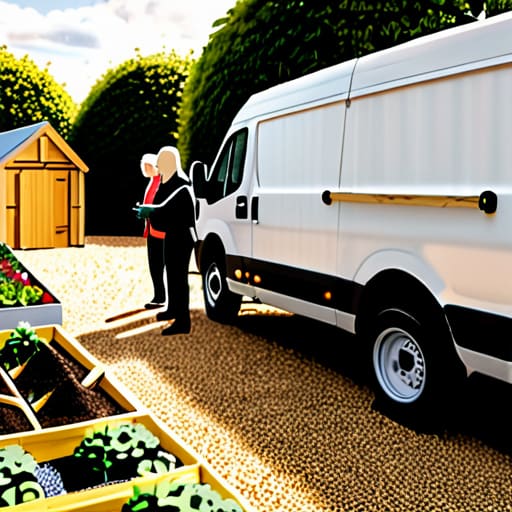
Now, let’s talk about the practicalities. In my years at the council, I saw far too many groups try to reinvent the wheel when they could have simply borrowed someone else’s. If your group has a reliable van but no storage space, and the gardening club has a shed but no wheels, you’ve just found your first joint community initiatives. Resource sharing between organizations isn’t about being cheap; it’s about being sensible. It’s much more efficient to share a single high-quality printer or a professional-grade marquee than for two separate committees to spend their limited funds buying the exact same kit.
However, you must be careful. I’ve seen well-meaning committees drift into “mission creep,” where they end up doing work that isn’t actually theirs just because they have the tools to do it. To prevent this, I always suggest a simple, written agreement. It doesn’t need to be a legal document—a few bullet points in your minutes will do—stating exactly what is being shared and for how long. Clear boundaries are the best way to keep a friendship intact when the equipment inevitably gets a bit dusty or misplaced.
The Blueprint Proven Nonprofit Partnership Models That Actually Scale
When you’re looking at different nonprofit partnership models, it’s easy to get overwhelmed by the jargon. In my years at the council, I saw plenty of groups try to merge their entire identities, only to end up in a muddle. Instead, I’ve found that the most resilient groups use a “project-based” approach. You don’t need to sign your life away to another organization; you simply agree to work together on one specific, time-bound goal—like a community garden or a summer festival. This keeps things manageable and, more importantly, it’s the best way of avoiding mission creep, ensuring you don’t accidentally start doing someone else’s job for them.
Another way to play it is through a “resource-sharing” model, where you remain entirely separate but act as a single unit for specific tasks. One group might hold the insurance and the bank account, while the other provides the volunteers and the expertise. It’s about leveraging what you already have without the headache of a full merger. If you set these boundaries clearly in writing from day one, you’ll find that these joint community initiatives can grow much larger than any of us could have managed on our own.
Stay the Course Avoiding Mission Creep in Joint Community Initiatives
It is easy enough to get swept up in the excitement of a new partnership. You meet a lovely group from the next parish, you share a cup of tea, and suddenly you’re both trying to tackle everything from litter picking to youth mental health. But this is exactly where things start to fray at the edges. I have seen so many wonderful joint community initiatives collapse not because people stopped caring, but because they tried to be everything to everyone. When you start taking on projects that don’t sit at the heart of your original purpose, you aren’t just being helpful; you are thinning your resources until there is nothing left to give.
The secret to avoiding mission creep is to keep your original “why” pinned to the noticeboard. Before you agree to a new shared project, sit down with your partners and ask: Does this actually serve our primary goal? If the answer is a hesitant “maybe,” then it’s a no. You must be disciplined about your boundaries. It isn’t being unkind to say you can’t help with a specific task; in fact, it is the most responsible thing you can do for the long-term health of your committee.
Mending the Fray Mastering Conflict Resolution in Partnerships
Now, I’ll be the first to admit that even the best-laid plans can hit a snag. In my thirty years in local government, I’ve seen more partnerships dissolve over a bruised ego or a misunderstood email than over actual budget deficits. When you are running joint community initiatives, emotions run high because everyone is working from a place of passion. If a disagreement arises about how funds are being spent or who gets to chair the next meeting, don’t let it fester in the silence of a WhatsApp group.
The trick to effective conflict resolution in partnerships is to move the conversation from the person to the process. I always tell my committees: if you feel a tension rising, pull the original minutes out of the folder. Go back to those first notes where you were establishing shared goals and remind yourselves why you sat down together in the first place. It isn’t about who is right; it’s about whether the disagreement serves the street or just the individual. Keep the minutes clear, keep the tone civil, and always keep the focus on the community goal.
Five Little Rules to Keep the Partnership from Falling Apart
- Write it all down, even the small stuff. If you agree to share the use of a community hall on Tuesday afternoons, put it in a simple email or a shared note. I’ve seen too many lovely projects crumble simply because two people remembered a conversation differently three months later.
- Keep your “why” front and centre. When you start working together, it’s easy to get distracted by a shiny new grant or a fancy new event, but always ask: does this actually help the street, or are we just being busy?
- Don’t try to be everything to everyone. If your group is great at organizing the volunteers and the other group is better at the paperwork, stick to those strengths. You don’t need to duplicate efforts; you just need to slot together like pieces of a puzzle.
- Set a regular “check-in” date that isn’t about a specific problem. A quick fifteen-minute chat once a month—even just over a cup of tea—to see how things are feeling can prevent a small misunderstanding from turning into a full-blown row.
- Respect the other group’s independence. Just because you are working together on a community garden doesn’t mean you own their committee. Let them run their meetings and make their own decisions; a partnership is a bridge, not a takeover.
The Paperwork of Partnership
“A friendly handshake is a lovely start, but it won’t hold up when the funding gets tight or the disagreements start. If you want a partnership to last longer than a single summer project, you need to sit down and write down exactly who is doing what, and who is responsible for the bank account. Good intentions are fine, but clear minutes are what actually keep a collaboration from folding.”
Deborah Castellanos
The Long View
Looking back over everything we’ve discussed, it’s clear that successful partnerships aren’t built on grand gestures or flashy announcements. They are built on the unglamorous, essential work of aligning your goals, sharing your tools, and—most importantly—writing it all down. Whether you are navigating the tricky waters of mission creep or learning how to resolve a disagreement between committee chairs, the principle remains the same: you need a clear map. If you can manage your resources wisely and keep your communication channels open, you move from being two separate groups bumping into each other to becoming a single, cohesive force for local change.
I have spent thirty years watching community projects bloom and, sadly, watching many more wither away simply because the people involved forgot to document their shared successes. Don’t let your hard work become a footnote in a defunct parish minute book. If you take the time to build these bridges properly, you aren’t just helping your own group; you are strengthening the very fabric of the neighborhood. Remember, a single committee might plant a garden, but a network of allies can transform an entire street. Now, go out there, find your people, and start building something that lasts.
