

I remember sitting in a drafty church hall in 2004, surrounded by half-eaten sandwiches and the lingering scent of damp wool, watching three of our most dedicated volunteers simply walk away. We had pulled off a wonderful street fair, but because we hadn’t sat down to actually talk about what went wrong with the tea tent or the cash box, the momentum just evaporated. Most people think learning how to debrief after an event requires a professional consultant or a thick binder of corporate jargon, but that’s nonsense. In my thirty years in local government, I learned that if you don’t capture the truth while the coffee is still warm, you’re essentially throwing your hard work into a black hole.
I’m not here to give you a lecture on management theory; I want to show you how to keep your group from folding. I’m going to share the practical, unvarnished way to sit your committee down and figure out exactly where your money and your energy actually went. My goal is to help you turn those messy, post-event conversations into a written record that ensures your next neighborhood win is even better than the last.
The Truth in the Tally How to Debrief After an Event
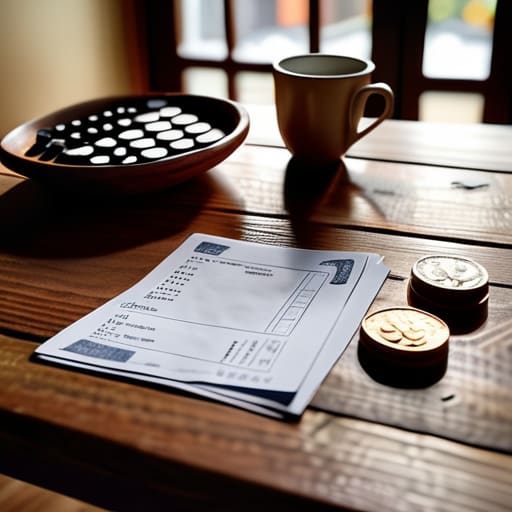
Now, I know what you’re thinking. After a long Saturday running a street fair or a summer fête, the last thing anyone wants to do is sit around a drafty community hall with a clipboard. But if you don’t look at the numbers, you’re just guessing. I’ve seen too many lovely little committees collapse because they thought they were “doing fine,” only to find their bank balance empty six months later. You need to sit down with your treasurer and look at the actual receipts. It isn’t about being stingy; it’s about measuring event success metrics that actually matter, like how much we spent on bunting versus how much we actually brought in through the cake stall.
Once the dust settles, I suggest a simple post-mortem meeting agenda that focuses on the reality of the day. Don’t just ask “was it fun?”—everyone will say yes because they’re tired. Instead, ask: “Did we run out of tea by 2 PM?” or “Why did the marquee take three hours to put up?” This creates a natural event management feedback loop that ensures next year isn’t a repeat of this year’s headaches. If we don’t record these little truths now, we’ll just keep making the same mistakes until the group eventually gives up.
Beyond the Applause Measuring Event Success Metrics That Matter
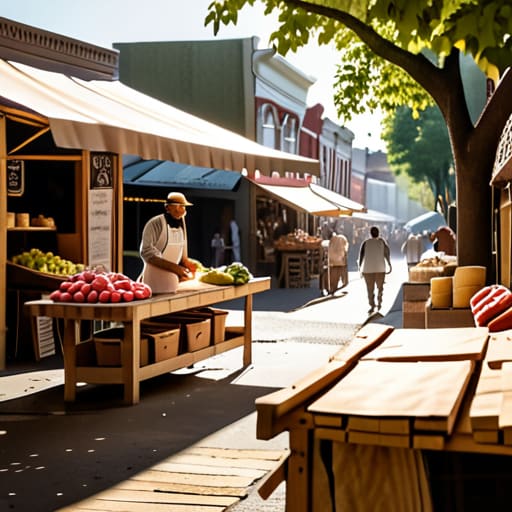
It’s easy to mistake a polite round of applause or a few “thank you” cards for actual success. I’ve seen plenty of street festivals where everyone left with a smile, only for the committee to fall apart three months later because we hadn’t actually built anything lasting. To avoid that, you need to move past the surface level and start measuring event success metrics that actually tell you if the community is stronger than it was before you started. Did the new residents actually talk to the long-term ones? Did the local butcher see a bump in sales during your market morning? Those are the numbers that matter.
I always tell my volunteers that we need a proper event management feedback loop to keep us honest. This isn’t about complex spreadsheets; it’s about asking the right people the right questions. Sit down with your local councillor, the shopkeepers, and the people who actually showed up, and ask them what worked and what felt clunky. If you don’t capture these insights while they are fresh, you’re just spinning your wheels for the next project.
The Event Stakeholder Review Listening to the Neighborhood Voice
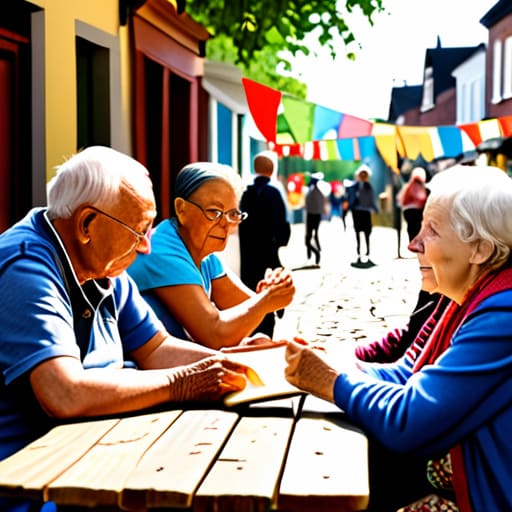
Now, don’t make the mistake of only talking to your own committee. If you only sit in a circle with the same four people who helped you hang the bunting, you’ll only ever hear what you want to hear. A proper event stakeholder review means actually stepping outside your little bubble to ask the neighbors, the local shopkeepers, and the people who actually showed up what they thought. I’ve seen so many lovely street parties fizzle out because the organizers assumed everyone was happy, when in reality, the music was too loud for the elderly residents or the bins weren’t emptied fast enough.
I like to keep it simple: send a short, polite note or just have a chat over the garden fence. You aren’t looking for a formal critique; you’re looking for the unvarnished truth. By building this kind of event management feedback loop, you ensure that the next time you hold a meeting, you aren’t just repeating the same old mistakes. It’s about showing the community that you’ve actually listened, which is the quickest way to build the trust needed to keep your group alive for years to come.
A Post Mortem Meeting Agenda for Real Change
Now, I don’t want you to mistake this for a formal board meeting where everyone sits in stiff chairs and speaks in jargon. If you want a proper post-mortem meeting agenda that actually works, you need to keep it focused. Start by laying out the hard facts: the final spend versus the budget, and the actual turnout compared to what you hoped for. I always find that if you don’t look at the numbers first, the conversation tends to drift into nothing but pleasantries and “we did a lovely job” sentimentality.
Once the figures are on the table, move into the meat of the matter: what actually broke? This is where you build a genuine event management feedback loop. Ask the volunteers what felt chaotic and ask the committee members where the communication lapsed. Don’t let anyone shy away from the hiccups; that is where the real learning lives. Finally, end the meeting by writing down three specific things you will do differently next time. If you don’t commit those changes to paper, you’re just having a chat, not planning for continuous improvement for event planners.
Closing the Loop an Event Management Feedback Loop
All of this—the numbers, the stakeholder chats, and the meeting notes—isn’t just meant to sit in a dusty folder in the community hall. If you don’t do anything with it, you’re just repeating the same mistakes next year. To truly make progress, you need to build an event management feedback loop that actually functions. This means taking what you learned and feeding it directly back into your planning for the next project. It’s about ensuring that the wisdom gained from a rainy street party or a budget shortfall becomes the foundation for your next success.
I’ve seen too many lovely little committees burn out because they treated their post-event work like a chore to be finished, rather than a tool for growth. Think of it as a cycle of continuous improvement for event planners, no matter how small the scale. Once you’ve reviewed your metrics and listened to the neighbors, write down three specific things you will do differently next time. Whether it’s changing how you handle the tea trolley or how you collect donations, documenting these small shifts is exactly how a group of six stays strong and keeps growing.
Our Post Event Evaluation Framework for Continuous Improvement
I’ve seen far too many wonderful street parties fizzle out into nothing because the organizers simply went home to sleep and forgot to look back. To stop that cycle, I rely on a simple post-event evaluation framework that I’ve refined over thirty years of local government work. It isn’t about complex software or expensive consultants; it’s about having a structured way to look at what actually happened versus what we thought would happen. You need a repeatable process that moves you from “that was fun” to “here is how we do it better next time.”
This isn’t just a one-off chat over tea. For true continuous improvement for event planners—even if your “planning team” is just three neighbors and a borrowed folding table—you must document your findings. I always tell my committee members to treat these notes like a sacred text. If we don’t record our successes and our stumbles, we are doomed to repeat the same logistical headaches every single year. Write it down, file it in the folder, and make sure the next person who takes the reins isn’t starting from zero.
Five Little Rules for Not Losing Your Mind (or Your Progress)
- Don’t wait for the next committee meeting. If you wait three weeks, the details will have evaporated like morning mist over the parish hall, and you’ll end up making the same mistakes next time. Sit down while the coffee is still warm.
- Keep a “Lessons Learned” ledger separate from your formal minutes. Minutes are for the record, but a personal notebook for the committee is where you write down the real stuff—like which vendor was late or which gate latch is broken.
- Be honest about the money, even when it’s awkward. If you went over budget on the bunting, write it down. You can’t fix a deficit if you’re too polite to admit it happened.
- Assign one person to be the “Memory Keeper.” This isn’t just about taking notes; it’s about making sure that when our current group eventually steps down, the next six people aren’t starting from scratch.
- Focus on the “Why,” not just the “What.” Don’t just record that the turnout was low; try to figure out if it was the weather, the flyer design, or if we simply picked the wrong Tuesday.
## The Cost of Silence
If you don’t sit down and write out exactly what went wrong while the memory is still fresh, you aren’t just losing a lesson—you’re guaranteeing that the same mistake will trip up the next group of volunteers next year.
Deborah Castellanos
The Paper Trail to Progress
At the end of the day, a proper debrief isn’t just about checking boxes or patting yourselves on the back for showing up. It is about the hard work of looking at your ledger, listening to the neighbors who actually attended, and honestly assessing whether your energy was spent wisely. We have talked about everything from the granular details of your budget to the broader feedback from the community, but the common thread is this: you must capture it all. If you don’t write down what worked and, more importantly, what tripped you up, you are essentially starting from scratch every single time you try to organize a street party or a garden clearance.
I have seen so many wonderful little committees flicker out simply because they lost their momentum and their memory. They had the heart, but they didn’t have the notes. Don’t let your hard work become a ghost story told by people who can’t remember why the last project failed. Use these tools to build a foundation that outlasts your current term on the committee. Remember, a well-documented event is a gift to the next group of volunteers. When you leave behind a clear map of how things were done, you aren’t just finishing an event; you are building a legacy of sustained community action that can truly transform your street.
