

I remember sitting in a drafty church hall back in ’94, watching a perfectly capable retired accountant spend three hours untangling a knot of fairy lights because the committee leader thought “everyone should help with everything.” It was a heartbreaking waste of a sharp mind, and frankly, it’s a mistake I see happening still. People think that being a good leader means giving everyone a bit of every job, but that is a recipe for burnout and resentment. If you don’t understand how to use volunteers’ skills properly, you aren’t building a community; you’re just managing a group of frustrated neighbors who will eventually stop showing up.
I’m not here to give you any fancy management theories or corporate jargon that won’t work when you’re operating out of a kitchen table. I want to show you how to look at your small group and see the actual tools you have at your disposal. I’ll be sharing the practical, unvarnished truth about matching the right person to the right task so your committee can actually get things done without losing its soul.
Stop Wasting Talent How to Use Volunteers Skills Properly
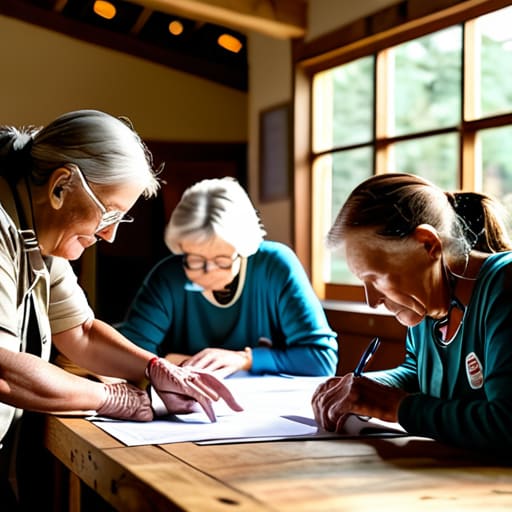
I’ve seen far too many lovely community projects crumble simply because the chairperson insisted that the retired accountant spend their Saturday afternoon picking up litter in the park. It’s well-intentioned, but it’s a waste. When we treat everyone like a generic pair of hands, we miss the real magic. You need to move away from just “assigning tasks” and start thinking about matching volunteer expertise to roles. If Mrs. Higgins from number forty-two spent her career in HR, don’t ask her to make tea; ask her to help you draft the new membership guidelines.
Real volunteer talent management isn’t about complex spreadsheets or corporate jargon; it’s about having a proper conversation before the first meeting. I always suggest a simple, informal chat to see what people actually can do, rather than just what they say they will do. When you align a person’s natural strengths with the group’s needs, they don’t just show up—they stay. People want to feel that their specific gifts are actually making a difference to the street, not just filling a gap in a rota.
The Inventory Mastering Volunteer Competency Assessment

You can’t manage what you haven’t actually measured. I see it all the time in parish meetings: a retired accountant is stuck picking up litter, while the person in charge of the books is a complete novice who struggles with a spreadsheet. To stop this, you need a proper volunteer competency assessment, but don’t let the formal name scare you. It isn’t about an interrogation; it’s about a simple, honest conversation over a cup of tea. I always suggest creating a basic list—a bit of a paper trail, if you will—where people can jot down what they actually know how to do, rather than just what they think they should do for the group.
Once you have that list, you can move toward real matching volunteer expertise to roles. This isn’t just about filling gaps; it’s about respecting people’s time. If someone has spent forty years in logistics, don’t ask them to just “help out” with the summer fete; ask them to oversee the equipment transport. When people feel their specific talents are being utilized, they stay. They don’t just show up; they invest.
Matching Volunteer Expertise to Roles for Maximum Impact

Once you have that inventory of what people can actually do, the real work begins. It’s easy to fall into the trap of “all hands on deck,” which usually results in everyone doing the same three tasks—like making tea or stuffing envelopes—while the person who used to be an accountant sits in the corner feeling useless. You have to be intentional about matching volunteer expertise to roles if you want the group to actually move forward. If Mrs. Higgins from number forty-two spent her career in HR, don’t ask her to just sweep the community hall; ask her to help you draft the new volunteer handbook.
This isn’t about being clinical or treating people like cogs in a machine; it’s about respect. When you implement proper skill-based volunteering strategies, you aren’t just getting a job done; you are showing your neighbors that you value their life’s work. I’ve seen too many lovely little committees fizzle out because the most capable people felt their time was being squandered on trivialities. Don’t let your best assets go to waste by failing to give them a meaningful way to contribute.
Precision Moves Smart Skill Based Volunteering Strategies
Once you’ve matched the right person to the right task, you can’t just let them sit idle. I’ve seen too many wonderful people join a garden committee only to be asked to pick up litter for three hours straight. That is a fast track to burnout. Instead, you need to implement actual skill-based volunteering strategies that respect their time. If your retired accountant is helping with the community fête, don’t just ask them to man the raffle stall; ask them to oversee the petty cash or look at the insurance paperwork. It keeps them feeling useful, and frankly, it keeps your books much cleaner.
The secret to long-term success lies in optimizing volunteer engagement through incremental responsibility. Start with a small, defined project that utilizes their specific strength, then gradually let them take the lead on a larger committee decision. It’s about moving from “helping out” to “taking ownership.” When people feel their professional or personal expertise is actually being utilized, they don’t just show up—they stay. And as I always say, a group that stays is a group that actually gets things done.
Optimizing Volunteer Engagement to Build Local Powerhouses
Once you’ve matched the right person to the right task, the real work begins: keeping them from drifting away. I’ve seen too many wonderful projects fizzle out simply because the people behind them felt like they were just being used as a pair of hands rather than being treated as a source of intelligence. True optimizing volunteer engagement isn’t about giving someone a checklist and a clipboard; it’s about making sure they feel the weight of their own contribution. When a retired accountant realizes their specific way of looking at a spreadsheet is the only thing keeping the community garden from going into debt, they aren’t just helping—they are invested.
You have to move beyond the “one-off” mindset. If you only call on someone when you need a heavy box moved, they’ll eventually stop answering your calls. Instead, treat your group like a living organism. Regular, brief check-ins to see if their current role still satisfies them is a vital part of volunteer talent management. If someone joined to help with social media but finds themselves stuck filing papers, you need to pivot. Don’t let their enthusiasm turn into resentment just because you were too afraid to change the plan.
Beyond the Bank Account Smarter Nonprofit Resource Allocation
When I worked in local government, I saw too many groups treat their bank balance as their only real asset. They’d spend a hundred pounds on a flyer when they actually had a neighbor who could design a professional poster for free in twenty minutes. True nonprofit resource allocation isn’t just about watching the pennies in your treasurer’s ledger; it’s about recognizing that your most precious capital is the brainpower sitting in your committee chairs. If you treat your people like mere “extra hands” for tidying up the community hall, you are effectively leaving money on the table.
To get this right, you have to look at your group through a different lens. Instead of asking, “Who is available to help with the bake sale?”, start asking, “Who in this room has the professional experience to help us navigate a grant application?” By shifting toward more intentional skill-based volunteering strategies, you stop burning through your social capital. When you stop asking people to do tasks they find soul-crushing and start matching their actual expertise to the work, you don’t just get better results—you actually keep your volunteers from walking away.
Five Ways to Stop Letting Good Hands Go to Waste
- Stop asking your accountant to pick up litter; if they’ve spent forty years with a spreadsheet, let them oversee the grant application instead.
- Don’t assume a quiet neighbor has nothing to offer; sometimes the person who doesn’t want to lead a meeting is the exact person you need to quietly manage your social media or write your newsletters.
- Give people a clear finish line; most volunteers burn out because they feel they’ve signed up for a life sentence rather than a specific, manageable task.
- Ask “What can you do?” instead of “Can you help?”; the first question respects their professional life, while the second just asks for more unpaid labor.
- Keep a simple, living list of what people actually know; I’ve seen too many groups struggle to find a treasurer simply because they forgot to write down that Mrs. Higgins from number 42 used to work in banking.
## The Cost of Doing it Wrong
“I’ve seen too many lovely community projects wither away simply because we asked the person who can balance a complex ledger to spend their Saturday picking up litter. If you don’t respect the specific talents your neighbors bring to the table, they won’t just feel underused—they’ll feel invisible, and they won’t come back for the next meeting.”
Deborah Castellanos
The Work Starts Now
We’ve covered a lot of ground, from building that initial competency inventory to ensuring your resources aren’t just sitting idle in a bank account. The takeaway is simple: if you treat your volunteers like a generic pool of “extra hands,” you are doing them—and your community—a massive disservice. You must move past the idea of just asking for “help” and start asking for specific expertise. When you match a retired accountant to your ledger or a local gardener to your park project, you aren’t just ticking boxes; you are building a sustainable foundation that doesn’t rely on one person doing everything.
I have seen too many wonderful neighborhood initiatives fizzle out because the people involved felt undervalued or, worse, overwhelmed by tasks they weren’t suited for. Don’t let your committee become another footnote in a defunct parish minute book. Use the tools we’ve discussed to respect the time and talent your neighbors are so generously offering. Remember, a well-organized group of six doesn’t just manage a budget; they reclaim a street. Now, go out there, look at the people in your circle, and put their talents to work where they can actually make a difference.
