

I spent thirty years in local government, and if there is one thing I’ve learned, it’s that people love to make simple things unnecessarily complicated. You’ll see websites promising you can unlock centuries of secrets with a single subscription fee, but let me tell you: that’s a load of rubbish. When it comes to learning how to research a local family, you don’t need a high-priced genealogist or a PhD in history to find the truth. Most of the real stories aren’t tucked away in some fancy digital archive; they are sitting in a dusty box in the basement of the parish hall or etched into the very stones of the terrace houses we walk past every day.
I’m not here to sell you a dream or a complicated software package. My goal is to show you that with a sturdy notebook, a bit of patience, and the right questions, you can piece together the lives of the people who actually built your street. I am going to give you the practical, no-nonsense steps I used during my years in community development to uncover the roots of a neighbourhood. We are going to look at the records that actually matter, and I’ll show you how to find the names that everyone else has forgotten.
The Neighborhood Audit How to Research a Local Family

Before you start poking around dusty digital databases, you need to get your boots on the ground. I always tell my former colleagues that a street isn’t just a collection of bricks; it’s a living record of the people who lived behind them. Start with a physical walk. Look at the house numbers, the odd extensions, or that one peculiar brickwork pattern that doesn’t quite match the rest of the terrace. This is the first step in interpreting historical documents that aren’t made of paper—the buildings themselves. Once you’ve noted the oddities, head straight to your local archives and libraries. Don’t just look for names; look for the connections. I’ve spent many an afternoon in quiet reading rooms, realizing that the person who owned the corner shop in 1920 is the same one who sat on the parish council in 1935.
When you finally sit down with your notes, don’t get bogged down in the overwhelming scale of it all. It’s easy to feel lost when you’re tracing ancestral roots through hundreds of years of chaos. Instead, focus on one specific dwelling or one specific decade. If you try to map the entire town at once, you’ll end up like those defunct committees I used to deal with—all enthusiasm and no direction. Pick a house, find a name, and build from there.
Digging Through Dust Mastering Local Archives and Libraries

Once you’ve finished your door-knocking, it’s time to head to the quiet bits. I’ve spent many an afternoon tucked away in the corner of the county library, and I can tell you, the real magic happens when you stop looking at screens and start looking at paper. Most people think local archives and libraries are just dusty rooms for academics, but they are actually the most practical tool for any community organizer. You aren’t just looking for names; you are looking for the context of why a family stayed or why they left.
When you start interpreting historical documents, don’t expect everything to be laid out in a neat spreadsheet. You’ll find handwritten census returns, old parish registers, and perhaps a crumbling map that shows exactly where a family’s cottage once stood. It takes patience—the kind of patience you learn from ringing church bells on a Sunday morning—but finding vital records like birth or marriage entries provides the backbone for your entire project. It’s about turning those dry bits of paper into a story that the current neighbors can actually recognize.
Cracking the Code Interpreting Historical Documents and Maps
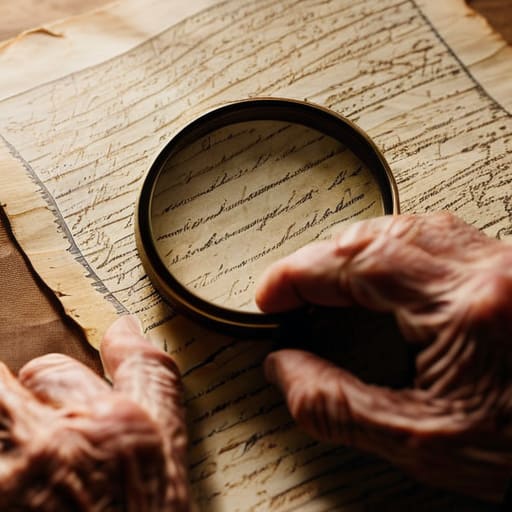
Once you’ve actually got your hands on those old census returns or property deeds, don’t let the archaic handwriting daunt you. It’s easy to stare at a smudge of ink and feel like you’ve hit a brick wall, but there is a rhythm to it. When you’re interpreting historical documents, you have to look past the ink and see the person. A sudden change in a tenant’s occupation from “weaver” to “labourer” isn’t just a clerical note; it’s a story of a shifting local economy. I always tell my friends in the parish committee to look for the gaps—the missing years or the sudden moves—because that’s usually where the real history is hiding.
The same goes for those old Ordnance Survey maps. They aren’t just lines on paper; they are blueprints of how people actually lived. If you’re serious about tracing ancestral roots, you need to overlay those old plots onto your current street. You might find that the corner shop where you buy your milk used to be a blacksmith’s forge where your great-grandfather worked. It’s about connecting the names in your notebook to the very stones under your feet.
Unlocking the Vault Finding Vital Records in the Shadows
Now, don’t go thinking that once you’ve looked at the maps, the job is done. There is a certain kind of magic—and a fair bit of frustration—in finding vital records that aren’t sitting neatly on a digital shelf. I spent years in local government seeing how much history is tucked away in the “shadows,” meaning the places people forget to look. I’m talking about the parish registers, the old baptismal logs, and even those dusty marriage certificates kept in the back of a vestry. If you want to move beyond mere guesswork in your family tree construction, you have to look for the paper trails left by the institutions that governed daily life long before we had computers to do the heavy lifting.
Sometimes, the most important clues aren’t in a grand library, but in the small, unglamorous ledgers of a local parish or a tiny municipal office. You might find a death notice or a land transfer that tells a much more human story than a census ever could. It requires a bit of patience and, frankly, a willingness to get your hands a little dusty, but that is where the real truth of a neighborhood lives.
Tracing Ancestral Roots Through Proven Genealogy Research Techniques
Once you’ve gathered your loose papers and dusty maps, you need a way to make sense of the clutter. This is where proper genealogy research techniques move from mere hobbyist curiosity into something more structured. I’ve seen so many well-meaning residents start a local history project only to lose their way because they didn’t keep a systematic log. You aren’t just looking for names; you are looking for the connective tissue between a person and a plot of land.
I always tell my friends at the parish: don’t just collect names, build a framework. When you move into the phase of family tree construction, you aren’t just drawing lines on a page; you are mapping the social fabric of your street. It requires a certain patience—the kind you learn while waiting for the church bells to settle—to ensure every branch is supported by a verified record. If you don’t document your sources as you go, you’ll find yourself three months down the line wondering if that Miller family actually lived in the terrace or just worked in the mill next door.
Building the Blueprint Finalizing Your Family Tree Construction
Now that you’ve gathered the scraps of paper, the census entries, and the old maps, you’re likely staring at a pile of disconnected names and dates. It feels a bit like being handed a box of loose bricks without a set of plans. This is where the real work of family tree construction begins. You aren’t just making a list; you are building a structure that needs to hold weight. I always tell my friends in the parish council that if you don’t build a solid foundation, the whole thing will collapse the moment someone asks a difficult question.
Don’t rush into typing everything into a flashy software program just yet. Take a physical notebook—something you can scribble in—and start grouping your findings. Look for the patterns you discovered while interpreting historical documents earlier. Do the names repeat every three generations? Does the family always seem to move toward the same parish? Once you see those threads, you can begin to weave them together. A well-constructed tree should tell a story of movement and survival, not just a sequence of births and deaths.
Five Little Lessons from the Archives
- Don’t just look for names; look for the gaps. If a family suddenly disappears from the census or the parish register, they haven’t vanished into thin air—they’ve likely moved, died, or fallen on hard times. Those gaps are where the real stories are hiding.
- Talk to the people who have lived on the street for forty years. They might not have a digital database, but they remember whose grandfather ran the corner shop and which house used to be the blacksmith’s. That kind of oral history is worth more than any expensive subscription site.
- Keep a messy notebook, not a perfect one. I’ve seen too many good projects stall because someone tried to make their notes look like a formal report from day one. Write down the half-remembered details and the “maybe” connections; you can tidy them up once you have the proof.
- Cross-reference everything twice. A man named John Smith in 1880 could be three different people living three streets apart. Never take a single document as the gospel truth; always find a second piece of paper to back up what the first one is telling you.
- Watch out for the “official” version of events. Local government records and church registers are wonderful, but they only tell you what the authorities thought was important. Sometimes the truth of a family’s life is found in the margins of a grocery ledger or a handwritten note in a donated book.
The Paper Trail of a Life
You won’t find the real story of a neighborhood in a glossy history book; you find it in the margins of a dusty parish register or a scribbled note in a committee minute, where the names of the people who actually built your street are waiting to be rediscovered.
Deborah Castellanos
Bringing the Names Home
We have covered a lot of ground, from the physical act of walking the streets to the quiet, dusty corners of the local archives. You have learned how to read between the lines of old census records, how to interpret a faded map, and how to piece together a life from nothing more than a vital record or a mention in a parish ledger. It is a meticulous process, and I know it can feel overwhelming when you are staring at a pile of unorganized notes. But remember, you aren’t just looking for dates and locations; you are performing a systematic reconstruction of the very fabric that holds your street together. By documenting these connections, you are ensuring that the foundational stories of your neighborhood don’t simply vanish when the next generation moves on.
At the end of the day, this research is about more than just satisfying a bit of curiosity or filling out a family tree. It is about stewardship. When we take the time to learn who lived in the house next door eighty years ago, we stop being strangers to our own surroundings. We begin to see our community not as a collection of bricks and mortar, but as a living, breathing lineage. I have seen many small committees fail because they lacked a sense of history, but I believe that once you know where you came from, you have a much stronger reason to fight for where you are going. Go on then, get those notes filed away, and keep looking.
