

I remember standing in the drafty vestry of St. Jude’s back in ’94, clutching a stack of damp, crumbling blueprints that looked more like a jigsaw puzzle than a floor plan. My committee was convinced we needed a high-priced surveyor and a structural engineer just to figure out if the floorboards could hold a community tea morning. That’s the trap, isn’t it? People think that learning how to research a church building requires a massive budget and a team of specialists before you’ve even cleared the first bit of dust. In my thirty years in local government, I’ve seen more projects stall because people got paralyzed by the perceived complexity of the architecture, rather than just getting their hands dirty and looking at the facts.
I’m not here to give you a lecture on Gothic revivalism or expensive architectural theory. Instead, I’m going to show you how to use your committee to find the real truth about a property—the kind of truth you won’t find in a glossy brochure. We are going to talk about the practical, boots-on-the-ground steps to vetting a site, from checking the local planning archives to sniffing out hidden maintenance nightmares. I’ll show you how to do the legwork so your group doesn’t end up with a beautiful building that’s actually a financial sinkhole.
Uncovering the Soul How to Research a Church Building
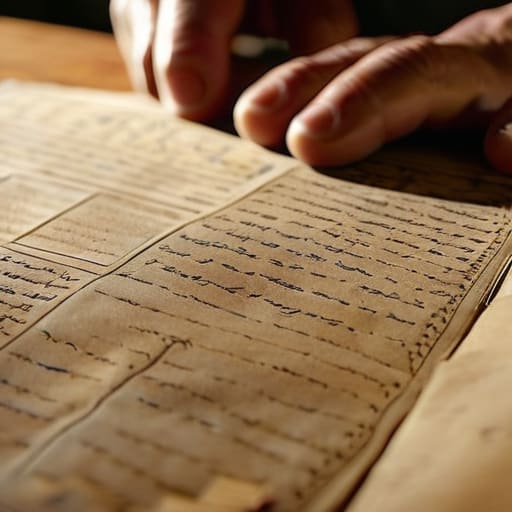
You can’t just walk in and start measuring floorboards without understanding what makes the place tick. I’ve spent enough time in dusty basements to know that a building is more than its masonry; it’s a living record. Your first step should always be a thorough parish archive investigation. Don’t just look for the date the foundation stone was laid; look for the letters, the old meeting minutes, and the records of who actually funded the roof repairs in 1924. This kind of church building provenance tells you whether you’re inheriting a community cornerstone or a structural liability.
Once you have the paperwork in hand, you need to look at the physical reality. I always suggest a bit of a historical architectural analysis, but keep it practical. You aren’t looking to become a scholar; you’re looking to see if that beautiful stained glass is held together by prayers or by solid leadwork. Take note of the layout and even perform a quick liturgical furniture inventory. Knowing what’s bolted to the floor and what’s merely resting there will save your committee a massive headache when you eventually move from the planning stage to the actual renovation.
Tracing the Lineage Through Church Building Provenance

You can’t truly understand a building until you understand whose hands have touched its walls over the centuries. I’ve spent many an afternoon squinting at faded ledger entries, and I can tell you: the real story isn’t in the bricks, but in the paper trail. To get a proper sense of church building provenance, you have to go beyond the local history books. You need to dive into a proper parish archive investigation. Look for the old vestry minutes—the ones people usually forget to save—to see how previous committees handled repairs, disputes, or even the simple addition of a new window.
It isn’t just about the structure, either. If you want to do this right, you need to conduct a basic liturgical furniture inventory. Are those pews original to the Victorian restoration, or were they a gift from a local benefactor in the 1920s? Knowing the lineage of what’s inside helps you respect the continuity of the space. When we document these details, we aren’t just playing historians; we are ensuring that the next committee doesn’t accidentally erase a century of community effort simply because they didn’t know what was already there.
The Paper Trail Deep Parish Archive Investigation
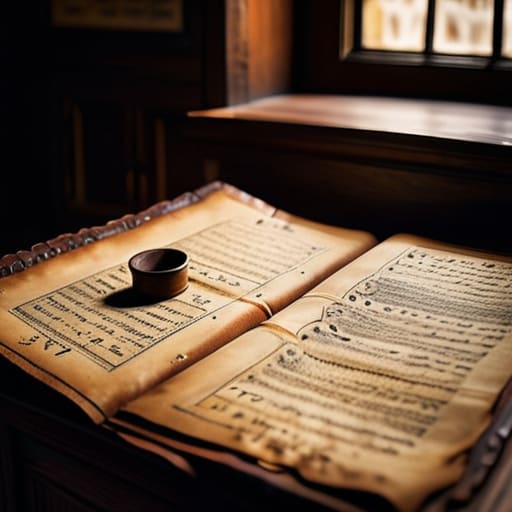
Once you’ve stepped through the heavy oak doors, it is time to head straight for the vestry or the local diocesan office. You cannot rely solely on what the current vicar remembers; memory is a fickle thing, and as I’ve seen in three decades of local government, it’s often the first thing to fade when a committee changes hands. A proper parish archive investigation is where the real truth lives. You are looking for the dusty ledgers, the handwritten minutes of building committees from the 1880s, and those precious, often overlooked, repair invoices. These papers tell you exactly what has been repaired, what has been replaced, and—most importantly—what might be rotting behind the plaster.
I always tell my committees to look for the original blueprints or structural surveys tucked away in these files. It saves a fortune in guesswork. While you are there, try to compile a basic liturgical furniture inventory as well. Knowing whether that altar or those pews are original to the structure or later additions isn’t just about aesthetics; it’s about understanding the building’s legal and historical identity before you spend a single penny of your group’s hard-earned funds on renovations.
Decoding the Walls via Historical Architectural Analysis
Once you’ve combed through the dusty ledgers, you have to look up from the paper and actually look at the stone and mortar. I’ve learned that a building tells a story that the minutes often miss. When I’m conducting a historical architectural analysis, I’m not looking for grand sweeping vistas; I’m looking for the scars of change. Look for where a window was bricked up or where a new porch was grafted onto an older nave. These aren’t just repairs; they are the physical footprints of how the community’s needs shifted over the decades.
You also need to get a proper handle on what’s actually inside. I always tell my committees to perform a thorough liturgical furniture inventory before they even think about a renovation plan. Is that font original to the 14th century, or was it a Victorian addition? Knowing the difference is vital for ecclesiastical heritage preservation. If you don’t document these details early, you might find yourself accidentally tossing out a piece of history that was meant to be the heart of your new project.
Securing the Legacy With Sacred Space Documentation
Once you have finished digging through the dusty boxes in the vestry, you cannot simply walk away and hope for the best. I have seen too many wonderful projects stumble because someone assumed the next committee would just “know” what was in the building. You must create a formal record of what you have found. This isn’t just about filing papers; it is about sacred space documentation that serves as a roadmap for anyone who follows in your footsteps. If you don’t write it down, the history you’ve worked so hard to uncover will simply evaporate.
I always tell my committees to start with a liturgical furniture inventory. It sounds terribly formal, I know, but knowing exactly what is a Victorian heirloom and what is a modern addition prevents heartbreaking mistakes during renovations. Pair this with a clear summary of your findings from your earlier parish archive investigation, and you have something truly valuable. You are building a bridge between the past and the future, ensuring that the next group of six doesn’t have to start from scratch just to figure out which wall is load-bearing.
Protecting Assets via Liturgical Furniture Inventory
Now, don’t let the grand architecture distract you from what’s actually sitting inside the nave. While we’ve spent time on the bones of the building, we must turn our attention to the moveable pieces. I’ve seen too many small committees inherit a beautiful space only to lose half its value because they didn’t realize the altar or the lectern was a genuine piece of craftsmanship. Creating a thorough liturgical furniture inventory isn’t just about making a list; it’s about establishing a baseline of what you actually own before a single person moves a chair.
I suggest you go through the sanctuary with a clipboard and a camera. Note down the wood types, the carvings, and any maker’s marks you can find on the underside of pews or communion tables. This isn’t just housekeeping; it is a vital part of ecclesiastical heritage preservation. If you ever need to apply for a grant or settle a dispute over what belongs to the parish and what was merely lent, you’ll want that paper trail. Documenting these assets now ensures that the history held within these walls isn’t just a memory, but a recorded reality.
Five Practical Ways to Get the Full Picture Before You Sign Anything
- Don’t just trust the glossy brochure; go and stand in the nave on a Tuesday morning when it’s quiet. You need to feel the damp in the corners and hear if the wind whistles through the clerestory windows. A building can look grand in a photograph but feel quite hollow—or quite precarious—in person.
- Find the person who has held the keys for thirty years. Every church has a “keeper of stories,” usually someone who knows exactly which floorboard creaks and which radiator refuses to cooperate. Their lived experience is worth more than any surveyor’s report you’ll find in a dusty folder.
- Check the local planning portal for more than just recent additions. I’ve seen too many committees get blindsided by restrictive covenants or heritage protections they didn’t know existed. You need to know exactly what the council says you can—and certainly what you cannot—do with that space.
- Dig into the utility history, not just the structural one. Ask about the heating system, the wiring, and the drainage. It sounds terribly unromantic, I know, but nothing kills a community project faster than a beautiful sanctuary that costs a fortune to keep warm or a basement that floods every November.
- Look at how the space actually flows for people, not just for liturgy. If you’re planning on hosting a coffee morning or a toddler group, you need to know if the entrance is accessible or if you’re going to be tripping over stone thresholds all afternoon. A building must serve the living, not just the architecture.
## More Than Just Brick and Mortar
“You can’t just walk into a drafty nave and hope for the best; you have to respect the history written into the very floorboards. If your committee doesn’t understand what’s buried in those parish archives or hidden in the structural bones of the building, you aren’t managing a community asset—you’re just playing with fire.”
Deborah Castellanos
The Final Ledger: Moving from Research to Reality
We have covered a great deal of ground, from the dusty depths of parish archives to the physical weight of the liturgical furniture. You now know how to trace the lineage of a building, how to decode its architectural bones, and most importantly, how to document its assets so that nothing is lost to time. It is a daunting amount of work, I know; it feels more like an audit than a community project. But remember, this isn’t just about collecting facts or filing away old blueprints. This is about building a foundation of certainty. By the time you have finished your inventory and your historical deep-dive, you won’t just have a pile of papers; you will have a comprehensive roadmap that ensures your committee isn’t flying blind when you finally sit down to make your first big decision.
I have seen too many wonderful neighborhood initiatives stumble and fade simply because the people who came before them didn’t leave a clear trail to follow. They relied on memory, and memory is a fickle thing. Don’t let your church or your community space become another “defunct committee” entry in my collection. Take these findings, put them into a folder that anyone can access, and use that knowledge to fuel your mission. A building is more than stone and mortar; it is a vessel for everything your community hopes to achieve. If you do the hard work of understanding its past, you give your committee the absolute power to shape its future.
