
I remember standing in the rain outside the old parish hall in 1994, staring at a soggy, taped-up flyer that had just fallen off a telephone pole. It was a notice about a lost cat, but it was unreadable, and more importantly, it was unconnected. People walked right past it because there was no central place to look, no sense that anyone was actually watching out for one another. Most people think you need a massive local council budget or a fancy digital app to get neighbors talking, but that’s a mistake. Learning how to set up a community noticeboard isn’t about high-tech solutions; it’s about creating a physical anchor for your street.
In this guide, I’m going to skip the bureaucratic fluff and show you the practical reality of making it work. I’ll walk you through choosing the right spot, keeping the information from becoming a cluttered mess, and—most importantly—ensuring your board stays useful for years rather than becoming a graveyard for expired flyers. We will cover the nuts and bolts of materials, maintenance, and how to get the neighbors to actually use it.
Guide Overview
Tools & Supplies
- Drill and bits for mounting to wall or post
- Level to ensure straight installation
- Measuring tape for precise placement
- Hammer for securing fasteners
- Noticeboard/Corkboard 1 unit
- Mounting hardware/screws 1 pack
- Weatherproof enclosure or plexiglass 1 unit
- Push pins or staples 1 pack
Step-by-Step Instructions
- 1. First, you need to find the right spot. Don’t just pick a random fence or a quiet corner where nobody walks; you want a place with natural foot traffic, like near the post box or the corner shop. I spent years watching regeneration projects fail simply because the “hub” was tucked away in a courtyard where only three people ever ventured. If people don’t pass it every day, it might as well not exist.
- 2. Next, decide what you’re actually pinning to it. I always tell people to keep it simple at first so it doesn’t become a mess of unreadable clutter. You’ll want a mix of official notices—like council updates or lost pets—and the more community-focused bits, like the local choir practice or a gardening swap. If it gets too crowded with junk mail, people will stop looking at it entirely.
- 3. Now, you have to sort out the physical board itself. You don’t need a fancy designer; a sturdy piece of treated plywood or even a repurposed metal cabinet will do just fine. The most important thing is that it is weatherproof. I’ve seen many a good intention ruined by a heavy rainstorm that turned a lovely community flyer into a grey, soggy pulp within twenty minutes.
- 4. Once the board is up, you need to assign a “custodian.” This sounds a bit formal, but it’s vital. You don’t need a whole committee for this, just one person who agrees to walk past once a week to tidy things up. If you let old, expired notices sit there for months, the board starts to look neglected, and a neglected board sends the wrong message to the neighborhood.
- 5. You also need to establish some ground rules for what gets posted. I usually suggest a simple “one sheet per person” rule to prevent any one neighbor from hogging the space. It’s best to have a small, clear policy tucked into the corner of the board that says things like “no political campaigning” or “no commercial advertising.” It saves a lot of heartache and prevents those awkward arguments over tea later on.
- 6. Finally, make sure there is a way for people to contact the group if they have something to add. A small slot for a suggestion box or even just a laminated note with an email address makes a world of difference. You want to turn that piece of wood into a two-way conversation, rather than just a place where people glance at paper and keep walking.
Understanding How to Set Up a Community Noticeboard
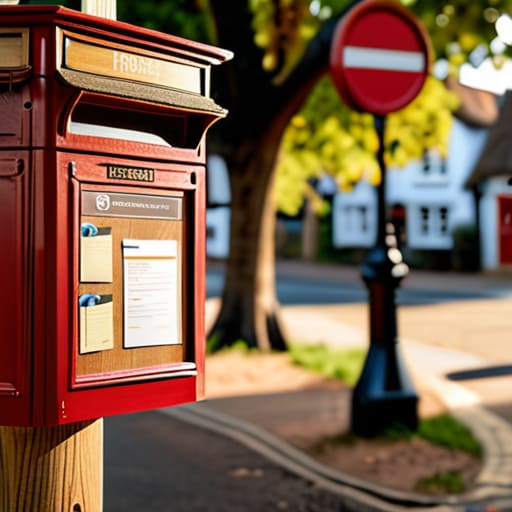
Before you go out and buy the biggest piece of timber you can find, you have to think about the “why” behind it. In my years at the council, I saw too many lovely projects wither away because they were placed in a corner where nobody actually walked. When considering outdoor noticeboard placement, don’t just look for a flat wall; look for a natural crossroads. It needs to be somewhere people pause—near the post box, the bus stop, or the corner shop. If people have to go out of their way to read it, they simply won’t.
I also tell my committee friends that a board is more than just a piece of wood; it is one of your most vital community engagement tools. It acts as a silent facilitator. To keep it from becoming a cluttered mess of old flyers, you need a bit of discipline. I always suggest a simple rule for bulletin board management: if a notice is more than a month old, it goes in the recycling. A tidy board commands respect, whereas a messy one just looks like litter.
Key Things to Know

Now, before you go out and buy the timber, there is a bit of practical wisdom I’ve gathered from years of seeing these things either flourish or fall into disrepair. First, you must consider outdoor noticeboard placement with a bit of care. It isn’t enough to just stick it on a fence; it needs to be in a spot where people naturally linger—near a post box, a bus stop, or the village shop entrance. If people have to go out of their way to see it, they simply won’t. I’ve seen many lovely boards become nothing more than a place for lost cats and old flyers because they were tucked away in a corner where no one ever walks.
Secondly, remember that a board is only useful if it stays current. Effective bulletin board management is less about the physical board and more about the rhythm of the people running it. I always suggest appointing one person to do a “sweep” once a week. If a flyer is for an event that happened last Tuesday, it has to go. A cluttered board sends a message that the group has stopped caring, and once that perception sets in, it is very hard to get the neighborhood’s attention back.
Practical Tips and Steps
Now, if you want this to actually work long-term, you have to think about more than just the wood and the nails. One thing I learned during my years in local government is that a board only stays useful if it stays fresh. If people walk past it every day and see the same flyer for a bake sale from three months ago, they’ll stop looking entirely. You need a simple system for bulletin board management—perhaps a quick monthly check by one of your committee members to pin up new notices and take down the old ones.
Location is your other big hurdle. When considering outdoor noticeboard placement, don’t just stick it anywhere. It needs to be in a natural “dwell zone”—somewhere people naturally pause, like near a post box or a well-used bus stop. If it’s tucked away in a dark corner, it might as well not exist. I always tell my neighbors: visibility is everything. If it’s easy to see and easy to read, you’ve already won half the battle in getting the street to talk to one another.
Five Ways to Keep the Board from Becoming a Graveyard
- Watch the expiration dates. There is nothing more demoralizing for a neighborhood than seeing a flyer for a summer fete pinned up in late November; it makes the whole committee look like they’ve gone to sleep.
- Guard the space fiercely. It is tempting to let everyone pin whatever they like, but if you let the board become a dumping ground for lost cats and supermarket coupons, people will stop looking at it for the important stuff.
- Rotation is your best friend. I always tell my committees to have a designated ‘Board Warden’—someone who spends five minutes every Tuesday morning weeding out the old news so the fresh information actually has room to breathe.
- Location is everything, but visibility isn’t enough. You need a spot where people naturally pause—near the post box or the shop entrance—rather than a corner where they have to actively hunt for it.
- Keep it tidy, even if it’s DIY. A board covered in messy, overlapping scraps of paper looks like clutter, but a board with neat borders and clear headings looks like a community that actually has its act together.
More Than Just Paper and Pins
A noticeboard isn’t just a place to pin a lost cat flyer or a parish meeting date; it’s the physical proof that a street is actually talking to itself. If you don’t give people a central place to see what’s happening, they’ll eventually stop caring about what’s happening altogether.
Deborah Castellanos
The Final Nail (and the First Pin)
At the end of the day, setting up a noticeboard isn’t about finding the most expensive weather-proof cabinet or the perfect shade of paint. It’s about the logistics we’ve discussed: choosing a spot where people actually linger, deciding who has the final say on what gets pinned up, and making sure that someone is actually responsible for clearing off the old flyers for the lost cat from three months ago. If you get the location right and keep the maintenance simple, you’ve already done the heavy lifting. Don’t overcomplicate the structure; just ensure there is a clear process for how information flows, or you’ll end up with a cluttered mess that everyone eventually ignores.
I’ve seen so many wonderful neighborhood initiatives fizzle out simply because people stopped talking to one another. A noticeboard is more than just wood and cork; it is a physical anchor for your community. It turns a collection of strangers living behind similar front doors into a group of neighbors who actually know what’s happening on their own street. So, grab those few volunteers, get that board mounted, and start pinning. It might feel small, but small actions documented are exactly how real, lasting change begins.
