

I remember sitting in a drafty church hall back in ’98, staring at a pile of mismatched invoices and a leaking roof that had cost our community garden committee far too much money. We had hired a man based entirely on a firm handshake and a recommendation from someone who hadn’t actually seen the work being done. It was a hard lesson learned: when you are managing a collective pot of money, you can’t afford to be polite at the expense of being practical. People often think that knowing how to check a tradesperson requires some expensive consultant or a degree in engineering, but that’s just nonsense. In reality, it’s about having the backbone to ask the right questions before the first hammer even swings.
I’m not here to give you a lecture or a list of fancy industry jargon that won’t help you when a plumber is standing in your hallway. Instead, I’m going to share the straight-talking, practical steps I’ve gathered from thirty years of seeing what works and what falls apart. I will show you exactly how to vet a worker so you can protect your budget and your peace of mind.
The Blueprint for How to Check a Tradesperson Before They Start

Now, I’ve seen too many community projects stumble because a well-meaning volunteer hired a “handyman” who turned out to be anything but. To avoid that headache, you need a bit of a system. I always tell my committee members to start with trade association membership verification. It isn’t just about a badge on a van; it’s about knowing they belong to a body that holds them to a standard. If they claim to be a specialist, don’t be afraid to ask for proof of their certifications. Verifying professional qualifications might feel a bit formal for a small group, but it’s much easier than explaining a botched electrical job to the parish council later.
Once you’ve checked their papers, you need to look at their track record. I’m a big believer in asking for customer testimonials, but don’t just take their word for it—ask for a phone number of someone they worked for last month. Most importantly, never let a job begin without checking public liability insurance. If a ladder slips and cracks a neighbor’s window, you want their insurance to handle it, not your precious community fund.
Dont Skip the Paperwork Verifying Professional Qualifications First
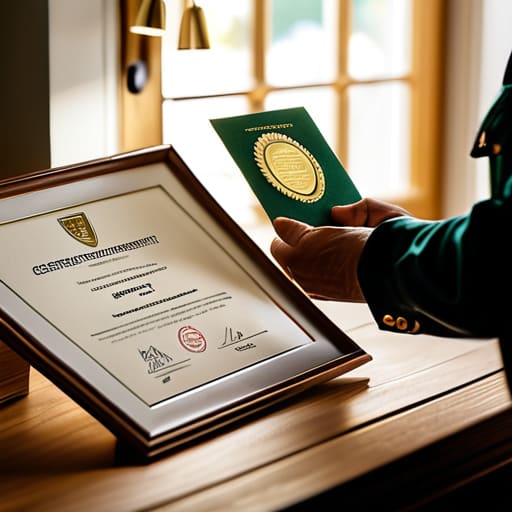
Now, I know what you’re thinking—it feels a bit cold, almost like you’re interrogating a friend, to ask for certificates and ID. But I’ve seen too many lovely community projects grind to a halt because someone assumed a “friendly face” was a substitute for a valid license. When you are verifying professional qualifications, don’t just take a photocopy at face value. A clever person can print a certificate from the internet, but a real professional won’t blink an eye when you ask to see the original or check it against the official registry online.
It isn’t just about their skill with a hammer or a wrench, though; it’s about protection. I always tell my committee members that checking public liability insurance is non-negotiable. If a workman accidentally knocks through a water pipe or trips a neighbor, you need to know there is a policy in place to cover the damage. Without that paper trail, your small group’s hard-earned bank account is the only thing standing between you and a very expensive legal headache. It’s better to be a little bit “fussy” now than to be left holding the bill later.
Protect Your Assets by Checking Public Liability Insurance Today

Now, let’s talk about the safety net. Even if you’ve spent hours verifying professional qualifications, there is one piece of paper that matters more than any certificate: the public liability insurance policy. I’ve seen too many small community groups—well-meaning people just trying to fix a local park bench—end up in a legal nightmare because a worker tripped over a tool or, heaven forbid, caused damage to the property. If they aren’t insured, that financial burden falls squarely on your committee’s shoulders, and your little community fund will vanish in a heartbeat.
Don’t just take their word for it; never accept a verbal promise that they are covered. You need to see the actual document. Ask them to email a digital copy or show you the certificate in person. When you are checking public liability insurance, make sure the policy is current and that the coverage amount is sufficient for the specific job they are doing. If they hesitate or start making excuses about why they “don’t need it for a small job,” take that as a sign. It’s better to be a bit of a nuisance now than to be broke later.
Vetting Contractor Credentials to Build Your Neighborhood Trust
Once you’ve seen the certificates and the insurance, you need to see if they actually do what they say they do. I’ve seen too many community projects stall because a contractor promised the moon but couldn’t even finish a simple paving job on time. When you are vetting contractor credentials, don’t just take their word for it. Ask for the names of three recent clients—ideally people in your own area—and give them a ring. A quick five-minute chat with a previous customer can tell you more than any glossy brochure ever could.
While you’re at it, look for trade association membership verification. Being part of a recognized body means they have a standard to uphold and a way to settle disputes if things go sideways. It’s about more than just technical skill; it’s about accountability. If a contractor seems defensive when you start asking for customer testimonials, take that as a warning sign. In my experience, the best workers are always happy to let their reputation do the heavy lifting for them.
Why Trade Association Membership Verification Is Your Best Defense
Now, I’ve seen many a well-meaning community project stumble because they relied on a handshake and a “trust me” from a local handyman. While checking public liability insurance is a vital first step, it doesn’t tell you if the person actually knows the nuances of their craft. That’s where trade association membership verification becomes your strongest shield. Being part of a recognized body means they’ve agreed to a code of conduct and, more importantly, they are subject to oversight. If they do a poor job or behave unprofessionally, they risk losing that badge of honour.
Think of it like our parish council meetings; we have rules and standards to ensure things don’t descend into chaos. When you’re vetting contractor credentials, look for those logos of respected trade bodies. It’s an extra layer of accountability that goes beyond just having the right tools. It’s about knowing there is a standard to hold them to if things go sideways. Don’t just take their word for it—verify that their membership is current and active. It’s much easier to do this due diligence now than to try and fix a botched job later.
Spotting Red Flags and Asking for Customer Testimonials
Now, even if you’ve done the heavy lifting of verifying professional qualifications and checking their insurance, you still need to trust your gut. I’ve sat in enough community meetings to know that a polished brochure can hide a multitude of sins. When you’re asking for customer testimonials, don’t just settle for the glowing quotes printed on their website. A website is a curated gallery; a neighbor’s driveway is the real truth. I always suggest calling a previous client directly. Ask them something specific, like whether the worker showed up when they said they would, or if they left a mess behind. If a contractor gets defensive when you ask for references, that’s your first warning sign.
Keep a sharp eye out for those little inconsistencies that signal trouble. I’ve seen many a neighborhood project stumble because someone ignored the subtle hints. If they insist on being paid in cash upfront before a single brick is laid, or if their verbal estimate changes wildly every time you speak, take a step back. Identifying red flags in contractors isn’t about being difficult; it’s about being a good steward of your committee’s hard-earned funds.
Five Golden Rules for Keeping Your Committee’s Funds Safe
- Always insist on a written quote that breaks down labour and materials separately; a vague “lump sum” on a scrap of paper is a recipe for a budget blowout that your treasurer will never forgive you for.
- Never pay the full amount upfront, no matter how much they swear they need it for “supplies”—a sensible deposit is fine, but keep enough back to ensure they actually finish the job to the standard you expected.
- If you’re hiring someone for a larger community project, ask to see their recent work in person rather than just looking at glossy photos on a website; a quick walk down the street to see a job they actually completed tells you more than any brochure.
- Make sure the person you’re talking to is actually the one doing the work, as I’ve seen too many “main contractors” sub-contract the entire job to a stranger who hasn’t been vetted by your committee at all.
- Keep a simple paper trail of every conversation and decision made regarding the hire; if a dispute arises later, you’ll want those minutes to show exactly what was agreed upon so you aren’t left guessing.
## A Lesson from Thirty Years of Local Government
“I’ve seen too many wonderful community projects crumble not because they lacked the heart or the funding, but because they handed the keys to someone who hadn’t been properly vetted. In a small committee, your reputation is your only real currency—don’t spend it all on a tradesperson who can’t show you their papers.”
Deborah Castellanos
A Final Word Before You Pick Up the Phone
At the end of the day, checking a tradesperson isn’t about being difficult or suspicious; it’s about being responsible with the resources your group has worked so hard to collect. We have gone through the checklist: verifying those professional qualifications, ensuring the public liability insurance is current, and double-checking their trade association memberships. I have seen too many community projects stumble because they rushed into a contract without seeing a single piece of paperwork. If you take those extra ten minutes to vet their credentials and ask for real references, you aren’t just protecting your bank account—you are protecting the trust your neighbours have placed in you to manage these funds wisely.
Remember, every great improvement to our streets starts with a single, well-managed decision. Whether you are fixing a broken playground gate or renovating a community hall, the quality of the work depends entirely on the people you let through the door. Don’t let a lack of due diligence turn a wonderful opportunity into a cautionary tale that ends up in the minutes of your next meeting. Be thorough, be firm, and stay diligent. If you do the groundwork right now, you can spend your energy enjoying the results instead of cleaning up a mess.
