

I remember sitting in a damp community hall back in ’94, staring at a broken-down marquee and a pile of rusted garden tools, wondering why everyone insisted we needed a massive capital grant just to get a street party off the ground. There is this ridiculous, expensive myth floating around that if you want to do something meaningful for your neighborhood, you have to own everything outright or wait for a council cheque that might never arrive. It’s a waste of energy. Most of the time, the secret to actually getting things done isn’t about what’s in your bank account, but knowing exactly how to borrow equipment from the people and places already sitting right on your doorstep.
I’ve spent thirty-one years watching groups succeed and, more importantly, watching them fail because they didn’t have the right tools—or the right paperwork. I am not here to give you a lecture on procurement or fancy logistics; I’m here to tell you how to actually make it work without breaking the bank. I will show you how to build those vital local connections and, crucially, how to keep a simple record of it all so the next person isn’t left scratching their head.
Understanding How to Borrow Equipment
Before you go out and buy a heavy-duty lawnmower or a professional-grade marquee, you need to decide where your supplies will actually come from. In my experience with neighbourhood projects, the most sustainable way to start is by embracing a library of things concept. This doesn’t mean you need a dedicated building; it often starts with a simple spreadsheet shared among your six committee members. You’ll find that borrowing tools from neighbors is often more effective than any formal rental, provided you have a clear system for tracking who has what.
However, being a good neighbor requires more than just a polite “thank you.” If you’re using someone else’s drill or a community van, you must have a written understanding regarding liability for borrowed items. I’ve seen too many lovely little groups fall apart because a borrowed ladder broke and nobody knew who was responsible for the repair. You don’t need a legal team, but you do need a simple, one-page sheet that outlines what happens if something goes wrong. It’s about protecting the friendship as much as the equipment.
Key Things to Know

Before you go out and grab a drill or a heavy-duty ladder, you need to have a clear understanding of who is actually responsible when things go sideways. I’ve seen too many lovely neighborhood projects grind to a halt because a borrowed hedge trimmer broke and nobody knew who was meant to pay for the repair. It’s vital to establish clear liability for borrowed items right at the start. Whether you are borrowing tools from neighbors or using a formal community hub, there should be a simple, written understanding of what happens if something snaps or fails.
I’m a big believer in the library of things concept for small committees, but it only works if you have a basic set of rules. You don’t need a thirty-page legal document, but you do need a sensible approach to equipment maintenance and care. If the group is using a shared fund, decide early on if that money covers accidental breakage or if the person borrowing the item is on the hook. Being upfront about these little details prevents the kind of friction that turns a helpful neighbor into a resentful one.
Practical Tips and Steps
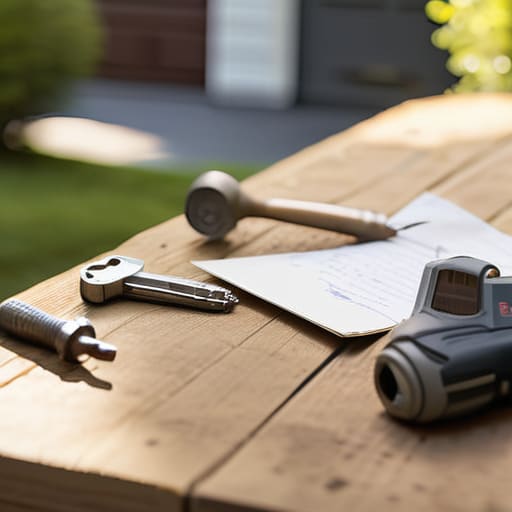
Now, let’s get down to the brass tacks of actually getting the gear into your hands. If you are starting small, I always suggest looking at the library of things concept within your own street. Before you go spending the group’s precious pennies on a professional rental, see if Mr. Henderson on number forty-two has a heavy-duty drill gathering dust in his shed. Borrowing tools from neighbors is the most cost-effective way to start, but you mustn’t be casual about it. Even between friends, I always insist we have a simple, written note stating who has what and when it’s due back.
When you do have to step up to professional hire companies, don’t just sign the dotted line blindly. You need to be very clear on the liability for borrowed items before the van pulls away. I’ve seen many a lovely community garden project stall because a borrowed tiller broke and the committee ended up in a heated argument over who would pay for the repairs. Make sure your group has a clear, agreed-upon way to handle accidental breakage so that a bit of bad luck doesn’t end your momentum.
Common Mistakes to Avoid
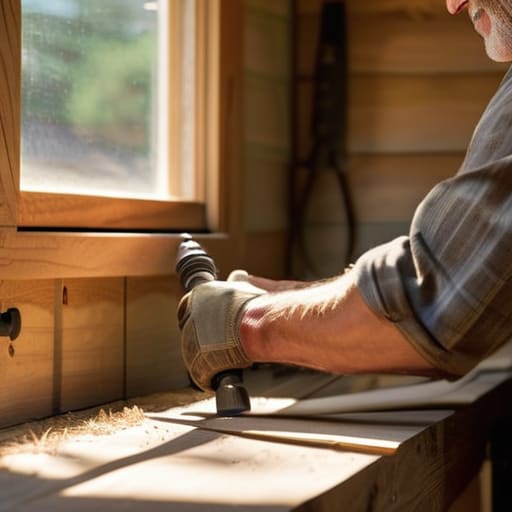
The biggest pitfall I see—and I’ve seen it dozen of times in my years at the council—is the assumption that “we’re all friends here” replaces the need for a paper trail. When you are borrowing tools from neighbors, there is a lovely sense of communal spirit, but that spirit can sour very quickly if a drill breaks or a lawnmower won’t start. People tend to avoid formalizing things because they don’t want to seem untrusting, but a simple, written understanding of liability for borrowed items isn’t an insult; it’s a way to protect the friendship.
Another mistake is neglecting the “aftercare” phase. A group might successfully secure a marquee or a set of heavy-duty cables, but they fail to account for equipment maintenance and care once the event is over. If you return something in a worse state than you found it, you haven’t just lost a tool; you’ve lost the community’s trust. I always tell my committees: never assume the next person will fix it. If something goes wrong, document it immediately and be prepared to discuss damage compensation policies before the awkwardness sets in.
Final Thoughts
At the end of the day, whether you are renting a heavy-duty lawnmower or simply borrowing tools from neighbors, the goal is the same: getting the job done without causing a rift in the street. I have seen too many lovely community projects stall because someone broke a drill and didn’t know who was responsible for fixing it. It isn’t about being difficult or overly bureaucratic; it is about protecting the friendships that make your group work in the first place.
If your committee grows, you might eventually look into a more formal library of things concept, but for now, just keep things clear. Make sure everyone understands the liability for borrowed items before the first nail is even driven. A simple, written agreement—even if it’s just a page in your minute book—ensures that if something goes wrong, there is a plan in place. If we take care of the tools, the tools will take care of our neighborhood. Now, I believe I hear the bells calling, so I shall leave you to your planning.
Five Golden Rules for Keeping Your Gear Safe and Your Reputation Intact
- Always do a “walk-around” before you leave with it. I’ve seen too many groups get blamed for a crack in a ladder or a frayed cable that was already there. Take five minutes to look it over, and if you can, snap a quick photo on your phone so everyone agrees on the condition it was in when it left the shed.
- Keep a simple, handwritten logbook. You don’t need fancy software; a basic notebook is fine. Write down who took what, when they took it, and when it’s expected back. If things just “vanish” into a neighbor’s garage, you’ll never get them back, and the committee will start bickering.
- The “One Person” rule is vital. Don’t let everyone in the group be responsible for the toolkit. Assign one person—maybe the most organized among you—to be the keeper of the keys or the manager of the inventory. When responsibility is spread too thin, it eventually disappears entirely.
- Check the power cords and the basics every single time. It sounds pedantic, but there is nothing more frustrating than turning up to a community garden project only to find the borrowed drill has a dodgy plug or a dead battery. Test it in the owner’s presence if you can.
- Treat borrowed gear better than your own. This sounds obvious, but it’s the quickest way to lose the trust of the people who are helping you. If you borrow a marquee from the church, it should come back cleaner and better cared for than when it arrived. If you break it, you fix it—no excuses.
The Paper Trail of a Borrowed Drill
I’ve seen more community projects stall because a borrowed ladder went missing or a lawnmower returned with a broken blade than I have from lack of funding. If you don’t write down who has what, and exactly what condition it was in when they took it, you aren’t running a committee—you’re just waiting for a disagreement to tear your group apart.
Deborah Castellanos
A Final Word on Getting Started
When you look back at everything we have discussed, it really comes down to being organized before you even pick up a screwdriver or a heavy-duty cable. Remember that whether you are borrowing a marquee from the local church or renting a lawnmower from a neighbor, the secret lies in the paper trail. Keep a simple log of what you took, who has it, and when it must return. If you manage your shared funds carefully and treat borrowed gear with more respect than your own, you won’t find yourselves stuck in a cycle of broken tools and broken trust. Good record-keeping is the glue that keeps a small committee from falling apart when things get messy.
I have seen so many wonderful neighborhood projects stall out simply because someone forgot to bring the right kit to the site, or worse, someone lost a piece of equipment that didn’t belong to them. Don’t let that be your story. You have the vision, the six people, and the bank account; now you just need the right tools to make it happen. It might feel like a lot of admin at first, but I promise you, clarity brings confidence. Go out there, borrow what you need, and start making that street the place you always knew it could be.
