

I remember standing in the drafty vestibule of the St. Jude’s annex back in ’94, staring at a stack of laminated forms that looked more like tax audits than booking requests. The air smelled of floor wax and damp wool, and I felt that familiar, sinking dread: the sense that if you wanted to do anything meaningful, you first had to navigate a labyrinth of bureaucracy just to borrow a folding chair. People often think that learning how to use a village hall requires a mountain of paperwork or a massive grant, but that’s a complete misconception that keeps good ideas trapped in people’s kitchens.
I’m not here to give you a lecture on local government regulations or a list of lofty, unattainable ideals. My goal is to show you the practical, unvarnished truth of how to claim a space and actually make it work for your group. I will walk you through the messy, wonderful reality of securing a venue, managing the keys, and ensuring your first meeting doesn’t fizzle out because someone forgot to write down the rules. We are going to focus on the small, steady steps that turn an empty room into a living community hub.
Understanding How to Use a Village Hall

When I first started in local government, I saw too many brilliant ideas fizzle out simply because a group didn’t understand the fine print of their venue. You can’t just turn up with a kettle and a dream; you need to respect the facility usage policies that keep these buildings standing. Most halls are run by committees themselves—often volunteers just like us—so they have specific rules about everything from what kind of tea you brew to how you handle the rubbish at the end of the night.
Before you commit your group’s precious little budget, I always suggest getting a clear handle on the village hall booking fees and what exactly they cover. Does the price include the heating, or will you be hit with an extra charge if you stay late for a social? I’ve seen many a small committee struggle because they hadn’t accounted for the cost of cleaning or the security deposit. It’s best to ask for a written breakdown early on. Once you know the ground rules, you can stop worrying about the paperwork and start focusing on the people.
Key Things to Know
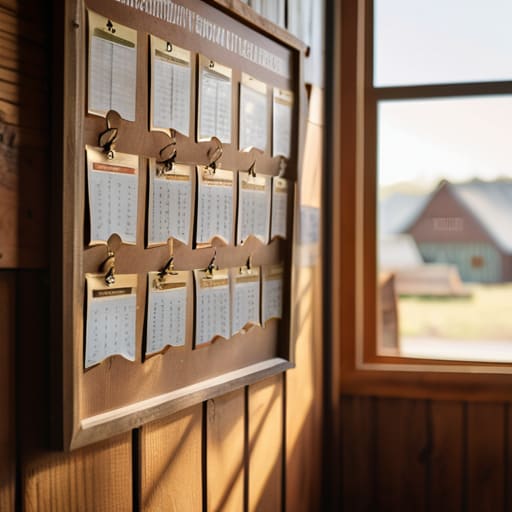
Now, before you go rushing in with a clipboard and a dream, you need to understand that these buildings aren’t just empty rooms waiting for a party; they are managed assets with their own sets of rules. Every hall has its own specific facility usage policies, and ignoring them is the quickest way to ensure your group isn’t invited back. I’ve seen many a lovely garden club fizzle out simply because they didn’t realize they were responsible for the tea towels or the heating settings.
You’ll also need to get your ducks in a row regarding the finances. Most places have a clear structure for village hall booking fees, and these often include more than just the hourly rate—think about cleaning deposits or insurance requirements. It’s best to ask for a written breakdown upfront so you aren’t caught short when the invoice arrives. Always check the fine print regarding what happens if you spill a bit of squash on the carpet; it’s much better to know the expectations before you’ve actually made the mess.
Practical Tips and Steps

When I was working in regeneration, I saw so many lovely ideas fizzle out simply because someone forgot to check the fine print. My first piece of advice is to get your hands on the written facility usage policies before you even think about announcing a date to your neighbors. Don’t just rely on a verbal “it should be fine” from a caretaker. You need to know exactly what the rules are regarding noise, cleaning, and—crucially—what happens if a tea urn decides to give up the ghost halfway through your meeting.
Once you have the rules, tackle the logistics of the community center rental process with a bit of a paper trail. I always suggest creating a simple spreadsheet to track your village hall booking fees alongside any deposits required. It sounds a bit dry, I know, but having a clear record prevents that awkward moment where the treasurer realizes the pot is empty because someone forgot to account for the incidental cleaning charge. Keep it simple, keep it documented, and you’ll find that the administrative side becomes a tool for your success rather than a headache.
Common Mistakes to Avoid
The biggest pitfall I see—and I’ve seen it dozens of times in my thirty years of local government—is assuming that “booking the room” is the same as “running an event.” People often overlook the fine print in the facility usage policies, thinking they can just turn up and start rearranging the heavy oak tables. If you don’t read the manual provided by the trustees, you might find yourself facing a hefty cleaning charge or, worse, losing your deposit because you didn’t realize the bins needed to be emptied by a specific time. Always read the small print before you commit your group’s precious funds.
Another mistake is failing to account for the hidden costs. It’s easy to look at the initial village hall booking fees and think you’re in the clear, but you must remember to budget for things like tea, coffee, or even the cost of extra lighting. I once watched a lovely neighbourhood group fold entirely because they spent their whole budget on the venue and had nothing left for the actual activities. Plan for the extras from the very beginning; it’s the only way to keep your committee from feeling the pinch mid-way through the term.
Final Thoughts
At the end of the day, don’t let the paperwork intimidate you. I’ve seen so many wonderful ideas wither away simply because someone felt the community center rental process was too daunting to tackle. It isn’t about being a professional administrator; it’s about having the patience to read the fine print and the courage to ask the caretaker a few questions. If you can manage a small committee and keep a basic ledger, you are more than qualified to get a project off the ground.
Just remember to keep your eyes on the long term. It’s easy to get caught up in the excitement of your first big event, but staying organized is what keeps the doors open for the next group. Whether you are navigating tricky village hall booking fees or just trying to coordinate a tea morning, do everything with a clear paper trail. If you write down what you’ve done, you ensure that your hard work becomes a blueprint for others, rather than just another forgotten chapter in a dusty filing cabinet.
Five Little Things That Save a Lot of Headache
- Get a copy of the booking rules before you sign anything. I’ve seen too many groups get caught out because they didn’t realize they were responsible for the cleaning or that the heating wasn’t included in the hire fee.
- Make sure you know exactly who holds the keys. There is nothing more disheartening than turning up with a group of twenty eager neighbors only to find the heavy oak door is bolted shut and the caretaker is nowhere to be found.
- Always do a walk-through of the electrical sockets and light switches before you start setting up. It sounds fussy, but you don’t want to be halfway through a coffee morning only to realize the plug points in the kitchen are temperamental.
- Keep a simple logbook of what you used and what broke. If a chair leg snaps or a kettle dies, write it down immediately; it’s much easier to sort out with the committee than it is six months later when everyone has forgotten.
- Check the noise policy if you’re planning anything with music. I once sat through a lovely community tea where the neighbors three doors down were quite unhappy about the volume, and it’s much harder to build community when you’re starting off on the wrong foot with the street.
The Heart of the Neighbourhood
A village hall isn’t just a building with a drafty window and a tea urn; it’s a tool. If you treat it like a museum, it stays empty, but if you treat it like a shared living room, you’ll find that even the quietest street has a story worth telling.
Deborah Castellanos
A Final Word on Making it Work
Looking back at everything we’ve discussed, it really comes down to the basics: respect the building, respect the booking system, and most importantly, respect the people who keep the keys. Whether you are navigating the fine print of a hire agreement or just trying to figure out how the tea urn works, remember that clear communication with the hall warden is your best tool. Avoid the trap of assuming things will just “work out” without a proper plan; instead, keep your paperwork tidy and your intentions transparent. If you manage the logistics well and avoid those common pitfalls of poor scheduling or messy finances, you won’t just be renting a room—you’ll be managing a vital community asset with the care it deserves.
At the end of the day, a village hall is more than just four walls and a draughty window; it is the heartbeat of a neighbourhood. I have seen so many wonderful ideas wither away simply because nobody took the time to organise the space properly, but I have also seen a single, well-run committee transform a quiet hall into a bustling hub of activity. Don’t let the paperwork or the rules intimidate you. If you step up, take responsibility, and write down your process as you go, you are laying the groundwork for something that will outlast your own tenure. Go on, book the hall, and start making something happen.
