
I remember sitting in Mrs. Gable’s kitchen back in ’94, surrounded by the scent of stale tea and old newspapers, clutching a clipboard like it was a shield. I had this ridiculous, formal questionnaire prepared—twenty pages of “standardized inquiries” that I thought would make me look professional. All I did was make her feel like she was being interrogated by the tax man. I learned very quickly that if you want to learn how to interview an older resident without making them shut down, you have to put the clipboard in the drawer and actually listen.
I’m not here to give you a lecture on sociological methodology or academic jargon that belongs in a university textbook. What I want to do is show you how to sit in a chair, hold a conversation, and extract the kind of local history that actually matters for your community project. I’ll share the practical, unvarnished truth about building real trust so you can turn a simple chat into a permanent record. We aren’t just collecting data; we are saving the soul of a street, one story at a time.
Understanding How to Interview an Older Resident

Before you even pick up a recorder, you have to understand that you aren’t just collecting data; you are being invited into someone’s life. In my years in local government, I saw many well-meaning volunteers rush in with a clipboard and a checklist, only to find the person across from them shutting down. To avoid this, you need to lean heavily on empathetic interviewing skills. It isn’t about the interrogation; it’s about the connection. If they feel like they are being studied rather than heard, the real stories—the ones that actually help us understand why a street functions the way it does—will stay locked away.
I always tell my small committees that the goal is preserving elderly life stories in a way that feels like a chat over tea, not a deposition. This means being mindful of the pace. You might think you need to cover ten topics in an hour, but if a resident starts talking about the old butcher shop that closed in 1974, let them go. That detour is often where the most valuable history lives. You aren’t just looking for dates; you are looking for the texture of the neighborhood.
Key Things to Know
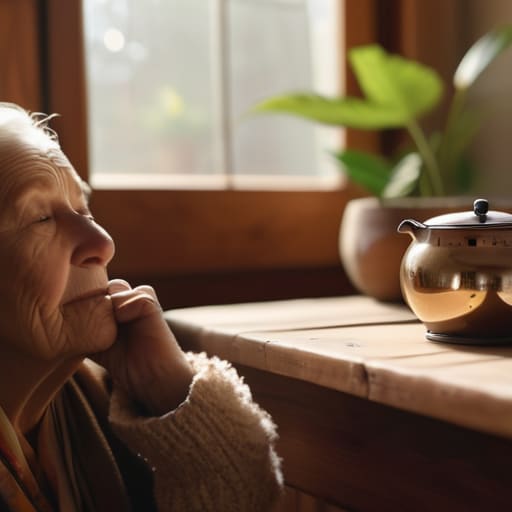
Before you even pick up a recorder, you need to understand that you aren’t just collecting data; you are being invited into someone’s life. When I was working in regeneration, I saw too many projects fail because they treated residents like subjects in a study rather than neighbors. To do this right, you must master empathetic interviewing skills. This means being comfortable with the silences. If a neighbor pauses to find a word or gets a bit misty-eyed thinking about the old butcher shop on the corner, don’t rush to fill that gap. The magic usually happens in the quiet moments that follow a long pause.
You also have to be mindful of the weight of what you are asking. There are real ethical considerations in elderly research that go beyond just getting a signed consent form. You are handling memories that might be painful or deeply private. I always tell my committee members: your job isn’t to extract information, but to hold space for it. If a topic seems to make them uneasy, give them an easy way out. It’s much better to leave a question unasked than to make someone feel like they are being interrogated for a report.
Practical Tips and Steps

Now, let’s get down to the brass tacks of actually doing it. Before you even pick up a recorder, you need to prepare the space. I always say that the environment is half the battle. Don’t go in with a clipboard and a stopwatch like you’re conducting a census; that’s a quick way to make someone shut down. Instead, bring a thermos of tea and find a quiet corner in their own sitting room. When you are practicing effective communication with elderly subjects, remember that the goal isn’t just to extract data, but to build a bridge of trust. If they start talking about their garden instead of the 1950s housing boom, let them wander a bit. Those tangents are often where the real gold is buried.
When you do start asking the big questions, try to use gentle oral history techniques. Rather than a rapid-fire interrogation, try to keep the conversation flowing like a slow stream. If a topic seems to cause them distress, be prepared to pivot immediately. It’s vital to respect their pace; sometimes, the most important thing you can do is sit in silence for a moment while they find the right words.
Common Mistakes to Avoid
The biggest pitfall I see—and I’ve seen it dozen of times in my years in local government—is treating these chats like a clinical interrogation. If you turn up with a rigid list of questions and a stopwatch, you aren’t building a community; you’re conducting a census. People aren’t data points. When we rush through the silences, we miss the most important part: the subtext. You have to practice empathetic interviewing skills by allowing for the pauses. Often, the most vital piece of local history comes right after a long, quiet moment when someone is searching for a name or a feeling.
Another mistake is neglecting the “aftercare” of the story. I’ve seen well-meaning volunteers gather incredible details only to let those memories gather dust in a digital folder. If you don’t have a plan for how that information will be used or stored, you’ve missed the point of preserving elderly life stories. It’s a matter of respect. Always make sure you’ve discussed the ethical considerations of where their words might end up—whether it’s a parish newsletter or a local archive—before you even hit the record button.
Final Thoughts
At the end of the day, remember that you aren’t just ticking boxes on a checklist or collecting data points for a report. You are being invited into someone’s private world, and that is a profound responsibility. When we use these oral history techniques, we aren’t just looking for dates and names; we are looking for the heartbeat of the neighborhood. If you approach the conversation with genuine curiosity rather than a rigid agenda, you’ll find that the most important details often emerge in the quiet moments between your questions.
I’ve seen many well-intentioned projects stumble because they focused too much on the “output” and not enough on the person sitting across the kitchen table. Always keep those ethical considerations at the front of your mind. If a topic becomes heavy or a resident seems tired, give them the grace to stop. Our goal is preserving elderly life stories in a way that honors their dignity, not just serving our own community archives. Treat every story like a piece of precious, fragile glass—handle it with care, and it will last for generations.
Five ways to make sure the stories actually stick
- Don’t rush the tea. If you turn up with a clipboard and a stopwatch, you’ve already lost them. Spend the first twenty minutes just being a neighbor. You can’t get to the good memories if they feel like they’re being audited.
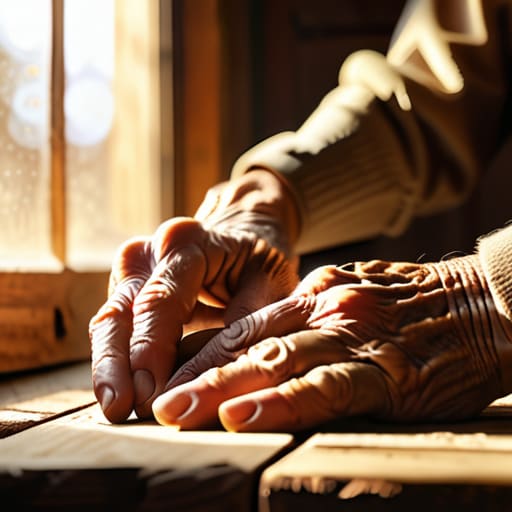
- Watch the hands, not just the eyes. Sometimes a person might struggle to find the word for a specific shop or a street name, but they’ll gesture perfectly to show where the old bakery stood. If they pause, let the silence sit for a second; often, the best details come right after a quiet moment.
- Keep your notes simple and physical. I’ve seen too many projects fail because someone tried to type everything up later and lost the “feeling” of the conversation. Jot down a few key phrases or a specific way they laughed about the old butcher—those little human details are what make a community history feel real.
- Be careful with the “why” questions. If you ask, “Why did you do it that way?” it can sound a bit like a cross-examination. I prefer asking, “What was it like when…?” It opens a door rather than building a fence.
- Check your recording gear before you sit down. There is nothing more disrespectful than asking someone to recount their childhood, only to realize ten minutes in that your phone’s microphone is muffled or the battery is dying. It’s a small thing, but it shows you value their time.
The Value of a Quiet Listener
“You aren’t there to tick boxes on a clipboard or rush them through a list of questions; you’re there to hold the space so they feel safe enough to tell you what the street actually used to mean to them.”
Deborah Castellanos
A Final Word on Listening
At the end of the day, interviewing an older resident isn’t about ticking boxes on a research form or filling a spreadsheet with data points. It is about the patience to sit in a quiet kitchen, the foresight to bring a sturdy notebook, and the sensibility to know when to stop talking. We have talked about the practicalities—from the importance of clear, unhurried speech to the necessity of avoiding those clumsy, leading questions that shut people down. If you remember nothing else, remember that your job is to be a respectful witness to their history, ensuring that their lived experience isn’t just heard, but actually recorded properly for those who come after us.
I have seen so many wonderful neighborhood projects stumble because they tried to build something new without understanding what used to stand there. When we take the time to document these stories, we aren’t just being polite; we are laying the very foundation of our community’s future. These memories are the connective tissue of a street, and once they are gone, they are gone for good. So, grab a chair, find a neighbor with a story to tell, and start writing. You might just find that the key to changing your street lies in the wisdom of those who have already lived through its changes.
