
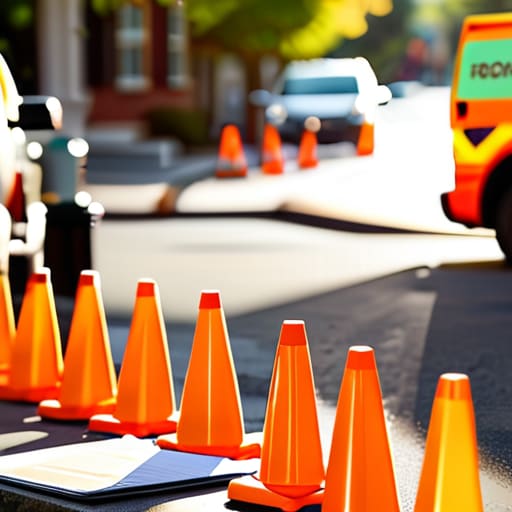
I remember sitting in a drafty community hall back in ’94, staring at a stack of council forms that looked more like legal summons than a simple request for a street party. Everyone around the table was convinced that if we wanted to host a summer fete, we’d need a professional event planner and a massive budget just to figure out how to apply for a road closure. They thought the bureaucracy was a brick wall designed to keep us out. But after thirty-one years in local government, I can tell you that the wall is mostly made of paperwork and hesitation, not actual impossibility.
I’m not here to give you a lecture on municipal law or a list of vague theories. My promise to you is much simpler: I am going to show you exactly how to navigate the red tape without losing your mind or your dignity. I’ll walk you through the practical, boots-on-the-ground steps to get those barriers in place so your neighbors can actually talk to one another. We aren’t going to chase ghosts; we are going to follow a proven process to reclaim your street, one permit at a time.
Six Neighbors One Plan How to Apply for a Road Closure

First, you need to move from a group of chatty neighbors to a formal committee. I cannot stress this enough: if you don’t have a designated treasurer and a way to track decisions, the council won’t take you seriously. Once you have your small group organized, your first real hurdle is the temporary traffic regulation order, or TTRO. This is the legal mechanism that allows you to legally stop cars from driving through your street for a set period. Don’t expect this to happen overnight; the local council permit process is notoriously slow, so you’ll need to start your paperwork months before your planned street party or community event.
You will also be asked to provide a basic plan showing how you intend to divert traffic and keep pedestrians safe. This is where people often stumble. You aren’t expected to be an engineer, but you do need to satisfy the highway authority approval by demonstrating that you won’t cause a gridlock three streets away. Most importantly, do not skip the bit about public liability insurance. The council will almost certainly demand proof that your group is covered before they sign off on anything. It’s a bit of a headache, but it’s the price of doing things properly.
Navigating the Local Council Permit Process Without Losing Your Mind
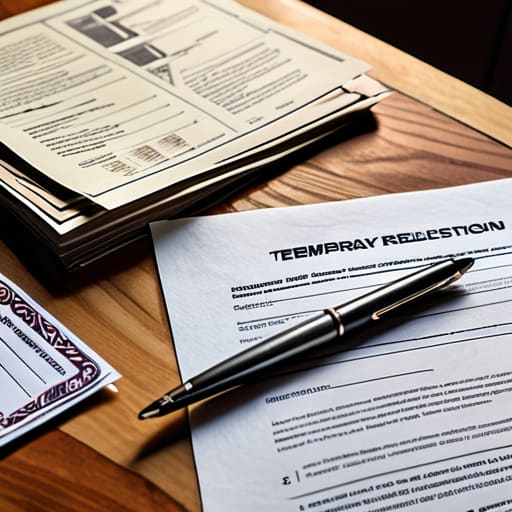
Now, this is where most lovely community ideas go to die—buried under a mountain of bureaucracy. When you start looking into the local council permit process, it can feel like you’re trying to learn a foreign language while being shouted at. You aren’t just asking for a favour; you are technically requesting a Temporary Traffic Regulation Order (TTRT). It sounds intimidating, I know, but it’s really just the council’s way of making sure nobody gets hurt and the bins still get collected.
The trick is to stay ahead of the paperwork. You’ll likely need to submit a basic plan showing how cars will be diverted, which the council calls traffic management plan requirements. Don’t let the jargon spook you; they usually have templates you can follow. Most importantly, do not leave this until the last minute. Most authorities require a significant notice period—often several weeks—to get their ducks in a row. If you treat the council officers as partners rather than obstacles, you’ll find they are actually quite helpful in guiding you through the hoops.
Securing Highway Authority Approval and Your Communitys Trust

Now, this is where most lovely ideas go to die—in a pile of paperwork and neighborly disputes. Getting that official highway authority approval isn’t just about ticking boxes; it’s about proving to the council that you won’t cause a gridlock or a grievance. You’ll likely be asked for a formal temporary traffic regulation order, which sounds much more intimidating than it actually is. They essentially want to see that you’ve thought about where the cars go when the tarmac is off-limits.
I’ve seen too many street parties fall apart because someone forgot to mention public liability insurance for road closures. Don’t let that be you. Before you even send your application, ensure your little committee has a basic policy in place. It protects the group if a stray bicycle decides to take a tumble near your bunting.
Most importantly, keep your neighbors close. If the person at number forty-two feels ignored, they’ll be the first to lodge a formal complaint, and that can stall your entire timeline. Transparency is your best tool—show them the plan, explain the safety measures, and make sure everyone feels heard before the first cone is even placed.
Mastering Traffic Management Plan Requirements to Reclaim the Street
Now, this is where most lovely little community projects hit a brick wall, and it’s usually because they’ve underestimated the paperwork. When the council asks for your traffic management plan requirements, they aren’t just being difficult; they need to see exactly how you intend to keep people safe. You can’t just put out a few orange cones and call it a day. You need a clear, drawn-out map showing where the barriers go, how emergency vehicles will get through if they need to, and where the diversion routes will lead. I’ve seen so many wonderful street parties fall apart because the committee forgot to account for the actual logistics of moving a car or a heavy delivery van.
Don’t let the technical jargon intimidate you, though. Most of it boils down to proving you have a grip on the situation. You’ll likely be working toward a temporary traffic regulation order, which is essentially the legal “green light” that tells the police and the public that your street is officially off-limits for a set time. While you’re drafting your plan, make sure you’ve also tucked away your public liability insurance for road closures into your folder. It’s much better to have that certificate sitting ready on the table than to be scrambling for it when the council officer comes knocking.
The Paperwork Shield Public Liability Insurance for Road Closures
Now, I know what you’re thinking: more forms, more red tape, more reasons to just stay inside and have tea. But let’s be sensible. When you’re asking the council to let you take over a public highway, you aren’t just playing in a cul-de-sac; you are managing a space where people—and their cars—are moving. This is where public liability insurance for road closures becomes your best friend. It isn’t just a box to tick for the local council permit process; it is the safety net that ensures a single tripped toddler or a scraped bumper doesn’t bankrupt your little community group or personal savings.
I’ve seen many a lovely street party dissolve into a mess of finger-pointing because no one checked the fine print. When you apply for your temporary traffic regulation order, the authorities will almost certainly demand proof of cover. Don’t treat this as a nuisance. Get a quote early, ensure it specifically covers your planned activities, and keep a hard copy in your “committee folder.” It turns a potential disaster into a mere footnote.
Timing the Temporary Traffic Regulation Order and Notification Period
Now, here is where most well-meaning groups trip up: they treat the calendar like a suggestion rather than a strict rule. You cannot decide on a Saturday that you want to hold a street party on the following Friday. To get a formal temporary traffic regulation order (or TTRO) in place, you need to be looking at least twelve to sixteen weeks ahead. I’ve seen many a lovely community initiative fizzle out simply because the committee forgot that the local council operates on a much slower clock than a group of enthusiastic neighbors.
You must factor in the statutory periods required for public notice. This isn’t just bureaucracy for the sake of it; it’s the legal way the council ensures everyone—including the postman and the local bus driver—has a chance to object. Once you have your highway authority approval in hand, you still have to account for the time it takes to distribute notices to the surrounding streets. Don’t leave your planning to the eleventh hour. If you aim for a summer event, your paperwork should be sitting on a council officer’s desk no later than early spring.
Five Lessons from the Trenches: Keeping Your Road Closure on Track
- Don’t go it alone; find at least five other neighbors who are willing to sign their names to a petition, because a single voice is just a complaint, but six names is a community movement.
- Keep a physical folder for every scrap of paper the council sends you, because searching through a cluttered email inbox for a specific permit reference number in the middle of a meeting is a quick way to lose momentum.
- Talk to the neighbors who aren’t part of your group early and often, because the quickest way to have a permit revoked is to have a resident on the next street over feeling blindsided by the traffic diversions.
- Check your bank balance before you commit to the application fee, as these local authority charges can be surprisingly steep and you don’t want to stall out halfway through because the committee funds are dry.
- Write down every decision made during your planning meetings, especially the ones about who is responsible for what, so that when the actual closure day arrives, nobody is standing around asking “who was supposed to put the cones out?”
## The Heart of the Matter
“Don’t let the stack of council forms intimidate you; they aren’t there to stop you, they are just the guardrails. If you have six neighbors who care and a clear paper trail to show the council you’ve thought of everything, you aren’t just asking for a permit—you’re proving you’re ready to take care of your own street.”
Deborah Castellanos
The Street is Waiting
It is a lot of work, I won’t lie to you. Between the Traffic Management Plans, the insurance paperwork, and the inevitable back-and-forth with the Highway Authority, it can feel like you are trying to move a mountain with a teaspoon. But remember: you aren’t just filling out forms to satisfy a bureaucrat; you are building a procedural fortress. By securing your permit, getting your public liability insurance in order, and respecting the notification timelines, you are ensuring that your street party isn’t just a one-off afternoon of chaos, but a legally sound community event that can be repeated year after year.
I have seen so many wonderful neighborhood ideas wither away simply because someone forgot to write down the process or skipped a single crucial step in the council’s application. Don’t let that be your story. Once that Temporary Traffic Regulation Order is signed and the barriers are in place, something magical happens. The asphalt stops being a transit corridor and starts being a communal living room. You have the bank account, you have the committee, and now you have the plan. Now, go out there and reclaim your street.
