
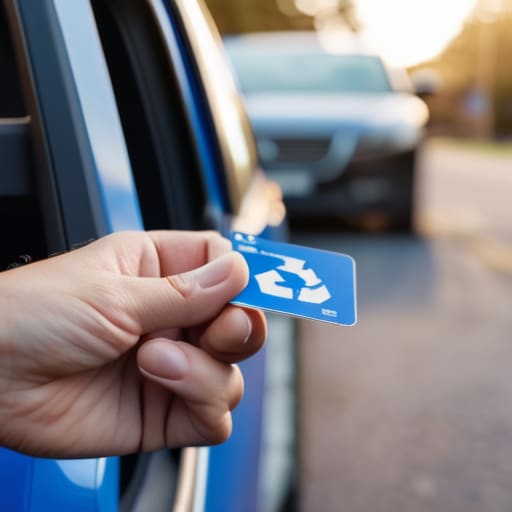
I remember sitting in a drafty church hall three years ago, watching Mrs. Gable stare at a pile of government forms like they were written in an ancient, undecipherable dialect. She wasn’t looking for a miracle; she just wanted to be able to walk to the chemist without a struggle. Most people will tell you that figuring out how to apply for a blue badge is just a matter of ticking a few boxes and waiting for the post, but anyone who has spent time in local government knows that’s a complete nonsense. The bureaucracy is designed to be a maze, and if you don’t have the right paper trail, you’ll find yourself spinning in circles before you’ve even finished the first page.
I’m not here to give you a lecture on policy or a list of vague suggestions. Instead, I’m going to give you the practical, step-by-step reality of navigating this process so you can get the access you deserve. I’ve seen enough failed community initiatives to know that success lies in the details, so I will show you exactly what evidence you need to gather and how to present it so the decision-makers can’t ignore you.
Understanding How to Apply for a Blue Badge

Before you even sit down at the computer, you need to understand that this isn’t just a simple request for a parking permit; it is a formal assessment of mobility. Most people assume it’s a straightforward tick-box exercise, but the blue badge eligibility criteria are quite specific. The council isn’t looking at a diagnosis alone; they are looking at how that condition affects a person’s ability to walk safely or navigate a car park. I’ve seen many well-meaning community members get frustrated because they didn’t realize the distinction between having a disability and meeting the specific threshold for parking concessions.
Once you’ve established that the person qualifies, the real work begins with the evidence. You cannot simply state that someone struggles; you have to prove it. This means gathering all your supporting documents for blue badge applications—think medical letters, prescriptions, or specialist reports—well in advance. If you try to wing it, you’ll likely face a rejection, and as I always say, nothing kills a community spirit faster than a mountain of avoidable paperwork. Getting the evidence right the first time is the only way to ensure the process moves forward without a hitch.
Key Things to Know

Before you start filling out forms, you need to understand that this isn’t just about having a mobility issue; it’s about how that issue affects your ability to navigate the world. The blue badge eligibility criteria are quite specific, and they focus heavily on the practical struggle of getting from a car to a destination. I’ve seen many well-meaning neighbours get stuck in a loop of rejections simply because they didn’t quite grasp the nuances of what the assessors are looking for.
You’ll also want to get your ducks in a row regarding the paperwork. Don’t wait until the last minute to gather your supporting documents for blue badge applications, such as PIP award letters or medical specialist reports. Having these ready to scan makes the whole process much smoother, especially if you are applying for blue badge online. It’s much easier to upload a clear digital copy of a prescription list now than to scramble for it when the website is timing out. Keep a folder—both physical and digital—of everything; it’s a habit that has saved me more times than I can count.
Practical Tips and Steps

Now, let’s get down to the brass tacks of the actual process. When I was working in local government, I saw far too many well-meaning people get bogged down in the weeds because they didn’t have their ducks in a row. My best advice is to start by gathering your supporting documents for blue badge applications long before you sit down at the computer. I’m talking about medical letters, prescriptions, or even a diary of how a person struggles to walk from the car to the shop door. If you have the evidence ready, the actual act of applying for blue badge online becomes a much smoother affair rather than a source of stress.
Once you are in the thick of it, don’t just skim the blue badge eligibility criteria; read them closely. Every council has slightly different nuances, even if the core rules are the same. I always tell my committee members to treat the application like a small project: check the requirements, upload the files, and then—this is the vital part—keep a dated copy of everything you submitted. If the council asks for more information three weeks later, you won’t be scrambling through your emails trying to remember what you said.
Common Mistakes to Avoid
The biggest mistake I see, especially when I’m helping neighbours navigate local council bureaucracy, is treating the application like a simple checkbox exercise. People often assume that if they have a diagnosis, the badge is a given. However, the blue badge eligibility criteria are less about the name of your condition and more about the practical impact it has on your ability to walk safely. If you don’t clearly describe the struggle of getting from a car to a shop door, the assessors might miss the point entirely.
Another pitfall is the “document scramble.” I’ve seen so many well-meaning people submit their forms only to have them sent back because they missed a single piece of evidence. You must be meticulous with your supporting documents for blue badge applications; a letter from a GP is one thing, but a detailed diary of a particularly difficult week can be much more persuasive. Don’t wait until the last minute to gather your medical evidence. If you treat the paperwork with the same discipline we use for our parish committee minutes, you’ll find the whole process much smoother.
Final Thoughts
I know that looking at a pile of forms can feel like a mountain, especially when you are trying to balance this with your actual community work. But please, don’t let the administrative side of things stall your progress. Whether you are helping a neighbor or organizing a local accessibility audit, getting that permit sorted is a vital piece of the puzzle. Just remember to keep your supporting documents for blue badge applications in a tidy folder—I’ve learned the hard way that a lost receipt can set a committee back by weeks.
If you find yourself feeling overwhelmed, just take it one step at a time. Most people find that applying for blue badge online is much quicker than the old paper methods, provided you have your details ready. Once it’s done, make a note in your group’s calendar for the renewal date. It sounds small, but consistency is what keeps a community moving forward. We aren’t just filling out forms; we are making sure everyone in our street can actually get to the events we work so hard to organize.
Five things I've learned from the paperwork trail
- Don’t just describe the disability; describe the struggle. It isn’t enough to say someone has a mobility issue; you need to explain exactly what happens when they try to walk from the car to the shop door. The assessors need to see the physical reality of the trip.
- Keep a folder of the “evidence.” In my thirty years, I’ve seen so many good causes stall because someone lost a GP letter or a specialist’s report. If it proves a medical need, keep a photocopy of it in a dedicated ring binder.
- Focus on the “unpredictability” factor. If a person has good days and bad days, make sure that is documented. A badge isn’t just for when someone is in a wheelchair; it’s for when their condition makes walking a hazardous task.
- Watch the terminology. While we all want to be polite, the application form is a legal document. Use the specific words the local authority uses regarding “hidden disabilities” or “substantial difficulty walking” to ensure you’re speaking their language.
- Check the local rules before you hit submit. Every council has its own little quirks regarding how they process these, and sometimes a quick phone call to the local highways department can save you three weeks of waiting for a letter that was never sent.
## The Real Reason the Paperwork Matters
“Don’t view the application as just another bit of bureaucracy to get through; view it as the key that unlocks the street for someone who’s been stuck indoors. If we don’t get the details right the first time, we aren’t just wasting paper, we’re wasting the very mobility our neighbours so desperately need.”
Deborah Castellanos
A Final Word on the Paperwork
When you look back at everything we’ve covered, it really comes down to being prepared and being precise. Getting that Blue Badge isn’t just about filling out a form; it’s about documenting the reality of someone’s daily struggle with mobility. You need to keep those medical records tidy, avoid the trap of being too vague in your descriptions, and ensure you’ve followed every single step of the local council’s specific process. If you approach the application with the same meticulous attention to detail that I use when filing my committee minutes, you’ll find the whole process becomes much less daunting and far more successful.
At the end of the day, these little administrative victories are what make a community actually work for everyone. A Blue Badge might seem like just a piece of plastic, but it represents independence and dignity for a neighbor who might otherwise feel trapped in their own home. Don’t let the bureaucracy discourage you or make you feel like you’re shouting into the wind. Once you get that badge secured, you’ve cleared a significant hurdle toward making our streets more inclusive. Remember, small wins lead to big changes, and every bit of paperwork you conquer is a step toward a better, more accessible neighborhood for us all.
