
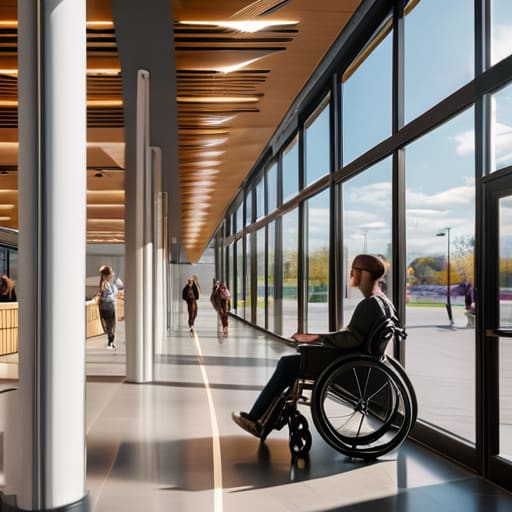
I remember sitting in a drafty village hall back in ’94, watching a lovely elderly gentleman hover awkwardly at the threshold because the heavy oak door was bolted shut. We’d spent the whole morning talking about “community engagement,” yet we hadn’t even considered the basic physics of a doorway. People often think that learning how to make an event accessible requires a massive budget or a consultant in a sharp suit, but that’s just nonsense. Most of the time, accessibility isn’t about expensive high-tech gadgets; it’s about the common sense of noticing the small, physical barriers that keep your neighbours on the outside looking in.
I’m not here to give you a glossy, theoretical checklist that looks good in a brochure but fails in practice. Instead, I want to share what actually works when you’re working with a tiny budget and a handful of volunteers. I’ll show you how to look at your venue, your timing, and your communication through a practical lens so that nobody feels like an afterthought. We are going to focus on the real, boots-on-the-ground steps to ensure your next gathering is truly open to everyone.
Stop Checking Boxes and Start Investing in Real People
I’ve sat through enough committee meetings to know that we often get bogged down in the paperwork. We find an inclusive event planning checklist online, tick every box with a satisfied flourish, and then wonder why the local seniors’ group or the young family with a neurodivergent child doesn’t show up. A checklist tells you that a ramp exists, but it doesn’t tell you if that ramp is so steep it’s practically a mountain, or if it’s tucked behind a pile of rubbish bins.
True accessibility isn’t about meeting the bare minimum of disability access requirements just to avoid a complaint; it’s about making sure your neighbours actually feel they belong in the room. If you’re planning a community tea or a street party, don’t just look at the floor plan for a wheelchair accessible event layout. Think about the noise levels, the lighting, and whether someone can actually hear the speaker over the hum of a faulty fridge. We aren’t just managing logistics; we are building a space where people feel seen, not just accommodated.
How to Make an Event Accessible Without Breaking the Bank
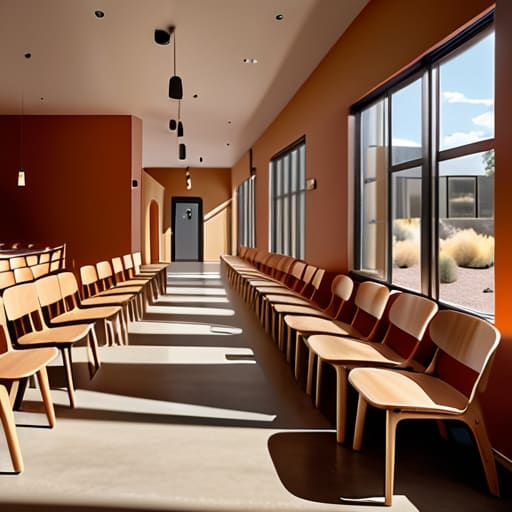
Now, I know what you’re thinking: “Deborah, I’ve got a twenty-pound budget and a community hall with a dodgy door.” I get it. You don’t need a massive grant to be thoughtful. Most of the time, accessibility is just about looking at the room through someone else’s eyes. Before you book anything, don’t just glance at the brochure; call the venue and ask specifically about their wheelchair accessible event layout. Is there a clear path from the entrance to the tea station, or is it a labyrinth of wobbly folding chairs?
You also don’t need fancy gadgets to practice good sensory friendly event design. If you’re hosting a meeting in a drafty church hall or a bright community centre, just be mindful of the noise and light. Sometimes, simply designating a “quiet corner” with a few comfortable chairs away from the main speakers is enough to make a world of difference. It isn’t about meeting every single legal standard overnight; it’s about making sure nobody feels like they’re an inconvenience just for showing up.
Mastering the Disability Access Requirements Your Committee Needs
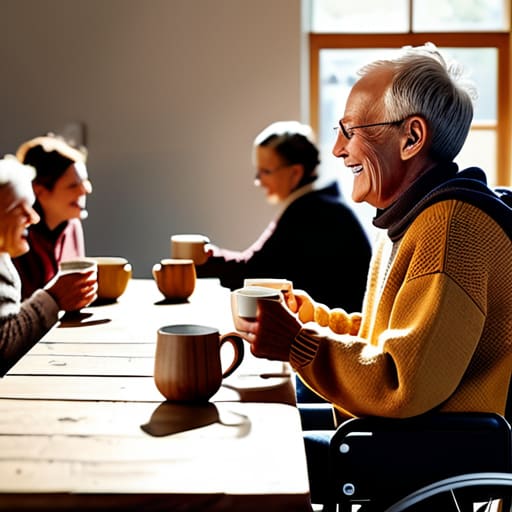
Now, I know what some of you are thinking: “Deborah, I’m just trying to organize a local coffee morning, not a government summit.” But even for a small gathering, you can’t just wing it when it comes to disability access requirements. I’ve seen too many lovely community initiatives fall apart because a neighbor in a wheelchair couldn’t get through the heavy church doors, or someone with hearing difficulties sat in the back feeling completely invisible. It isn’t about being fancy; it’s about being prepared.
When I sit down with my committee, I don’t just look at a list of rules. We look at the floor plan. We talk about a wheelchair accessible event layout that actually allows people to move between tables without needing a sherpa. We also need to think about the noise. If you’re hosting something in a drafty hall with echoing acoustics, you might want to consider some basic sensory friendly event design, like designating a quieter corner for people who get overwhelmed. It doesn’t cost a penny to be mindful, but it costs a great deal in lost community spirit when people feel they weren’t truly invited.
Designing Sensory Friendly Event Spaces That Welcome Everyone
I’ve sat in enough drafty village halls to know that a room can be technically “accessible” but still feel completely unwelcoming. You can have every ramp in place, but if the acoustics are bouncing off bare walls like a pinball machine, or if the lighting is that harsh, buzzing fluorescent kind, people will leave. True sensory friendly event design isn’t about fancy gadgets; it’s about being mindful of the invisible barriers. I always tell my committees to look for the “sensory hotspots”—the corner where the heater clanks, or the table right next to a loud coffee machine.
If you can, try to create a “quiet zone.” It doesn’t need to be a separate room; even a partitioned-off corner with a few comfortable chairs away from the main chatter can be a lifesaver. When you are mapping out your wheelchair accessible event layout, don’t just think about the width of the aisles. Think about the flow of noise. If you group the loud activities—like the raffle or the live music—at one end, you give those who need calm a place to retreat without feeling like they are being excluded from the fun.
Beyond Ada Compliance for Venues the Human Element
You can follow every rule in the book regarding ADA compliance for venues and still end up with a room full of people who feel like they’re visiting a doctor’s office rather than a community gathering. I’ve seen it time and again in my thirty years of local government work: a building might have the right ramps and wide doors, but if your volunteers aren’t trained to offer a hand or a bit of patience, the physical access doesn’t mean a thing. True inclusion isn’t just about the architecture; it’s about the warmth of the welcome you provide the moment someone walks through that door.
It’s the little things that actually make a person feel they belong. Instead of just checking off a list, think about the person navigating a wheelchair accessible event layout who might be feeling overwhelmed by the noise. Do you have a quiet corner where they can catch their breath? Is there a volunteer stationed near the entrance specifically to help with heavy doors or to explain how the layout works? We need to move past the technicalities and focus on genuine hospitality. If we don’t prioritize the human connection, we’re just managing a building, not building a community.
Using Assistive Technology and Smart Layouts to Win
I’ve sat through enough parish meetings to know that a room can look perfectly fine on a floor plan but feel like a maze in practice. When you’re mapping out your space, don’t just think about the doorways; think about the flow. A proper wheelchair accessible event layout isn’t just about leaving a gap between tables; it’s about ensuring there is a clear, wide path from the entrance to the refreshments and the exits without someone having to play a game of Tetris with their mobility aid. I always tell my committee members to walk the route themselves, ideally with their eyes closed or while carrying something heavy, to truly feel where the bottlenecks happen.
It’s also worth looking into simple assistive technology for events that most people overlook. You don’t need a massive budget for this. Sometimes, it’s as basic as having a few high-quality loop systems for those with hearing aids, or even just ensuring your digital handouts are screen-reader friendly. If you can provide a bit of tech to bridge the gap, you aren’t just meeting a requirement; you’re actually inviting people into the conversation rather than leaving them to watch from the sidelines.
Five Practical Ways to Turn Accessibility from a Burden into a Strength
- Don’t just send out a generic RSVP link; add a specific question asking, “Is there anything we can do to make sure you can participate fully?” It’s much easier to fix a problem before the event than to scramble when someone arrives and finds they can’t get through the door.
- Map out your “flow” like I used to do for neighbourhood regeneration projects. Walk the route from the car park to the tea station, and don’t just look for ramps—look for heavy doors, narrow gaps between tables, and those treacherous little uneven paving stones that catch a wheelchair or a walking frame.
- If you’re planning a talk or a presentation, find someone who can provide live captioning or a clear, printed transcript. It isn’t just for the hard of hearing; it helps the person with dyslexia or even the person who’s just had a very long day and needs to follow along visually.
- Keep your communications simple and direct. Avoid using fancy, swirling fonts on your posters or burying the important details in a massive block of text. If a person can’t read your flyer easily, they won’t feel invited to the event in the first place.
- Assign one person on your committee to be the “Access Lead” for the day. This shouldn’t be a heavy role, but they need to be the one person who knows exactly where the quiet room is, where the accessible toilets are located, and who to call if a piece of equipment fails.
The Paper Trail of Inclusion
Accessibility isn’t a box you tick on a venue hire form; it’s the quiet, practical work of ensuring that when a neighbour shows up, they aren’t met with a locked door or a staircase they can’t climb. If you don’t plan for the person in the wheelchair or the person who needs a quiet corner, you haven’t actually planned an event—you’ve just planned a party for the people who find it easiest to attend.
Deborah Castellanos
The Work Doesn't End When the Doors Open
We have covered a lot of ground, from the practicalities of checking venue ramps to the more nuanced task of managing sensory environments. It isn’t just about following a legal checklist or ticking off a list of assistive technologies; it is about the cumulative effect of every small decision your committee makes. When you move beyond mere compliance and focus on the human element—the way a person feels when they walk through the door or how easily they can find a quiet corner—you are doing more than just hosting an event. You are building a foundation of trust. Remember, accessibility is a continuous process of adjustment, not a one-time task you complete before the tea is served.
If there is one thing I have learned from thirty years in local government, it is that community strength is built on who we include, not who we accidentally leave behind. You don’t need a massive budget or a professional consultancy to make a difference; you just need a committee that is willing to listen and a willingness to act on what you hear. A well-run, accessible event is a signal to your neighbours that they belong. So, take these notes, grab your committee, and go out there. Small, thoughtful changes are exactly how we change a street.
