
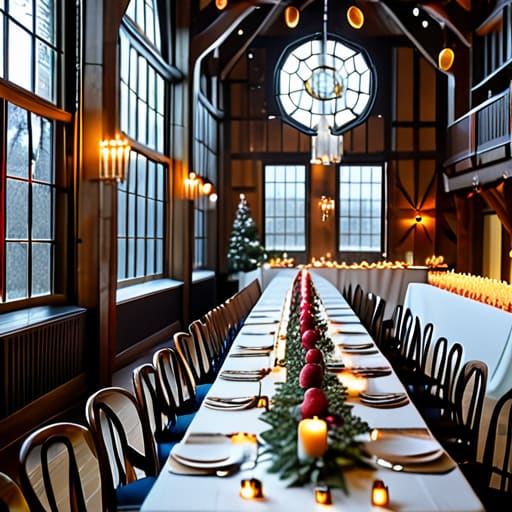
I remember standing in the drafty vestibule of the St. Jude’s parish hall back in ’94, watching a lovely knitted tea cosy slide right off a table because the radiator was humming too loudly and the floor was slightly uneven. It was freezing, the tea went lukewarm in minutes, and half the committee spent the evening shivering rather than actually talking to the neighbours. People often think that learning how to run an event indoors in winter requires a massive budget for industrial heaters or a fancy new venue, but that’s just nonsense. Usually, you don’t need a grand hall; you just need to understand how heat moves in a room and how to keep the tea hot.
I’m not here to give you a list of expensive equipment you don’t need. Instead, I want to share what actually works when you have a small pot of cash and a handful of volunteers. I’ll show you the practicalities of managing a room, from controlling the drafts to making sure your seating doesn’t end up in a cold corner. This is about keeping the community warm and the conversation flowing, even when the frost is thick on the windows.
The Winter Blueprint How to Run an Event Indoors in Winter
When I was working in regeneration, I saw so many lovely neighborhood gatherings fizzle out simply because people were shivering. If you want your committee to succeed, you have to look past the decorations and focus on the bones of the building. My first rule for winter venue logistics is to arrive at least two hours early to check the heating. There is nothing quite as disheartening as a room full of well-meaning neighbors huddled in their heavy coats because the radiator is stuck or the hall is drafty.
Once you’ve secured the warmth, you can turn your attention to the atmosphere. I’ve always found that managing guest comfort in cold weather is as much about lighting as it is about temperature. Avoid those harsh, clinical fluorescent tubes if you can; instead, a few strings of warm fairy lights or some battery-operated candles can make a damp community hall feel like a proper sanctuary. It’s the small, thoughtful touches—like having a kettle ready the moment the doors open—that make people feel they are part of something lasting and worthwhile.
Mastering Winter Venue Logistics Before the First Frost Hits
When I was working in local government, I saw too many wonderful community initiatives fizzle out simply because the venue was too miserable to return to. If you’re booking a village hall or a church basement, you cannot take the heating for granted. I always tell my committees to arrive an hour early just to check the thermostat. Proper indoor event temperature control isn’t just about comfort; it’s about making sure people don’t spend the whole evening shivering and looking for the exit. If the hall is drafty, you need to plan for it—perhaps by suggesting people bring a jumper or by arranging the seating away from those large, uninsulated windows.
Beyond the heat, you have to think about the atmosphere. A dark, cavernous room can feel quite daunting in January. I’ve found that simple indoor lighting for winter ambiance, like a few battery-operated tea lights or even some warm-toned fairy lights, can make a space feel much more inviting. It’s those little touches that turn a cold room into a community hub. Don’t forget to check the accessibility of the entrance, too; if there’s ice on the steps, your elderly neighbours won’t be coming through the door.
The Warmth Strategy Precise Indoor Event Temperature Control
There is nothing that kills the momentum of a lovely community gathering faster than a room that feels like a refrigerator. I’ve seen many a well-intentioned tea dance fall apart because people were too busy hugging themselves to actually talk. When you are managing guest comfort in cold weather, you cannot simply rely on the venue’s thermostat; those old boilers in community halls are notoriously temperamental. I always suggest arriving at least an hour early to test the heating. If the air feels thin and chilly, you need to act then, not when the first twenty neighbors have already arrived with damp coats.
If the building is fundamentally drafty, don’t panic, but do prepare. I find that layering your approach works best. While you can’t fix a broken radiator, you can use seasonal event decor ideas like heavy fabric drapes or even thick tablecloths to help dampen the chill and make the space feel more enclosed. It is also worth considering the “warmth” of the food itself. Moving away from cold sandwiches toward something like a hearty soup can provide a much-needed bit of winter event catering warmth that settles people right into their seats.
Managing Guest Comfort in Cold Weather Through Strategic Planning
It is one thing to have the heating cranked up, but it is quite another to ensure your neighbours actually feel settled. In my years working on regeneration projects, I learned that people don’t stay for the programme if they are shivering or feeling exposed. Managing guest comfort in cold weather starts long before the first person knocks on the door; it begins with the layout of the room. I always suggest avoiding large, cavernous spaces where heat vanishes into the rafters. Instead, use screens or even heavy fabric to create smaller, more intimate pockets of warmth.
You also have to consider the sensory side of things. If the hall feels clinical and dim, it will never feel warm, no matter the thermostat reading. I’m a firm believer in using indoor lighting for winter ambiance—think warm-toned lamps or battery-operated tea lights rather than those harsh, flickering overhead fluorescents. When the light is soft, the atmosphere follows suit. Finally, never underestimate the power of a hot drink waiting at the door. A simple thermos of tea can be the difference between a guest feeling like an intruder and feeling like a member of the community.
Cozy Command Using Indoor Lighting for Winter Ambiance
Once you have sorted out the heating, you have to deal with the light. There is nothing that kills a community spirit faster than a room lit by those harsh, buzzing fluorescent tubes you find in most municipal halls. If you want people to stay and actually talk to one another, you need to soften the edges. I always tell my committees that indoor lighting for winter ambiance isn’t about being fancy; it’s about making a drafty room feel like a living room. If the venue doesn’t have dimmers, bring in some battery-operated tea lights or even a few well-placed floor lamps. It makes a world of difference when you’re trying to foster a sense of belonging.
I’ve seen many a well-planned meeting stumble because the atmosphere felt more like a hospital ward than a neighborhood gathering. When you are working on managing guest comfort in cold weather, remember that the eyes feel the chill just as much as the skin. Low, warm light tricks the brain into feeling a bit more settled. It complements the effort you’ve put into your seasonal event decor ideas and keeps the focus on the people, rather than the peeling paint on the community center walls.
Mobilizing Your Budget for Seasonal Event Decor Ideas
When you’re looking at your committee’s bank statement, it’s easy to feel a bit of panic. You want the hall to look festive, but you also need to ensure there’s enough left over for the tea and biscuits. My advice? Don’t go chasing expensive, professional florists. Instead, look for seasonal event decor ideas that lean on texture rather than price tags. Think heavy linen tablecloths, a few well-placed pine branches from the local park, or even mismatched vintage candlesticks. These elements add a sense of “home” that helps with managing guest comfort in cold weather, making a large, drafty hall feel much more intimate and contained.
I always tell my committees to split the decor budget into two distinct pots: the “visuals” and the “sensory.” While the visuals cover the greenery and table settings, the sensory pot should be reserved for things that actually affect the room’s atmosphere. A small portion of your funds might even go toward a few extra plug-in heaters or specialized indoor lighting for winter ambiance, as a dim, warm glow is far more effective than a hundred cheap plastic baubles. It’s about being resourceful rather than extravagant.
Five Practical Rules for Keeping Your Committee’s Winter Event on Track
- Get a written plan for the entrance. I’ve seen too many lovely gatherings ruined because people stood in a drafty doorway for twenty minutes while the heat escaped; designate one person to usher folks straight into the warm part of the room.
- Don’t rely on the venue’s word alone regarding the heating. I always tell my committees to arrive forty-five minutes early to check the radiators ourselves—if they’re cold, you’ve got time to call the caretaker before the first guest arrives.
- Keep a “lost property” box specifically for heavy coats and damp umbrellas. If you just pile them on a chair, you’ll end up with a soggy mess that makes the whole room feel damp and chilly.
- Plan your food service around warmth. It is much easier to manage a budget if you serve something hot, like a thick soup or tea, rather than trying to keep a tray of sandwiches from turning cold and unappetizing in a draft.
- Assign a “Safety and Comfort” role to one of your six committee members. Their job isn’t to serve tea, but to keep an eye on the thermostat and make sure no one is shivering in a corner unnoticed.
The Importance of the Paper Trail
I’ve seen too many lovely winter gatherings dissolve into nothing because someone forgot to note down which heater actually worked or who held the key to the supply cupboard; if you don’t write down the small, warm details, you’ll find yourself starting from scratch every January.
Deborah Castellanos
Keeping the Hearth Burning
Looking back at everything we have covered, it is clear that a successful winter gathering isn’t left to chance or luck. It comes down to the small, practical details: securing a venue that doesn’t feel like a refrigerator, managing your heating budget so you aren’t left in the cold, and using light to soften the long, dark evenings. Whether you are wrestling with the logistics of a drafty community hall or trying to make a modest pot of committee funds stretch across seasonal decorations, the goal is the same. You are building a controlled environment where the weather outside doesn’t dictate the mood inside. If you keep your notes organized and your logistics tightly managed, the frost will stay exactly where it belongs—on the other side of the window.
At the end of the day, we don’t organize these indoor events just to stay dry or warm; we do it because people need a reason to step out of their houses when the nights draw in. A well-run winter event provides that vital sense of connection that keeps a neighborhood from feeling isolated. I have seen so many lovely little committees fizzle out because they lost momentum, but if you carry this planning forward, you are doing more than just hosting a party. You are strengthening the social fabric of your street, one warm room at a time. So, grab your notebook, check your bank balance, and get to work.
