

I remember sitting in a drafty village hall back in ’94, watching a perfectly good community garden project fall apart simply because three people had promised to weed the beds, but nobody had actually written down who was doing what. We spent more time chasing people through telephone trees than we did actually planting seeds. People often think you need some expensive, high-tech app or a complicated management system to stay organized, but that is a total myth. If you want to know how to set up a volunteer rota that actually holds up when life gets busy, you don’t need a software subscription; you just need a bit of common-sense structure.
I’m not here to sell you on fancy digital bells and whistles that only serve to confuse your neighbors. Instead, I want to share the practical, tried-and-tested methods I used during my thirty years in local government to keep things moving. I will show you how to build a schedule that respects people’s time and, more importantly, ensures that your hard work doesn’t vanish into thin air because of a misunderstanding or a forgotten note.
The Foundation Why a Rota Is Your Committees Secret Weapon
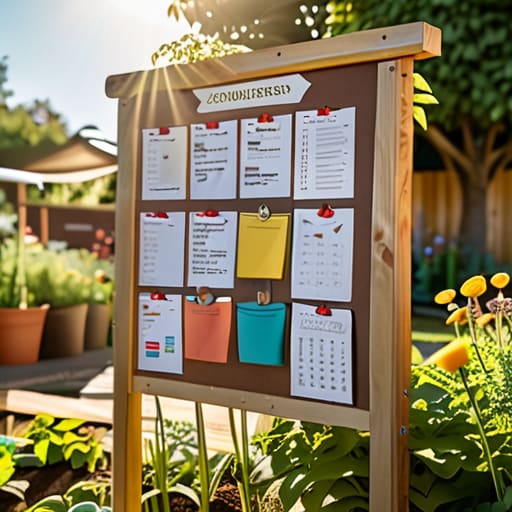
In my thirty years working in local government, I saw countless lovely ideas wither away simply because the same three people were doing everything. It’s a common trap: you start with a burst of enthusiasm, but then life happens—a grandchild gets sick, or a sudden work deadline crops up. Without a clear plan, you aren’t just tired; you’re burning out. A rota isn’t about being rigid or “bossy”; it’s about creating a fair landscape where no one person carries the entire weight of the street project on their shoulders.
Think of a rota as your committee’s safety net. When you move toward more formal managing volunteer availability, you stop reacting to crises and start anticipating them. Instead of a frantic WhatsApp message at 9:00 PM asking who can cover the community garden gate, you have a predictable rhythm. This structure actually improves your volunteer engagement strategies because people feel respected. When a neighbor knows exactly when they are needed—and, more importantly, when they are off the hook—they are far more likely to stick with you for the long haul.
How to Set Up a Volunteer Rota That Actually Sticks

First, you need to sit down with your core group and be brutally honest about what you actually need. I’ve seen too many lovely intentions crumble because a committee thought “more hands” meant “more people,” when really they just needed someone specific on a Tuesday morning. Start by doing a bit of a staffing gap analysis; look at your upcoming projects and map out exactly which hours require a physical presence. Don’t just ask people when they are free—that leads to a messy, unreliable list. Instead, present them with specific slots. It is much easier for a busy neighbor to say “yes” to a two-hour window on a Thursday than to a vague request to “help out whenever.”
Once you have those slots, decide how you’ll track them. For a tiny group of six, a shared spreadsheet or even a large paper calendar in the community hall is often plenty. However, if your group starts to grow, you might find yourself drowning in WhatsApp messages and missed emails. That is when looking into digital scheduling tools becomes a godsend. You don’t need anything fancy or expensive, but having a single, central place where everyone can see who is doing what prevents that awful feeling of two people turning up for the same job while the tea urn sits untouched.
Mastering Managing Volunteer Availability Without Losing Your Mind

The biggest headache I used to face in local government wasn’t the policy; it was the constant, frantic back-and-forth of “Can you do Tuesday?” only to be met with silence. When you are managing volunteer availability for a small group, you quickly realize that people have lives—jobs, grandkids, and church commitments. If you try to chase everyone individually via text or WhatsApp, you’ll spend more time on your phone than actually improving the neighbourhood. It’s exhausting, and it’s exactly how good people burn out and quietly slip away.
Instead of playing telephone, I’ve learned it is much better to centralize the chaos. You don’t need a massive budget, but looking into simple digital scheduling tools can be a godsend for a committee of six. Whether it’s a shared spreadsheet or a basic app, the goal is to let people see the gaps themselves. When someone can see that a Saturday morning slot is empty and claim it on their own terms, they feel a sense of ownership rather than feeling like they are being summoned to duty.
Closing the Holes With a Smart Staffing Gap Analysis
Once you have your rota mapped out, you’ll likely notice some unsettling empty spaces. This is where a proper staffing gap analysis comes in. I spent years in local government watching lovely community projects stall simply because they assumed “someone would show up” for the Tuesday afternoon shift. You can’t build a street garden or run a coffee morning on hope alone. Sit down with your current list and look at the holes—not just in terms of numbers, but in terms of skills and timing. If everyone on your committee is a retired teacher, you might find you’re desperately short on someone who can actually handle the heavy lifting or the technical side of the website.
Don’t let these gaps become permanent fixtures. Once you identify them, you can tailor your recruitment to fill those specific voids. While some groups might jump straight into using complex digital scheduling tools to manage the mess, I always suggest starting with a simple list of what is actually missing. Knowing exactly what you need makes asking for help much easier; it’s far more effective to say, “We need a person who can help with the accounts on a Thursday,” than to simply shout into the void that you “need volunteers.”
Ditch the Paper Using Digital Scheduling Tools for Real Impact
Now, I know what some of you are thinking. You’re picturing a messy pile of handwritten notes or a frantic WhatsApp thread where half the messages are just people asking, “Wait, am I on for Tuesday?” I spent years chasing paper trails in local government, and let me tell you, paper is where good intentions go to die. If you want to move away from that chaos, you need to look into digital scheduling tools. Even something as simple as a shared Google Calendar can be a godsend, but if your group is growing, you might eventually want to look at dedicated volunteer management software.
The real beauty of moving online isn’t just about being “modern”; it’s about visibility. When you use automated rota systems, everyone can see the gaps in real-time. You aren’t playing telephone with Mrs. Higgins from number forty-two just to find out she can’t make the gardening session. Instead, you’re using shift scheduling best practices to ensure that when a gap appears, the whole committee knows immediately. It keeps the burden off one person and puts the responsibility back into a shared, transparent space.
Beyond the Calendar Winning Volunteer Engagement Strategies for Success
A rota is just a piece of paper—or a screen—unless the people behind it feel like they are part of something meaningful. In my years working on regeneration projects, I saw too many lovely groups fizzle out because the volunteers felt like they were just being “used” to fill a slot. To keep your committee thriving, you have to move past simple logistics and focus on genuine volunteer engagement strategies. This means checking in with people about why they signed up in the first place. If Mrs. Higgins joined the garden committee to meet new people, don’t just assign her to weeding; make sure she’s paired with someone new each time.
It also helps to be transparent about the bigger picture. When someone sees their name on a schedule, they should feel the weight of their contribution. I always found that sharing a quick “win” during a shift handover—like noting how many bags of litter were collected—makes the work feel tangible. By combining these personal touches with shift scheduling best practices, you create a culture where people don’t just show up because they promised to, but because they actually want to be there.
Five Little Rules to Keep Your Rota from Falling Apart
- Keep your rules written down in a single, plain-English document. I’ve seen too many lovely neighborhood projects crumble simply because nobody recorded the “unspoken” rule about how to swap a shift, and suddenly, everyone’s confused and frustrated.
- Don’t build a rota for a perfect world; build one for a busy one. Always assume someone will have a sudden family commitment or a bout of the flu, and make sure your schedule has built-in “buffer” people who are willing to be on standby.
- Match the task to the person’s temperament, not just their availability. If Mrs. Higgins is a wonderful gardener but finds digital spreadsheets a nightmare, don’t force her into the data entry slot just because she’s free on Tuesdays—let her do what she loves so she keeps coming back.
- Check in with your volunteers more often than you think you need to. A quick, friendly text or a five-minute chat at the end of a shift to ask “How did that work for you?” prevents the quiet resentment that usually leads to people dropping off the list entirely.
- Respect the boundaries of your committee members. If someone says they can only help on the first Saturday of the month, believe them and stick to it; the quickest way to lose a reliable volunteer is to make them feel like they’re constantly being nagged for more than they promised.
The Paper Trail of Success
A volunteer rota isn’t just a grid of names and dates; it is the written memory of your group. If you don’t map out who is doing what, you aren’t building a movement—you’re just waiting for everyone to burn out because they’re all trying to do everything at once.
Deborah Castellanos
The Final Word on Keeping the Momentum
We’ve covered a lot of ground, from the initial gap analysis to choosing the right digital tools to keep everyone in the loop. At its heart, a successful rota isn’t about complex spreadsheets or fancy software; it’s about creating a predictable rhythm for your community. When you map out your needs, respect people’s boundaries, and keep your communication clear, you stop being a group of people reacting to crises and start being a committee that actually delivers. Remember, a well-managed schedule is what prevents that dreaded burnout where everyone suddenly decides they are too busy to help. It’s the difference between a group that fizzles out after one summer project and a resilient committee that stays active for years.
I’ve seen so many wonderful neighborhood initiatives crumble simply because the people in charge were running on fumes and guesswork. Don’t let that be your story. If you take the time to build this structure now, you aren’t just filling slots on a calendar; you are protecting the future of your mission. You have the vision and the passion to change your street, and now you have the practical framework to make it last. So, grab your notebook, get your six neighbors together, and start building that foundation today. Your community is waiting for you to lead the way.
