

I remember sitting in a drafty church hall back in ’94, staring at a twenty-page document from a consultant that looked more like a legal brief than a practical guide. We were just a group of six neighbors trying to plant a community vegetable patch, but we were being told we needed a professional safety officer just to handle a spade. It’s a common trap: people think that learning how to do a risk assessment for an activity means drowning in jargon and expensive paperwork that actually prevents things from happening. In my thirty years in local government, I saw more good projects die from bureaucratic paralysis than from any actual accident.
I’m not here to give you a lecture or a pile of forms that will sit in a drawer gathering dust. Instead, I want to show you how to spot the real hazards—the ones that actually matter to your neighbors and your bank account—without losing your mind in the process. I’ll walk you through a sensible, plain-English way to protect your vision so that when the community turns out, you can focus on the work rather than worrying about the what-ifs.
Look Before You Leap How to Do a Risk Assessment for an Activity
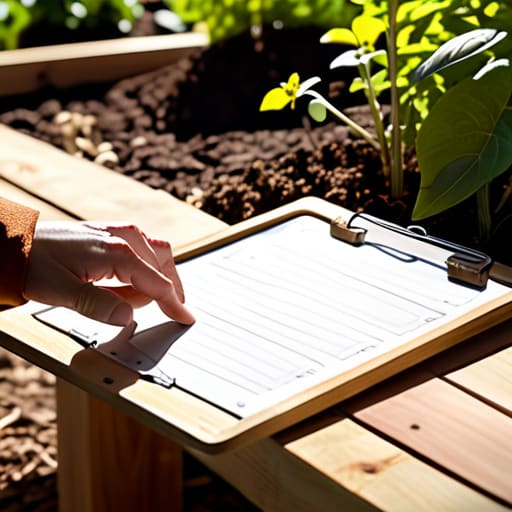
Now, I know “risk assessment” sounds like something meant for a boardroom full of lawyers, but for us, it’s really just about common sense. You don’t need a complicated risk assessment methodology to start; you just need to walk the site. If you’re planning a community garden day, don’t just look at the soil. Look at the uneven paving stones, the heavy bags of compost that might strain a volunteer’s back, or the way the sun hits that corner of the lot at noon. I’ve seen too many lovely projects grind to a halt because someone tripped over a rogue cable and ended up with a broken wrist.
When you sit down with your committee, try to be practical. You can use a simple likelihood and severity matrix—basically asking, “How likely is this to happen, and if it does, how much trouble are we in?” It’s not about being paranoid; it’s about protecting the people who give up their Saturday to help you. Once you’ve spotted the hazards, decide on your fix. Maybe it’s a first aid kit, or maybe it’s just moving a heavy table to a flatter patch of grass. That’s all it is.
Identifying Workplace Hazards Without Losing Your Momentum

Now, I know what you’re thinking. You’ve finally got the neighbours on board, the tea is brewing, and the moment you mention “identifying workplace hazards,” everyone starts looking for the nearest exit. It feels like a momentum killer. But I’ve seen too many wonderful garden projects collapse because someone tripped over a loose paving slab or a heavy planter fell on a toddler. You aren’t trying to build a fortress of bureaucracy; you are simply trying to make sure your hard work doesn’t end in a lawsuit or, worse, an injury.
Don’t get bogged down in complex safety management systems designed for multinational corporations. For a small group, you just need a practical approach. Grab a clipboard and walk the site. Look for the obvious—tripping hazards, trailing cables, or even weather conditions. If you find something, don’t just panic; start thinking about risk mitigation strategies that actually work for your budget. It’s about finding that balance where you address the real dangers without letting the paperwork suffocate the very spirit of why you started this group in the first place.
The Likelihood and Severity Matrix Measuring What Matters
Now, once you’ve spotted those hazards, you shouldn’t just treat them all as equal emergencies. If you do, you’ll spend all your energy worrying about a tripped rug while ignoring a faulty electrical socket. This is where a simple likelihood and severity matrix becomes your best friend. I used to see well-meaning groups freeze up because they felt overwhelmed by their list of problems. Instead of panicking, I want you to look at each hazard through two lenses: how likely is it to actually happen, and if it does, how much damage will it cause?
Think of it as a way to prioritise your energy. A small scratch from a garden tool is one thing; a heavy marquee collapsing in a gale is quite another. By using this basic risk assessment methodology, you can categorise your findings into a simple grid. You’ll quickly see that some risks are “low impact/low chance” and can be monitored, while others require immediate risk mitigation strategies before you even announce the event to the neighbours. It isn’t about being a bureaucrat; it’s about making sure your hard work doesn’t end in a preventable disaster.
Mastering a Risk Assessment Methodology for Real Impact
Now, once you’ve used that matrix to weigh up your risks, you need a way to actually manage them without drowning in paperwork. This is where a solid risk assessment methodology comes into play. I’ve seen too many lovely neighborhood projects fall apart because the committee spent all their energy worrying about a problem but forgot to decide on a solution. You don’t need a massive corporate safety manual; you just need a consistent way to track what you’ve found and, more importantly, what you intend to do about it.
The real secret lies in your risk mitigation strategies. For every high-priority hazard you’ve identified, write down one clear action that reduces the danger. If you’re organizing a street party, that might mean ensuring all electrical cables are covered or that a first-aid kit is physically present and checked. Don’t just list the danger—write down the fix. If you keep these notes simple and accessible, you aren’t just ticking a box; you are building a safety net that allows your group to actually get things done.
Smart Risk Mitigation Strategies to Protect Your Progress
Once you’ve used your likelihood and severity matrix to see where the real dangers lie, you shouldn’t just sit there staring at the paper. The goal isn’t to create a mountain of bureaucracy; it’s to find practical risk mitigation strategies that actually work in the real world. If you’ve identified that a community garden project might lead to trips on uneven ground, don’t just write “be careful.” Instead, decide to level the path or perhaps install a clear gravel border. It’s about finding that middle ground where you manage the danger without stifling the very joy that brought your group together in the first place.
I’ve seen so many lovely neighborhood initiatives fold because they tried to eliminate every single shred of risk. You can’t do that. Instead, focus on “control measures”—simple, repeatable actions that keep people safe. If you are running a street party, your mitigation might be as simple as ensuring all cables are taped down or that a first aid kit is sitting clearly on the main table. You don’t need complex safety management systems; you just need a sensible plan of action that everyone in your committee understands and follows.
Safety Management Systems and Practical Risk Assessment Template Examples
Now, I know that “safety management systems” sounds like something out of a corporate boardroom, something far too heavy for a group of neighbours trying to plant a community garden. But don’t let the jargon scare you off. At its heart, a system is just a way of making sure your safety checks don’t live in a single person’s head. If our treasurer, Mary, is the only one who knows where the first aid kit is kept, we don’t have a system; we have a single point of failure. You need a simple, shared way of recording what you’ve found and what you’ve decided to do about it.
When you sit down to actually draft your documents, don’t feel you need to reinvent the wheel. I’ve seen many a lovely project stumble because they spent three months trying to write a perfect manual instead of just using some basic risk assessment template examples found online. Whether it’s a simple table or a printed checklist, the goal is consistency. You want to be able to look back at your notes from last June and see exactly how you handled a trip hazard or a heavy lifting task. Keep it functional, keep it accessible, and keep it written down.
Five Hard-Won Lessons from the Front Lines of Community Projects
- Don’t just tick boxes to please an insurer; actually walk the site. If you’re planning a street party, walk the pavement yourself and look for that loose paving slab or the low-hanging branch that everyone else is walking past.
- Keep your paperwork simple enough that a busy volunteer can actually read it. If your risk assessment is twenty pages of jargon, nobody will look at it when a real problem crops up, and that’s when mistakes happen.
- Remember that “people” are often the biggest hazard. It’s not just about tripping over wires; it’s about making sure you have enough hands on deck so that one tired volunteer doesn’t end up making a silly mistake.
- Write down who is responsible for what. I’ve seen many a lovely community garden project fall apart because everyone thought someone else was checking the tool shed locks at night.
- Treat your risk assessment as a living document, not a chore to finish once. If the weather turns or a new person joins the committee, sit down for ten minutes and see if your plan still holds water.
## Why We Document the Danger
A risk assessment isn’t about filling out a form to satisfy a bureaucrat; it’s about making sure that when your group finally gets the green light to change your street, you don’t lose everything because you forgot to check who was responsible for the heavy lifting.
Deborah Castellanos
Final Thoughts Before You Get Moving
At the end of the day, a risk assessment isn’t about filling out a stack of paperwork just to tick a box for the council or your insurers. It is about having a clear, honest conversation with your committee about what you are actually doing. We have looked at how to spot the hazards, how to weigh up the severity of a mishap, and how to put those practical mitigation steps in place. If you take the time to document your thinking and use a simple template, you aren’t just being cautious; you are building a foundation. When you have a clear plan for what could go wrong, you stop being reactive and start being deliberate in your actions, which is exactly how a small group stays on track without getting sidelined by a preventable accident.
I have seen so many wonderful neighborhood projects wither away, not because the idea was bad, but because a single mishap caused a loss of confidence that the group couldn’t recover from. Don’t let that be your story. Use these tools to protect your vision and, more importantly, to protect the people who have volunteered their precious time to help you. A little bit of foresight goes a long way in ensuring your project becomes a lasting community asset rather than a cautionary tale. Now, stop worrying about the “what ifs” and get on with the work—you have a street to change.
