

I remember sitting in a drafty village hall three years ago, watching a lovely lady try to explain a complicated volunteer rota to six confused neighbours, only for the whole thing to fall apart by Tuesday because no one had actually written down who was bringing the bin bags. People often think that learning how to organise a litter pick requires a massive budget or a formal partnership with the council, but that is a complete myth. In my thirty years in local government, I’ve learned that you don’t need a grand strategy or a mountain of paperwork to make a difference; you just need a few sturdy pairs of gloves and a clear, written plan that everyone can actually follow.
In this guide, I’m going to strip away all the bureaucratic nonsense and give you the practical, boots-on-the-ground steps to get your street looking tidy. I’ll show you how to gather your small group, manage your supplies without losing your mind, and—most importantly—how to keep the momentum going so it doesn’t become a one-off event that everyone forgets about by next month.
Guide Overview
Tools & Supplies
- Litter pickers/grabbers for safe collection
- High-visibility vests for participant safety
- Heavy-duty gloves for hand protection
- Biodegradable bin bags (approx. 1 per 5 people)
- Hand sanitizer (2-3 large bottles)
- First aid kit (1 standard kit)
Step-by-Step Instructions
- 1. First, you need to find your people. I don’t mean a crowd—you don’t need a parade—but you do need a small, reliable core of four or five neighbours. I always say you should aim for a committee of six; it’s enough to share the load without becoming a bureaucratic nightmare. Once you have your small group, have a quick chat in someone’s kitchen to decide exactly which stretch of road or which corner of the park you’re tackling.
- 2. Next, you must get the official bit out of the way. You cannot simply wander into the streets with bags and assume everything is fine. You need to contact your local council to let them know your intentions. More importantly, you need to ask them about waste disposal arrangements. There is nothing more disheartening than a group of volunteers working hard only to leave twenty heavy bags of rubbish on a street corner because nobody arranged for a collection.
- 3. Now, let’s talk about the kit. You don’t need a massive budget, but you do need the right tools to keep everyone safe. You’ll need heavy-duty bin bags, a few pairs of sturdy gloves, and, if you can manage it, some litter pickers. If you’re asking people to chip in a few pounds, keep a simple record of every penny spent. I’ve seen too many lovely initiatives fall apart because the treasurer couldn’t account for the cost of the gloves.
- 4. Once you have your tools and your council permission, set a date and a very specific meeting point. I find that a Saturday morning works best, but do check the local weather forecast. Make sure you tell people to wear sensible footwear and bright clothing. It’s not just about being seen by cars; it’s about making sure no one trips over a curb or slips on something damp while they’re focused on the ground.
- 5. On the day itself, keep the actual “work” part simple. Assign one person to be the “marshal”—not a boss, mind you, just someone to keep an eye on things—and another to keep track of what’s being collected. It’s helpful to have a small tally of how many bags you’ve filled. It gives the group a real sense of tangible achievement when you see the pile growing.
- 6. Finally, and this is the part most people forget: write it down. After the bags are collected and everyone has gone home, sit down with your core group and spend ten minutes noting what worked and what didn’t. Did you run out of bags? Did the council show up on time? If you keep a simple log, you won’t have to reinvent the wheel when you decide to do it all again next season.
Understanding How to Organise a Litter Pick
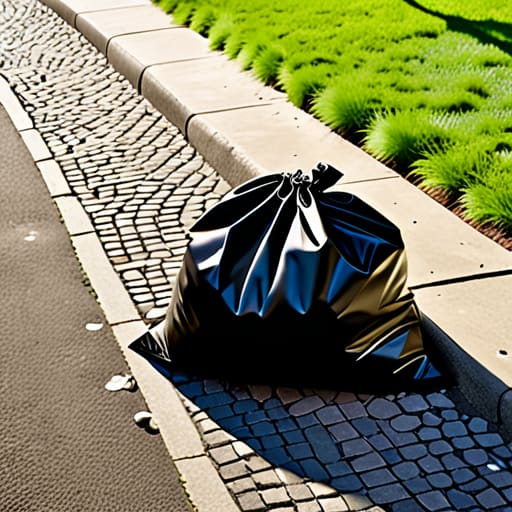
Before you grab the first bin bag, you need to think about the “why” and the “where.” In my years working in regeneration, I saw too many well-meaning groups vanish because they didn’t have a clear scope. Don’t try to tidy the whole ward in one Saturday; pick a specific stretch of pavement or a particular corner of the park. It’s much more satisfying for everyone to see a tangible result rather than feeling like you’ve only scratched the surface. I always suggest checking the local council litter pick guidelines first, as they often have specific rules about where you can leave the collected bags for collection.
Another thing people often overlook is the practical side of safety. It isn’t just about wearing gloves; you really need to establish some basic litter picking safety protocols from the outset. This means making sure everyone knows not to touch anything sharp or suspicious, and ensuring you have a first aid kit tucked away in a central spot. If you treat it with a bit of professional respect—even if it’s just six of us on a Tuesday morning—the neighbors will take it more seriously too.
Key Things to Know
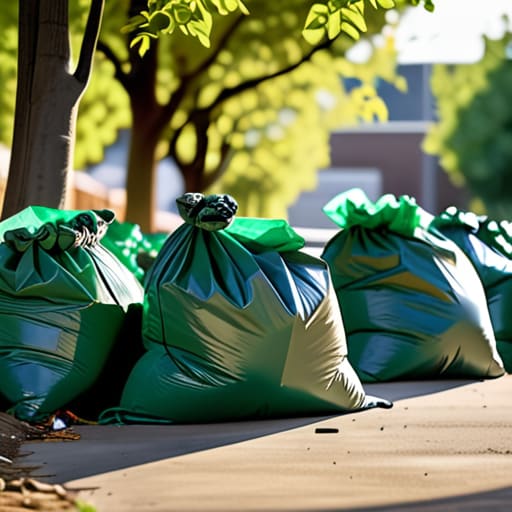
One thing I learned during my years in local government is that people often jump straight into the action without thinking about the “what ifs.” Before you even announce a date, you really must look into the local council litter pick guidelines. It’s not just about being polite; you need to know where the bags are actually going to go once they are full. There is nothing more disheartening than a group of volunteers working hard all morning, only to find the council hasn’t scheduled a collection, leaving the heavy bags to sit on the pavement and rot.
I also can’t stress enough the importance of setting clear litter picking safety protocols from the very start. You aren’t just picking up paper scraps; you’re dealing with broken glass and, occasionally, things much nastier. Make sure you have plenty of sturdy gloves and grabbers—investing in a few decent sets of eco-friendly cleanup supplies is much better than asking people to risk their hands. If you provide the right gear, people feel looked after, and they’re far more likely to show up for the next one.
Practical Tips and Steps

One thing I learned during my years in local government is that people are generally willing to help, but they are terrified of looking foolish or getting hurt. To keep your momentum going, you must have clear litter picking safety protocols in place. Don’t just hand out bags and hope for the best; make sure everyone has sturdy gloves and that you have a designated person watching for anything sharp or heavy. I always tell my neighbours that safety isn’t about being over-cautious, it’s about making sure everyone feels confident enough to come back for the next one.
I also suggest checking your local council litter pick guidelines before you even announce a date. Most councils are quite helpful and might even lend you high-vis vests or provide specific disposal instructions for the bags you collect. It saves a lot of heartache if you end up with ten bags of rubbish and no idea where they are supposed to go. If you handle the waste management for community events properly from the start, the whole operation feels much more professional and less like a bit of a muddle.
Five things I’ve learned from thirty years of community work
- Don’t try to do it all yourself. I’ve seen many a good idea fizzle out because one person took on the weight of the world. Find four or five others to share the load—one person handles the bin collection, another handles the tea and biscuits, and someone else keeps a record of what was found.
- Keep a proper paper trail. It sounds dry, but trust me, it matters. Write down who showed up, what equipment you used, and how much rubbish you actually cleared. If you want to ask the council for a grant next year, you’ll need more than just a “feeling” that you did a good job; you’ll need the facts.
- Sort your rubbish as you go. It’s much more satisfying to see a bag of recyclables than a mountain of mixed waste. If you can separate the plastics and cans from the general rubbish, you’re not just cleaning the street; you’re actually being responsible about where it all ends up.
- Safety isn’t optional, even if it feels a bit fussy. Make sure everyone has sturdy gloves and high-visibility vests. I once saw a group trying to work in old gardening gloves, and it was a recipe for disaster. You want people to come back next time, not nursing a scratched hand.
- The “after” is just as important as the “during.” Always end with a bit of a social. Whether it’s a thermos of tea on a street corner or a quick gathering at the local hall, that bit of connection is what turns a one-off chore into a real neighbourhood group.
The Secret to Making it Stick
“A litter pick isn’t just about the bags of rubbish you collect on a Saturday morning; it’s about the minutes you take during the debrief. If you don’t write down who showed up, what tools broke, and who actually held the heavy bags, you aren’t starting a community movement—you’re just having a one-off tidy-up.”
Deborah Castellanos
A Final Word on Getting Started
At the end of the day, a successful litter pick isn’t about having a massive budget or a fleet of council vehicles; it is about the basics. You need your small committee, a clear plan for where the bags go, and the right equipment to keep everyone safe. If you remember to document your process—even just a simple list of who brought what and which bin was used—you won’t have to start from scratch next time. It is much easier to keep a momentum going when you have a little bit of written history to look back on.
I have seen many wonderful neighbourhood projects fizzle out simply because the initial excitement ran out and nobody knew what the next step was. Don’t let that be your story. This litter pick is just the beginning of something much larger for your street. Once people see you out there, working together and taking pride in your shared space, you’ll find that the community starts to grow in ways you hadn’t expected. It only takes a few dedicated souls to spark a change, and I truly believe that your small group is more than capable of making it happen.
